-
 Eco-Friendly Fabric Guide: Best Materials for Custom Apparel
As sustainability reshapes the fashion industry, more brands are rethinking their material choices, especially in the custom apparel space. From startups to established labels, eco-conscious clothing is no longer a niche trend but a business imperative. Whether you're designing made-to-order pieces or launching a full clothing line, understanding what materials are environmentally friendly is the first step toward building a responsible, future-proof brand. This guide explores the most popular eco-friendly fabrics for clothing, how to assess their true sustainability, and how they fit into a modern apparel business.
Why Sustainable Fabrics Matter in Custom Apparel
In today’s fashion landscape, sustainable fashion materials are no longer optional—they are essential. Consumers are increasingly aware of the environmental impact of clothing production and are demanding transparency and responsibility from brands. For custom apparel makers, incorporating eco-friendly clothing materials is not just about ethics; it’s a strategic move to align with market expectations, elevate brand value, and differentiate in a crowded space.
Conventional fabrics such as traditional cotton and polyester come with high environmental costs. From excessive water use in cotton farming to the carbon footprint of synthetic fiber production, the clothing industry has long been a top contributor to pollution and waste. In contrast, switching to eco-friendly fabrics for clothing reduces greenhouse gas emissions, preserves water resources, and promotes biodiversity.
What Makes a Fabric Eco-Friendly?
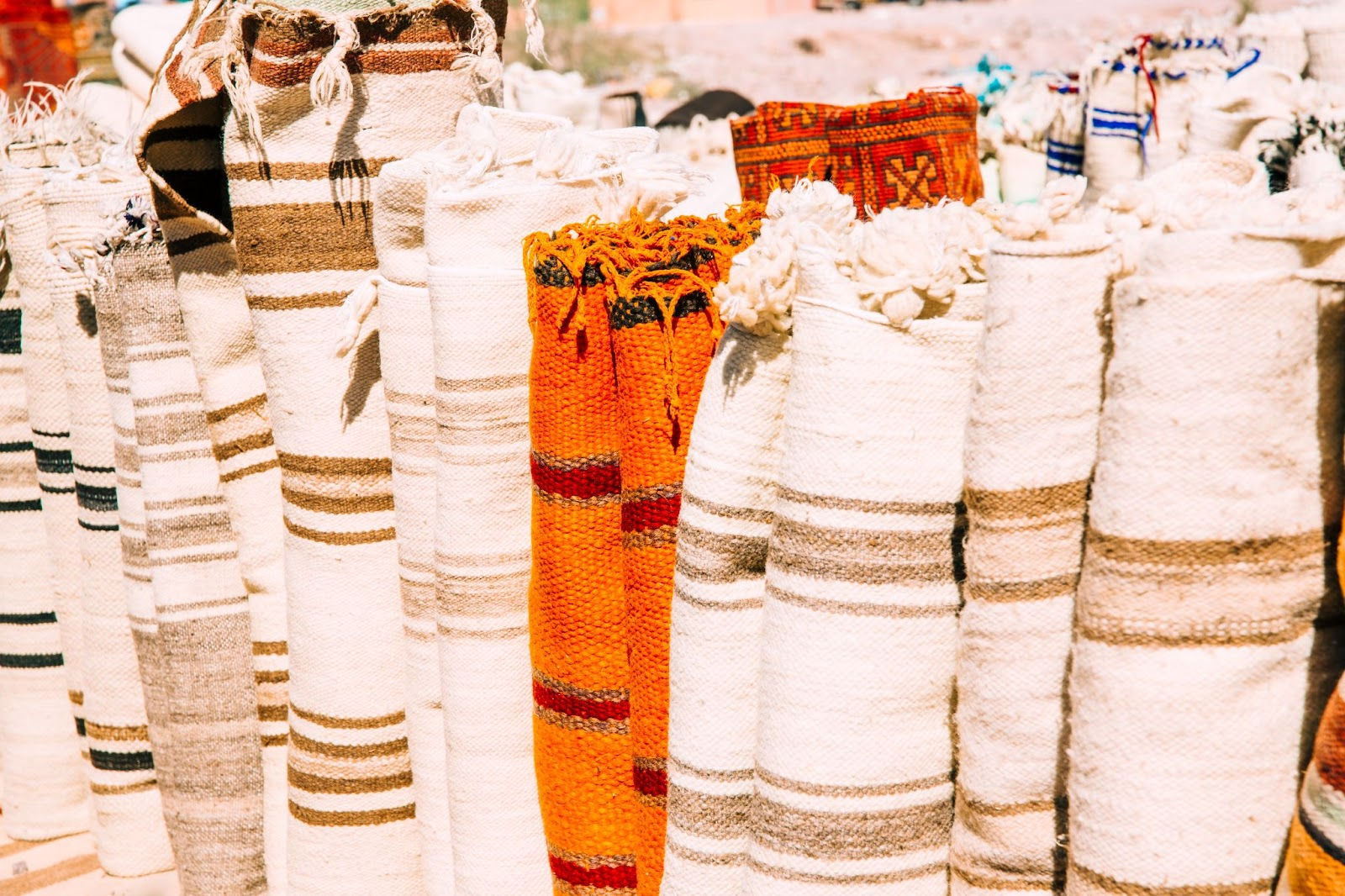
Not all "green" claims are created equal. To truly qualify as eco-friendly textile materials, fabrics must meet several criteria:
· Sustainable Sourcing: Raw materials should be grown or harvested using organic farming practices, renewable resources, or recycling methods.
· Low-Impact Processing: Production should minimize energy consumption, water use, and chemical inputs. Eco-friendly fabric clothing is often dyed using non-toxic, water-efficient methods.
· Durability and Biodegradability: The longer a garment lasts, the less often it needs to be replaced. Biodegradable materials reduce landfill waste at the end of a garment's life.
· Certifications: Look for labels such as GOTS (Global Organic Textile Standard), OEKO-TEX®, Bluesign®, and GRS (Global Recycled Standard) to confirm a fabric’s sustainability credentials.

How to Identify Truly Eco-Friendly Fabrics
Understanding labels and supplier claims is critical when sourcing sustainable materials for clothing. Here’s how to distinguish genuinely eco-friendly fabrics from marketing hype:
Look for Certified Sustainability Labels
o GOTS: Verifies organic content and responsible manufacturing.
o OEKO-TEX®: Ensures the fabric is free from harmful chemicals.
o Bluesign®: Confirms safe and resource-efficient processes.
o GRS: Validates the use of recycled materials.
Ask About the Supply Chain
o Where is the material sourced?
o Are fair labor and environmental practices upheld?
o Is the fiber grown locally to reduce transport emissions?
Investigate Processing Methods
o Fabrics that use closed-loop processing, enzyme-based finishing, or waterless dyeing are preferable.
o Be cautious with bamboo and viscose, which may sound sustainable but often involve toxic chemical processing.
Verify Supplier Claims
o Request technical data sheets, test reports, and certification documents.
o Be skeptical of vague claims like "eco" or "natural" without verification.
Consider End-of-Life Impact
o Is the fabric biodegradable, compostable, or recyclable?
o Does it break down safely or release microplastics?
Top Eco-Friendly Fabrics for Custom Clothing
Fabric Type Raw Source Certifications Ideal Use Cases Key Benefits Organic Cotton Organic cotton GOTS T-shirts, babywear Breathable, soft, pesticide-free Recycled Polyester PET bottles GRS Activewear, jackets Strong, moisture-wicking Hemp Hemp plant Organic/Natural Casual, eco-luxury wear Durable, low water use, pest-free TENCEL(Lyocell) Wood pulp FSC, OEKO-TEX Dresses, basics, yoga Biodegradable, soft, closed-loop Bamboo Lyocell Bamboo OEKO-TEX, FSC Undergarments, loungewear Ultra-soft, breathable Organic Cotton
A popular eco-friendly clothing material, organic cotton is known for comfort and purity. Ideal for essentials and babywear.
Recycled Polyester (rPET)
Derived from plastic bottles, this fabric supports recycling and is perfect for moisture-wicking apparel.
Hemp
Naturally pest-resistant and water-efficient, hemp offers rugged durability and breathability for modern clothing.
TENCEL™ (Lyocell)
Made using a closed-loop process, TENCEL is soft, sustainable, and perfect for both casual and performance garments.
Bamboo Lyocell
Mechanically processed bamboo yields ultra-soft, breathable fabric ideal for intimate wear and loungewear.
Common Misconceptions About Eco Fabrics
Despite growing awareness of sustainable fashion, several myths continue to cloud decision-making for both consumers and apparel brands. Here are a few common misconceptions—and the facts that challenge them:
“Eco-friendly fabrics are always more expensive.”
While it’s true that some sustainable materials come with higher upfront costs due to ethical sourcing and certification, they often offer better long-term value. Their superior durability can reduce replacement cycles, while their reduced environmental footprint may also help brands avoid future regulatory penalties or reputational risks.“Organic cotton is always the best choice.”
Organic cotton is widely celebrated, but it’s not a one-size-fits-all solution. It still requires significant water resources and may not be ideal for all garment types. In many cases, alternatives like hemp, which requires less water and grows faster, or TENCEL™, which uses closed-loop processing, offer a more sustainable profile for certain applications.“Recycled fabrics are low quality.”
This myth stems from early iterations of recycled polyester and other repurposed fibers, which sometimes lacked consistency. Today, modern technologies allow recycled fabrics to meet—and even exceed—the performance, feel, and appearance of virgin materials. Many leading sportswear and luxury brands now integrate high-grade recycled materials seamlessly into their collections.
How to Choose the Right Sustainable Fabric for Your Apparel Line
When selecting eco-friendly textile materials for your custom clothing line, it’s important to take a strategic and holistic approach. Whether you're an independent designer or working with custom clothing manufacturers, the fabric you choose must align with your design intent, customer expectations, and production capabilities. Here are several key considerations:
· Fabric Function vs. Garment Type
Choose materials that suit the purpose of the garment. For instance, activewear requires moisture-wicking and stretch; outerwear may need durability and wind resistance; undergarments need softness and breathability.· Feel and Aesthetics
Texture, drape, sheen, and color absorption vary widely among sustainable fabrics. Hemp has a rustic texture, while TENCEL™ is luxuriously smooth. Match the material's look and feel to your brand style and customer preferences.· MOQ and Cost
Understand your production scale. Some eco-fabrics require high minimum order quantities (MOQs), while others are available for small-batch or made-to-order operations. Balance cost-effectiveness with sustainability goals.· Supplier Reputation
Work with suppliers who offer full transparency in their sourcing and manufacturing practices. Request certifications, audit reports, or third-party verifications. A reliable supplier should be able to demonstrate ethical labor practices and environmental responsibility.
Emerging Trends in Sustainable Fabric Technology
The world of sustainable fashion is evolving quickly, with cutting-edge innovations reshaping how materials are designed, tracked, and reused. Here are some of the most promising developments to watch:
Bio-Based Textiles
These fabrics are created from renewable biological sources like seaweed, orange peels, corn, or algae. Examples include SeaCell™ (seaweed-based fiber), Orange Fiber (derived from citrus waste), and Bananatex®. They reduce dependency on fossil fuels and often biodegrade more easily than their synthetic counterparts.Smart Eco-Fabrics
These are sustainable materials enhanced with functional properties such as temperature regulation, moisture management, or antibacterial effects. For instance, some fabrics are infused with natural minerals or plant-based treatments that reduce odor or adjust to body heat, ideal for performance wear.Blockchain Traceability
To combat greenwashing, some brands are adopting blockchain technology to offer transparent, tamper-proof tracking of each step in the supply chain. Customers can verify where the fabric was sourced, how it was processed, and whether fair labor standards were upheld.Circular Design
Instead of planning for disposal, circular fashion considers what happens to a product at end-of-life. Fabrics are now being engineered to be easily disassembled, recycled into new yarns, or composted without harming the environment—creating a closed-loop system that minimizes waste.Frequently Asked Questions
Q1: Which eco-friendly fabric is best for activewear?
TENCEL™ and recycled polyester (rPET) are excellent options. TENCEL offers natural breathability, moisture control, and a soft feel, making it ideal for yoga and casual activewear. rPET is more suitable for high-performance or technical garments due to its strength and moisture-wicking ability. Blended fabrics combining both are also gaining popularity.Q2: Are sustainable fabrics machine-washable?
Yes—most eco-friendly fabrics are just as durable and washable as conventional ones. For example, organic cotton, hemp, and TENCEL can handle regular laundering. However, always follow care label instructions to maintain longevity, and consider using laundry bags for recycled polyester to reduce microplastic shedding.Q3: How do I verify a supplier’s sustainability claims?
Ask for official certifications like GOTS, OEKO-TEX®, Bluesign®, or GRS. Reputable suppliers should also be able to provide technical data sheets (TDS), audit reports, or environmental compliance documents. Transparency is key—be cautious of vague or unsubstantiated eco-friendly claims.Q4: Can small brands afford to use sustainable materials?
Absolutely. Many fabric suppliers now offer low-MOQ (minimum order quantity) options to support emerging brands. Starting with a capsule collection, using deadstock fabrics, or sourcing from certified small-batch mills can all reduce upfront investment while still aligning with sustainable values.MORE 2025-07-02 -
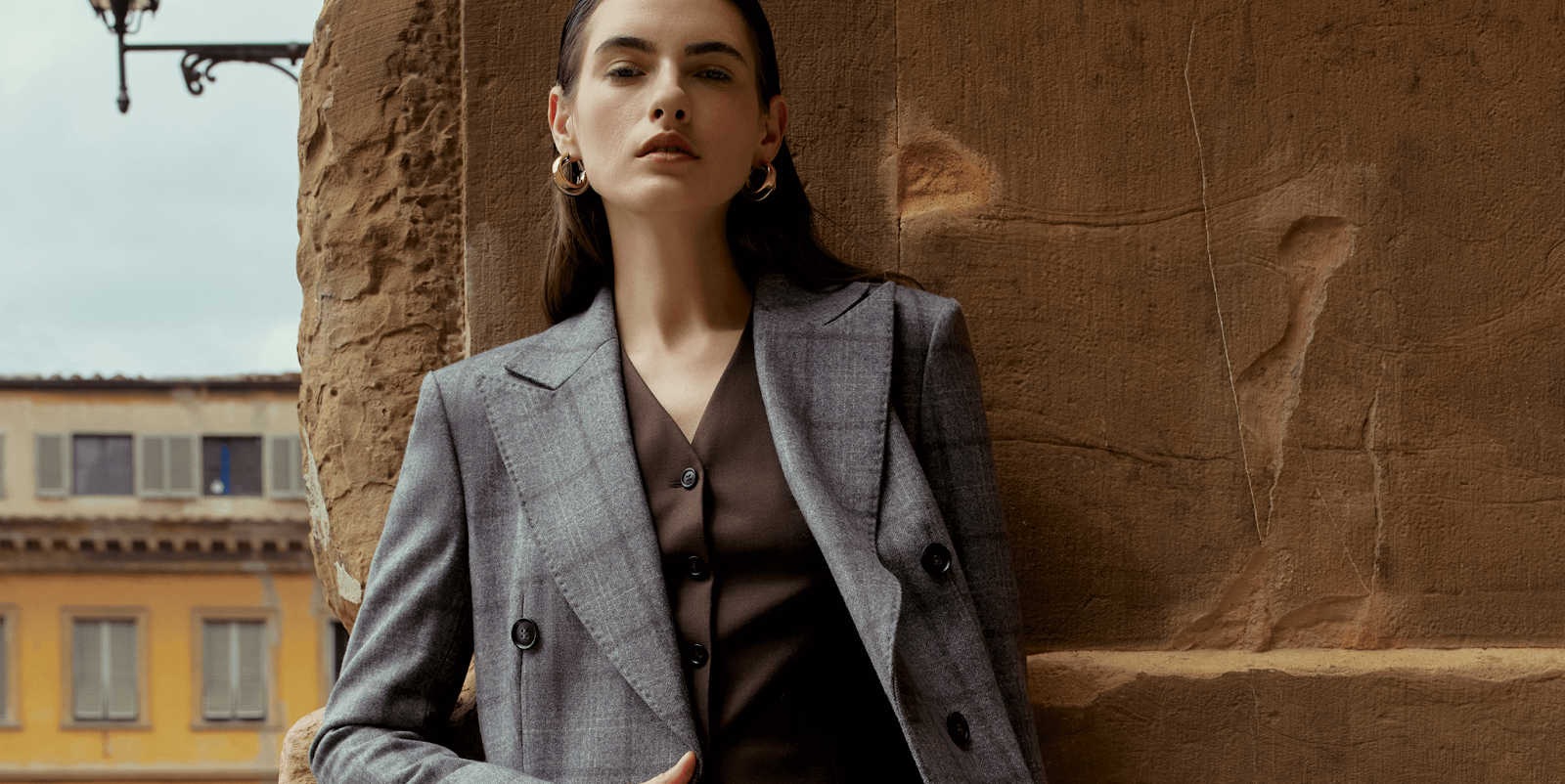 The Ultimate Guide to Clothing Photography: Capturing Stunning Apparel Shots
In today’s fast-paced digital world, your clothing brand’s first impression often starts with an image. Whether you're selling apparel online or curating a fashion portfolio, high-quality clothing photography is no longer optional—it’s essential. This guide breaks down everything you need to know about photographing clothing, from gear and lighting to creative styling and post-production.
Why Clothing Photography Matters
Images do more than show a product—they build trust, convey quality, and shape brand perception. According to industry research, high-quality product photos can increase e-commerce conversions by up to 30% and drastically reduce return rates.
But beyond e-commerce, great clothing photography serves many roles:
· Storytelling: It visually defines your brand identity—minimalist, edgy, vintage, etc.
· Platform versatility: One shoot can produce images for your website, ads, email campaigns, and social media content.
· Emotional connection: Lifestyle and detail shots help customers imagine themselves in your clothes, creating aspirational appeal.
Essential Equipment for Clothing Photography
You don’t need a Hollywood budget to take stunning clothing photos, but the right tools make a difference. Here’s what you’ll need:
· Camera and Lenses: A DSLR or mirrorless camera with at least 16 megapixels is ideal for sharp, detailed shots. For beginners, a modern smartphone with a high-resolution camera can work wonders. Pair it with a 50mm or 85mm lens for crisp focus and a flattering depth of field.
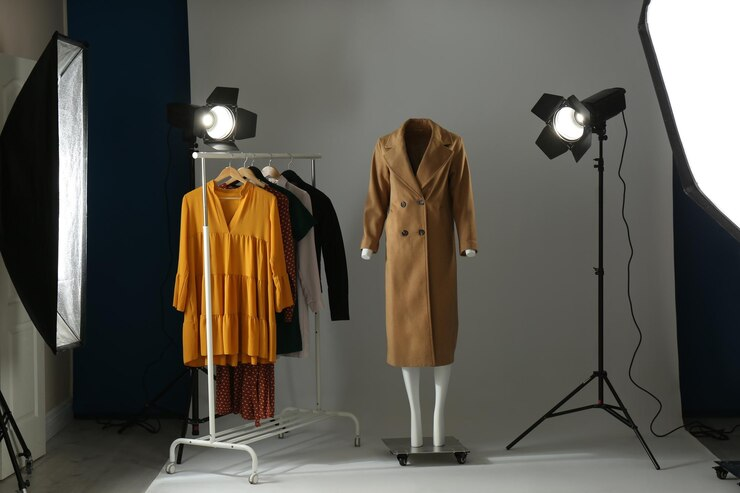
· Lighting: Soft, diffused light is your best friend to avoid harsh shadows. Invest in a softbox or ring light for consistent results, or use natural light from a window for budget setups. Two lights positioned at 45-degree angles work well for most shots.
· Backdrop: A seamless white or light gray backdrop keeps the focus on the clothing and is perfect for e-commerce. For lifestyle shots, try textured or colored backdrops like wood or brick.
· Mannequins or Models: Mannequins offer consistency and are great for the “invisible hanger” effect, while models bring life and context to your shots. Choose based on your brand’s needs.
· Additional Tools: A sturdy tripod prevents shaky shots, reflectors bounce light to fill shadows, and clamps or tape help secure flat-lay setups.
Setting Up Your Clothing Photography Studio
You don’t need a fancy studio to get started—any clean, well-lit space will do. Here’s how to set up:
· Choose Your Space: Pick a room with ample space to move around and access to natural light or power outlets. A spare bedroom or garage corner works fine.
· Prep the Clothing: Steam or iron every garment to remove wrinkles. Pin or tuck fabric to highlight fit and details, like a jacket’s collar or a skirt’s pleats.
· Set Up Lighting: For artificial light, place two softboxes at 45-degree angles to the clothing for even coverage. If using natural light, shoot near a large window with sheer curtains to diffuse harsh rays.
· Arrange the Backdrop: Hang a seamless backdrop or tape it to a wall for a clean look. For lifestyle shots, add props like plants or chairs to create a scene, but keep them subtle to avoid stealing focus.
Techniques for Photographing Clothing
Once you’ve mastered the gear and setup, it’s time to bring your clothing to life through effective photography techniques. Whether you're aiming for simple product shots or expressive lifestyle images, each approach serves a purpose in building your brand’s visual language.
1. Flat-Lay Photography
Perfect for beginners and budget-conscious brands, flat-lay photography involves laying garments flat on a clean surface. Use a white foam board or seamless paper background, style the clothing symmetrically, and shoot directly overhead. This method is ideal for accessories, t-shirts, and social media content.
2. Mannequin or “Ghost Mannequin” Shots
To add a 3D sense without using live models, dress your garments on mannequins. For a high-end e-commerce look, you can create the invisible mannequin effect by photographing the item on a form and removing the mannequin in post-production. This keeps the focus entirely on fit and construction.
3. Model Photography
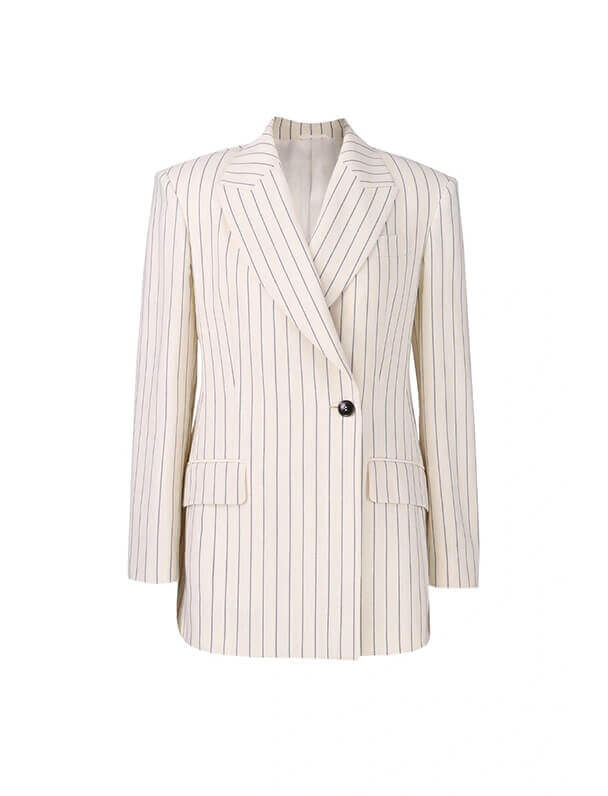
Models introduce motion, lifestyle, and relatability. Have them pose naturally—walking, sitting, or interacting with the environment—to show how the clothing moves and fits in real-life scenarios. Candid moments often feel the most authentic.
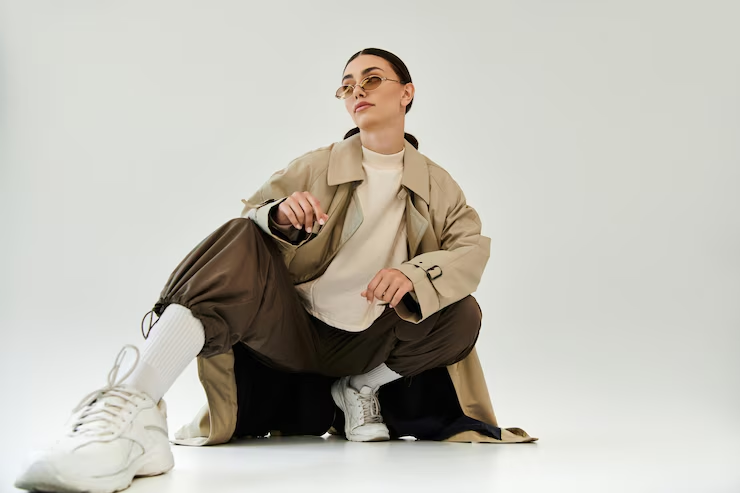
4. Motion Shots
Want to show off flowing fabrics or sporty fits? Ask your model to move—twirl, jump, or walk toward the camera. Capture in burst mode to freeze dynamic movement and add energy to your shots.
5. Hybrid Shots
A creative fusion between flat-lay and ghost mannequin techniques, hybrid photography involves hanging or lightly propping the garment and then editing out the supports. It's especially useful for structured pieces like coats or shirts, providing both shape and style.
6. 360-Degree Spins
For e-commerce sites aiming to improve customer interaction, a rotating turntable setup lets you shoot products from all angles. You can create GIFs or interactive 3D viewers that boost buyer confidence.
7. Backlit Silhouettes
To highlight the texture or transparency of fabrics like chiffon or lace, use a soft light source (like a large window or softbox) from behind the garment. This high-key effect creates an editorial feel and elevates lightweight designs.
Visual Storytelling & Branding Through Photography
Once your technical shots are ready, it’s time to align your imagery with your brand identity. Ask yourself: What emotion, lifestyle, or value do I want my audience to feel when they see this image?
· Styling props: Use chairs, bags, books, or coffee mugs sparingly to enhance a vibe without overwhelming the garment.
· Color theory: Match or contrast background and props using complementary color wheels. For example, dusty pink clothes pop against sage green backdrops.
· Model diversity: Feature models of various body types and ethnicities. Customers are more likely to convert when they see themselves represented.
If you're working with custom apparel suppliers, ensure your images reflect the uniqueness of your product line—tailored fits, personalized designs, or niche fashion touches should be visually emphasized.
Creative Clothing Photography Ideas
Stand out with photos that pop. Try these creative approaches:
· Lifestyle Shots: Place your clothing in real-world settings, like a cozy café or a sunny park, to make them relatable. A model wearing your sweater while sipping coffee tells a story that resonates.
· Detail Shots: Zoom in on unique features like embroidery, buttons, or fabric texture. These close-ups build trust by showing quality craftsmanship.
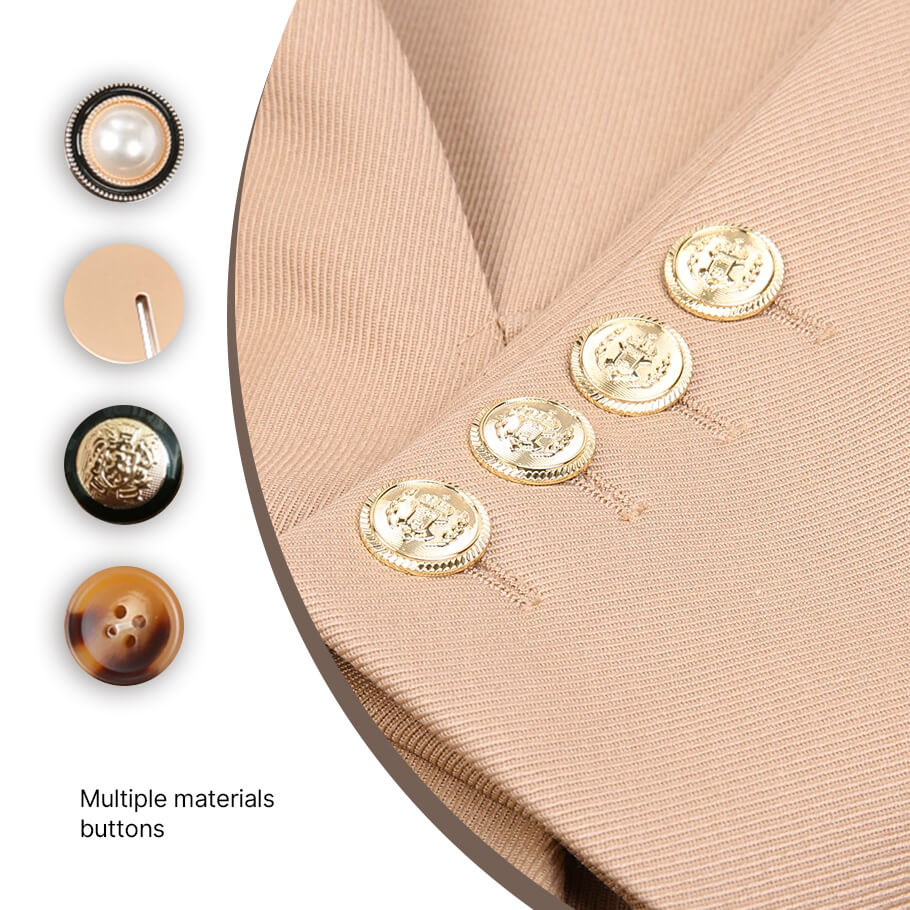
· Themed Shoots: Create a mood with seasonal or brand-specific themes. For example, a fall collection might feature warm tones and leaf-strewn backgrounds, while a minimalist brand could use stark white spaces.
· Dynamic Angles: Mix up your shots with top-down, 45-degree, or low-angle perspectives. A low-angle shot of a flowing dress can add drama.
· Color and Composition: Pair clothing with complementary backgrounds or props. A red dress against a soft green wall creates a striking contrast without overwhelming the product.
· Photography is especially important when you sell made to measure clothes online, as customers rely entirely on images to assess fit, style, and quality. Highlight details like tailored seams, fabric drape, and model measurements whenever possible.
Editing and Post-Production
Editing polishes your photos for a professional finish. Here’s how to do it right:
· Basic Adjustments: Use Adobe Lightroom, Photoshop, or free apps like Snapseed to tweak brightness, contrast, and saturation. Ensure colors match the actual garment to avoid customer complaints.
· Remove Backgrounds: For e-commerce, create a clean white or transparent background using tools like Photoshop or Canva. This keeps your product images consistent and distraction-free.
· Enhance Details: Sharpen images slightly to highlight textures, and fix minor flaws like lint or stray threads.
· Maintain Consistency: Apply the same editing preset to all photos for a cohesive look across your website or Instagram feed.
Common Mistakes to Avoid
Even pros make mistakes, but you can dodge these pitfalls:
· Poor Lighting: Harsh or uneven light creates unflattering shadows. Always diffuse your light source.
· Wrinkled Clothing: A single crease can make a product look cheap. Steam or iron every piece before shooting.
· Inconsistent Backgrounds: Varying backdrops confuse customers. Stick to one style for product shots.
· Over-Editing: Heavy filters or unrealistic edits can misrepresent the clothing, leading to returns. Keep it natural.
Conclusion
Great clothing photography isn’t about luck—it’s about preparation, experimentation, and consistency. Whether you're starting small or managing a full apparel catalog, your visual content can become your strongest sales asset.
Remember:
· Shoot in batches for efficiency.
· Plan ahead with a creative direction.
· Let your brand identity guide every choice—from angles to editing.
Ready to elevate your apparel imagery? Then grab your tripod, light up that backdrop, and start telling your brand’s story one shot at a time.
MORE 2025-06-18 -
 Understanding the Clothing Production Process and Timelines
Whether you're launching a fashion brand or simply curious about how garments go from a sketch to store shelves, understanding the clothing production process reveals the intricate steps behind every piece we wear. From design ideation to manufacturing timelines, this guide walks you through each phase—so you can plan smarter, avoid costly delays, and bring your collection to life efficiently.
Overview of the Clothing Production Process
Fashion production is the end-to-end process of turning a designer's vision into a tangible product ready for consumers. It involves multiple stages, broadly categorized into pre-production (ideation, design, and sourcing), production (manufacturing and assembly), and post-production (quality control and distribution). Each phase requires meticulous planning to meet deadlines, maintain quality, and align with market demands. Timelines can vary widely depending on the scale of production, sourcing choices, and technological tools.
Key Stages in the Clothing Production Process
I. Ideation & Concept Development
Every great garment starts with a strong idea. In this initial phase, designers translate creative visions into workable concepts by conducting trend research, analyzing competitor lines, and building mood boards.
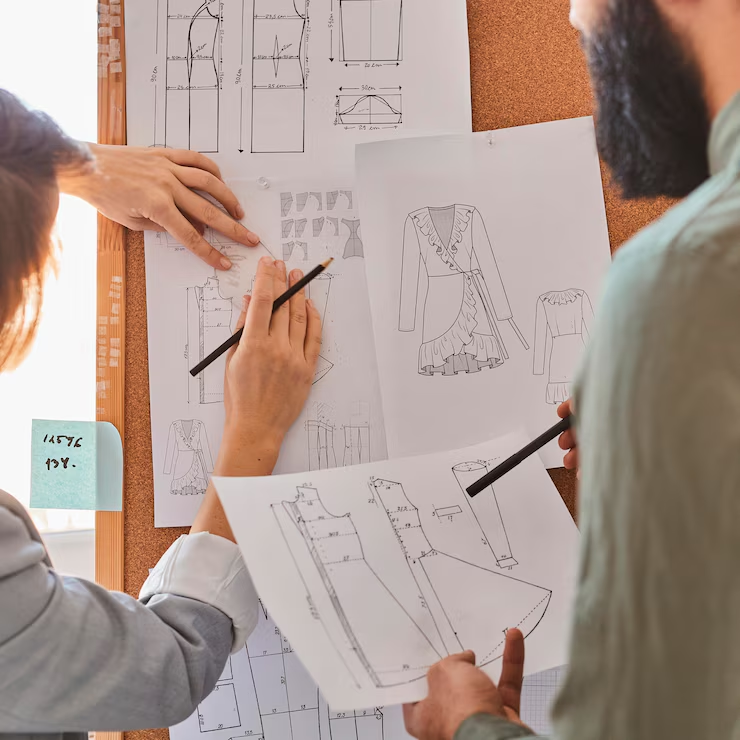
Once the design direction is clear, color palettes and silhouettes are established. Most importantly, a technical package (tech pack) is developed. This blueprint includes garment sketches, measurements, material specs, and construction notes. A well-prepared tech pack is essential for clear communication with manufacturers and typically takes 1–2 weeks to finalize.
II. Sampling & Technical Design
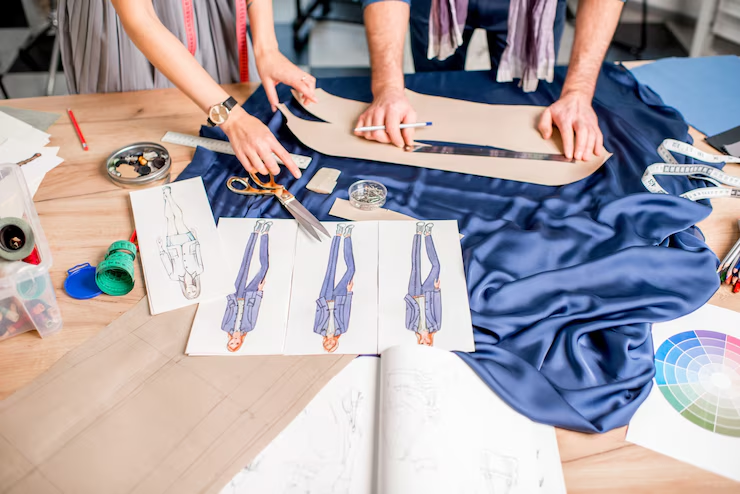
Next comes sampling—the stage where concepts take physical form. Pattern makers interpret the tech pack to draft the first patterns, which are then used to produce the initial garment sample.
This sample undergoes multiple fit tests and revisions to refine proportions, adjust functionality, and perfect aesthetic details. It's a back-and-forth process between designers and technicians, often requiring 2–4 weeks depending on complexity. At the end of this phase, the garment is production-ready in both form and function.
III. Sourcing & Pre-Production
Sourcing involves selecting and securing fabrics, trims, zippers, labels, and any custom hardware. For those working with custom apparel suppliers, it's essential to ensure that material specs and delivery timelines are aligned early on—delays in material delivery can derail your entire production schedule.
Suppliers are contacted, minimum order quantities (MOQs) are reviewed, and sample yardage may be tested before final orders are placed. At the same time, factories are booked for pre-production planning, which includes small-batch test runs to validate quality and workflow. This phase usually takes 1–3 weeks, though custom material sourcing can take longer.
IV. Bulk Production
Now the real manufacturing begins. After materials are received and approved, production lines kick off the bulk process:
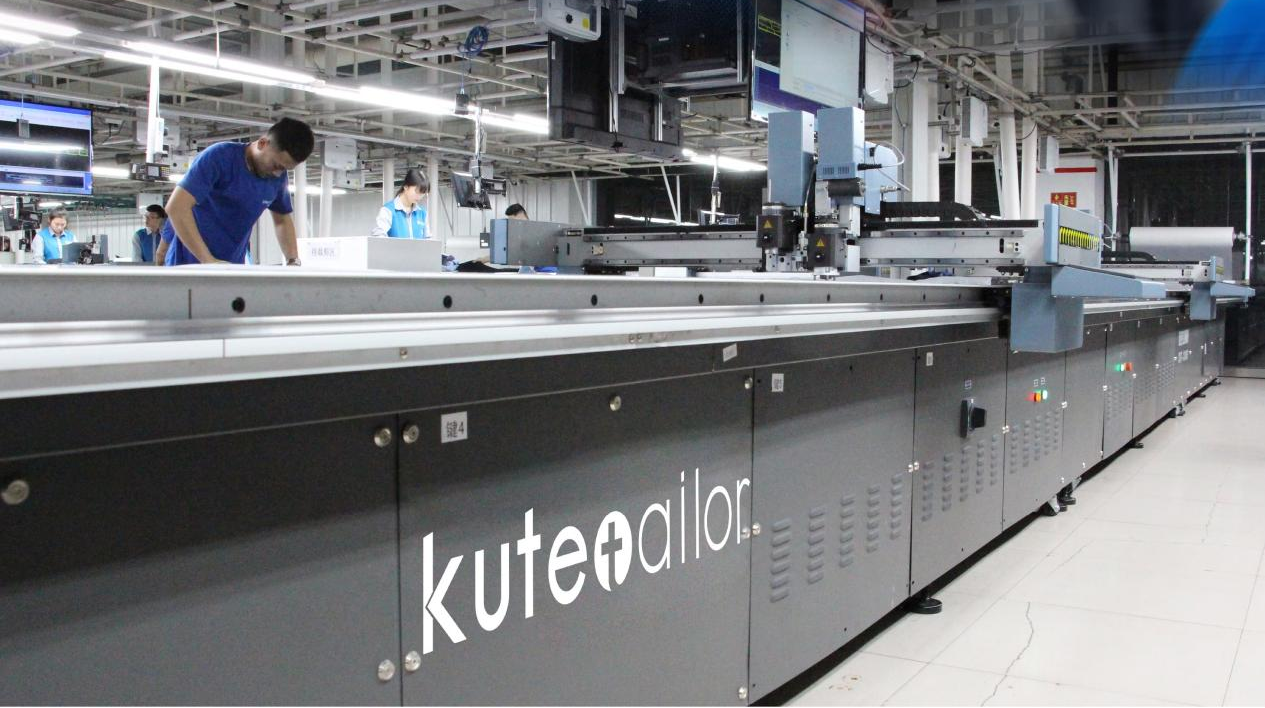
· Cutting: Fabrics are layered and precision-cut based on approved patterns.
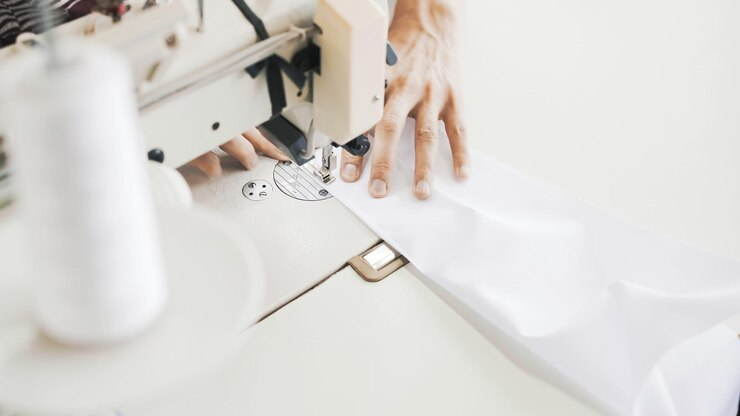
· Sewing: Skilled operators or semi-automated machines stitch each garment.
· Finishing: Labels, tags, and final trims are applied.
Depending on volume and factory efficiency, manufacturing timelines can range from 2 to 8 weeks, with fast fashion brands often pushing for faster outputs. Fast fashion brands may push production through in 3–4 weeks, while luxury or made-to-order items often require longer lead times.
V. Quality Control & Finishing
Quality control (QC) ensures that each garment meets your brand's standards. Factories conduct inspections at multiple stages—post-cutting, post-sewing, and before packaging. Garments are checked for sizing accuracy, stitching consistency, and material defects.
Finishing touches include ironing, packaging, and sometimes special treatments like soft washing or wrinkle resistance. QC is a critical safeguard, preventing defects from reaching customers and damaging your brand.
VI. Packaging, Logistics & Distribution
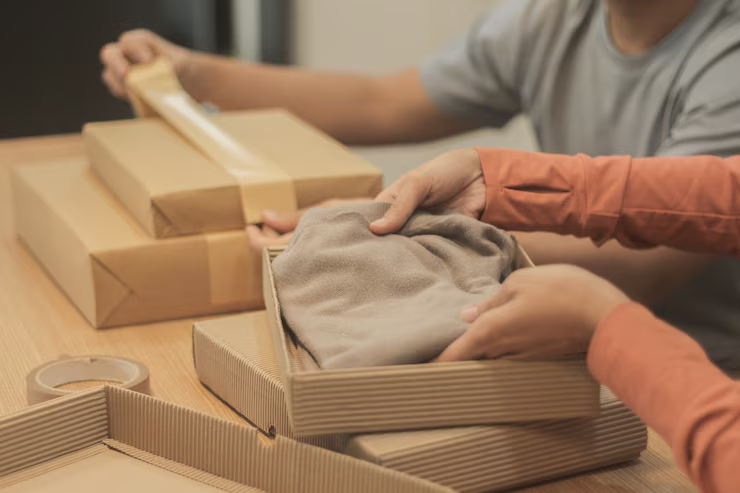
Once garments pass inspection, they are folded, tagged, and packed for shipment. Packaging design must balance aesthetics, durability, and sustainability.
Shipping logistics vary depending on destination and budget—options range from sea freight (slow, affordable) to air express (fast, expensive). Upon arrival at distribution centers or retail outlets, garments are prepped for sale, either online or in physical stores.
VII. Timelines Overview: How Long Does It All Take?
While fashion production timelines vary based on complexity and supplier location, here’s a general breakdown:
Stage Estimated Time Design & Tech Pack 1–2 weeks Sampling & Fitting 2–4 weeks Sourcing & Pre-Production 1–3 weeks Bulk Manufacturing 2–8 weeks QC & Finishing 1–2 weeks Logistics & Distribution 1–3 weeks In total, a production cycle can take 2 to 4 months—or longer for custom or luxury lines.
Why Timelines Matter: Speed, Cost & Brand Impact
Timely production isn't just about getting products ready—it's a core part of your brand strategy. Delays can lead to missed seasonal launches, excess inventory, or loss of market momentum. Fast production supports trend responsiveness but often increases cost. Meanwhile, longer timelines may lower per-unit costs but require better forecasting and storage capacity. Balancing time and budget is crucial to brand success.
Strategies for Optimizing Production Timelines
To navigate the complexities of clothing production, effective strategies can make all the difference:
· Comprehensive Planning: Create detailed production plans that outline each stage, from design to delivery, to keep the process on track.
· Reliable Partnerships: Collaborate with trusted suppliers and manufacturers to minimize delays and ensure quality.
· Leveraging Technology: Use digital tools like 3D design software or production management platforms to streamline workflows and reduce errors.
· Realistic Deadlines: Set achievable timelines with buffer periods to account for unexpected challenges, such as material shortages or production delays.
· Clear Communication: Maintain open lines of communication with all stakeholders—designers, suppliers, and factories—to ensure smooth handovers and quick problem-solving.
Conclusion
The clothing production process is a fascinating blend of creativity, logistics, and precision, with timelines typically ranging from 6 to 12 months. By understanding each stage—from ideation to distribution—aspiring designers and entrepreneurs can better navigate the complexities of fashion manufacturing. Embracing technology, building strong partnerships, and planning meticulously can streamline the process, helping bring collections to market efficiently. Whether you’re launching a new clothing line, offering made to measure clothes online, or simply curious about the industry, dive into the world of clothing development with confidence, and explore resources or consult professionals to turn your vision into reality.
FAQs
Q1: What is the typical clothing production process from start to finish?
A1: The clothing production process typically includes ideation, technical design, sourcing materials, sample making, bulk manufacturing, quality control, and distribution. Each stage plays a critical role in turning a concept into a market-ready product.Q2: How long does the full clothing production timeline take?
A2: Production timelines can range from 2 to 6 months depending on design complexity, order volume, and supply chain efficiency. Fast fashion may take 4–6 weeks, while luxury or custom pieces may take much longer.Q3: What affects manufacturing timelines in fashion production?
A3: Manufacturing timelines are influenced by fabric availability, factory capacity, the number of SKUs, and production method (e.g., made-to-order vs bulk). Planning ahead and maintaining strong supplier relationships can help prevent delays.MORE 2025-06-17 -
 Carbon Footprint in Apparel: How Custom Clothing Can Lower It
What Is a Carbon Footprint in Apparel?
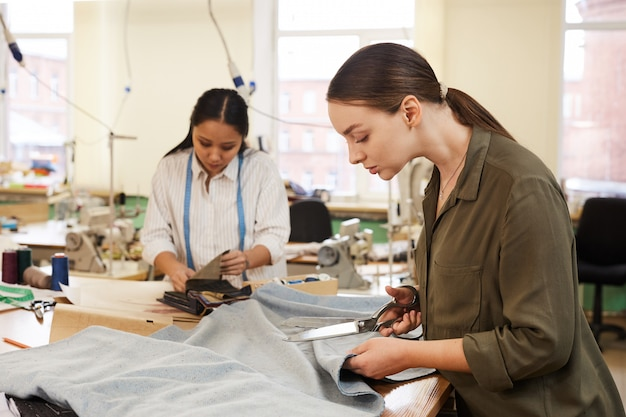
A fashion carbon footprint refers to the total greenhouse gas (GHG) emissions generated throughout a garment’s lifecycle. This includes emissions from raw material production, textile processing, assembly, transportation, consumer use, and eventual disposal.
In the fashion world, this footprint is substantial. According to the United Nations, the fashion industry carbon emissions account for nearly 10% of global emissions—more than the combined emissions from international flights and maritime shipping.Understanding the carbon footprint in apparel gives consumers and brands a crucial foundation for making more sustainable choices.
The Main Sources of Carbon Emissions in the Fashion Industry
The fashion industry carbon emissions stem from complex, globalized supply chains. Key sources include:
1. Raw Material Production
- Polyester, derived from fossil fuels, produces high emissions
- Conventional cotton requires large-scale irrigation and pesticide use
2. Textile Manufacturing & Dyeing
- Coal-powered textile mills
- Water- and energy-intensive dyeing and finishing processes
3. Garment Assembly
- Energy use in mass production lines
- Fast turnaround cycles that prioritize speed over sustainability
4. Global Transportation
- Multiple shipping stages across continents
- Frequent use of carbon-heavy air freight
5. Consumer Use
Frequent washing and drying
Poor-quality garments discarded quickly
6. Disposal
Landfills or incineration of unsold or unwanted clothes
Synthetic fibers release GHGs or microplastics over time
At the heart of these issues is the fast fashion carbon footprint, driven by high volumes, low prices, and a culture of disposability.
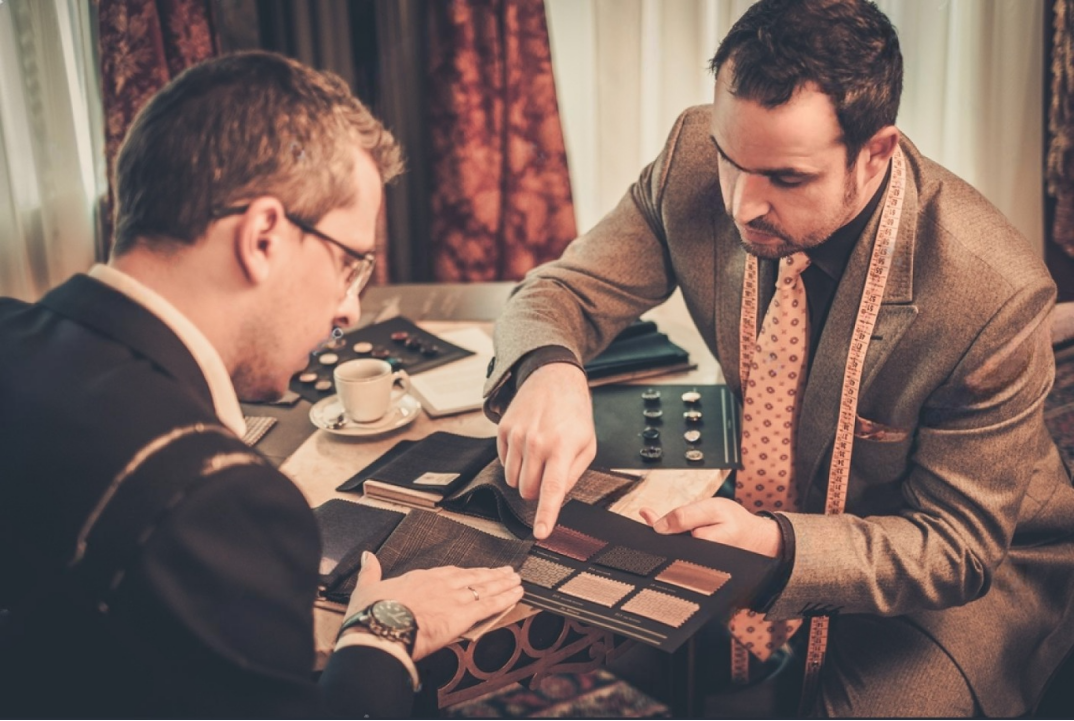
Traditional vs Custom Clothing: A Carbon Footprint Comparison
To understand the environmental advantage of custom clothing, we must compare it to fast fashion—the primary driver of excessive fast fashion carbon emissions.
Factor Traditional Clothing (Mass-Produced) Custom Clothing (Made-to-Order) Production Volume Produced in bulk, often based on sales forecasts Produced only when an order is placed Inventory Waste Overproduction leads to unsold stock, markdowns, or landfill No excess inventory; virtually zero unsold products Material Waste Fabric cutting done at scale, with significant offcuts Patterns optimized for individual pieces; lower waste Sampling Multiple physical samples needed per design Often uses digital 3D design and virtual fitting Transport Emissions Multiple long-haul shipments (raw → mill → factory → warehouse → store) Fewer transportation steps, often local or direct-to-consumer Energy Use High energy consumption for mass production Smaller batches, lower power usage per unit End-of-Life Poor-quality garments discarded quickly Better fit and quality = longer usage life The fast fashion carbon footprint is aggravated by overproduction and long supply chains. In contrast, custom clothing offers leaner, more efficient production with far lower emissions.
How Custom Clothing Reduces Carbon Emissions
Custom clothing makes a measurable difference in lowering the fashion carbon footprint by tackling emissions at multiple stages of the apparel lifecycle. Unlike mass-produced garments, made-to-order clothing reduces waste, energy use, and logistics emissions in ways that fast fashion simply cannot.Here’s how:
On-Demand Production: Eliminate Overproduction Waste
Traditional fashion relies on mass production based on sales forecasts, leading to significant overproduction—over 30% of garments are never sold and often end up in landfills, generating avoidable carbon emissions. In contrast, custom clothing uses on-demand production, creating each piece only after it's ordered. This approach eliminates excess inventory, reduces manufacturing waste, and lowers energy use, making a direct and measurable impact on reducing both textile waste and CO₂ emissions.
Reduced Transportation: Shrinking the Supply ChainFast fashion relies on complex, long-distance supply chains, with materials and production stages spread across multiple countries—resulting in high transportation-related emissions. Custom clothing shortens this chain by using local production and direct-to-consumer shipping, significantly reducing fuel use and lowering the overall carbon footprint of distribution.
Fewer Returns: Better Fit, Lower Emissions
Fast fashion’s high return rates—driven by poor fit and quality—create substantial emissions from extra packaging, shipping, and product waste. Custom clothing, tailored to individual measurements, significantly reduces returns, cutting down on reverse logistics and associated carbon emissions.
Digital Sampling: A Cleaner Design Process
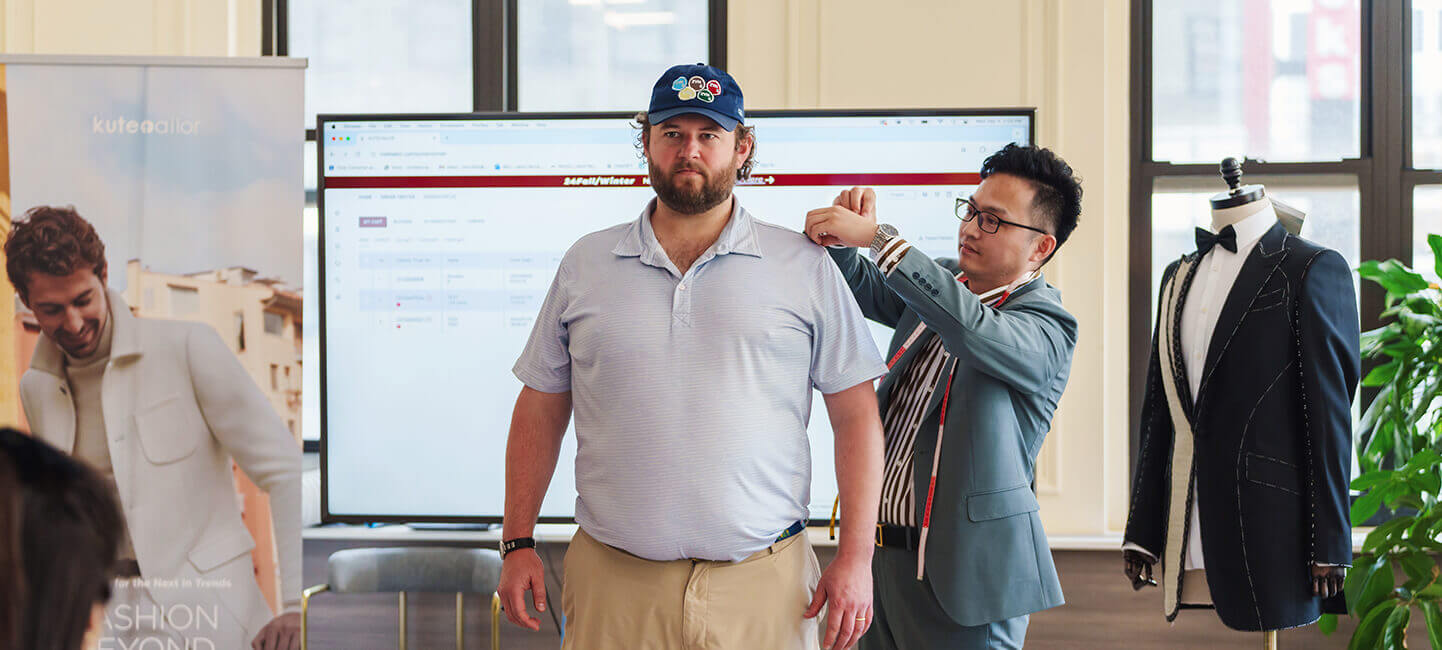
Traditional fashion relies on physical samples throughout the design process, generating waste and emissions from shipping and discarded materials. In contrast, brands offering custom suits online increasingly use digital tools like 3D simulation and virtual try-ons to streamline development, minimize fabric waste, and significantly reduce carbon emissions during the design phase.
Longer Product Lifespan: Wear More, Waste Less
Fast fashion’s poor quality and fit lead to garments being discarded after just a few wears, fueling a throwaway culture and increasing carbon emissions. Custom clothing, with its superior fit, materials, and perceived value, encourages longer use—reducing the need for frequent replacements and significantly lowering the environmental impact over time.
When combined, these five elements of the custom clothing model—on-demand production, localized manufacturing, fewer returns, digital sampling, and longer garment lifespan—offer a compelling, practical solution to counteract the fast fashion carbon emissions crisis.Custom clothing doesn't just represent a fashion trend—it’s a climate-conscious evolution in how clothing is made and consumed.
How Custom Clothing Supports Global Sustainability Goals
As global attention turns toward combating climate change, resource depletion, and social inequality, the fashion industry is under pressure to transform. One of the most effective, actionable steps forward is the shift from mass production to custom, on-demand fashion.
Custom clothing doesn’t just reduce the fashion carbon footprint—it also contributes directly to several of the United Nations Sustainable Development Goals (SDGs), which serve as a global blueprint for a more equitable and environmentally secure future.
Here’s how:
SDG 12 – Responsible Consumption and Production
Custom clothing exemplifies this goal by:
- Producing only what is needed—reducing overproduction and landfill waste
- Encouraging consumers to buy less, but better, promoting a longer product lifecycle
- Minimizing fabric waste through precision cutting and digital design
Compared to the waste-heavy fast fashion model, this approach embodies a truly circular and efficient production mindset.
SDG 13 – Climate Action
Fast fashion is a major driver of fashion industry carbon emissions, from energy-intensive manufacturing to long-haul shipping. Custom clothing helps mitigate this by:
- Localizing production and reducing transportation-related emissions
- Lowering the number of returns, which decreases reverse logistics
- Using sustainable materials and low-impact digital design tools
In doing so, it actively contributes to slowing global warming and meeting national carbon reduction targets.
SDG 8 – Decent Work and Economic Growth
Custom fashion often involves small-batch production, local workshops, or independent artisans. This fosters:
- Job creation in local economies
- Skill preservation in tailoring and garment design
- Fair wages and ethical labor conditions, as production is often easier to monitor and scale responsibly
Rather than relying on anonymous overseas factories, custom clothing celebrates and empowers the people who make it.
SDG 9 – Industry, Innovation and Infrastructure
The rise of custom clothing is deeply tied to technological innovation in fashion:
- 3D virtual fitting rooms
- AI-powered body scanning
- Digital product development tools
- Smart order management systems
These technologies reduce material usage and energy consumption during development, while also streamlining the production pipeline—making fashion smarter, cleaner, and faster.
SDG 17 – Partnerships for the Goals
Sustainable custom fashion thrives on collaboration. Many brands work with:
- Eco-certified fabric producers
- Local makers or co-ops
- Logistics providers offering low-emission shipping
- NGOs and educational platforms promoting ethical fashion
These partnerships create a global network of shared accountability and environmental responsibility.
From Fit to Global Impact
At first glance, custom clothing might seem like a personal luxury—but its ripple effects are global. When implemented at scale, the custom model contributes not just to fashion innovation but to real, measurable progress on the world’s most critical environmental and social goals.
It’s a model that turns every purchase into a purposeful act—one that aligns personal style with planetary responsibility.
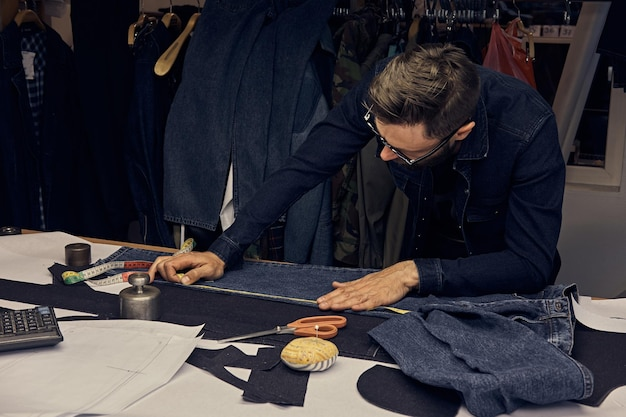
Who Benefits from Low-Carbon Custom Apparel?
Eco-Conscious Consumers
Make sustainable, ethical wardrobe choices. Custom clothing allows them to buy less but better, reducing their personal fashion carbon footprint while supporting transparent, responsible brands.Independent Designers
Avoid mass inventory and create purposefully. The custom model empowers them to focus on quality, creativity, and client connection—without the pressure of overproduction or waste.Brands & Retailers
Cut carbon footprint, reduce returns, and build loyalty. By shifting to made-to-order, brands can meet sustainability expectations while enhancing customer satisfaction and reducing operational risk.Local Manufacturers
Gain opportunities from nearshoring and growing demand for craftsmanship. As brands shift away from overseas mass production, custom apparel suppliers, including local workshops and skilled artisans, are being revalued and revitalized. This shift not only supports regional economies but also enables faster turnaround, lower emissions, and greater transparency in the supply chain.Corporate Buyers
Align custom uniforms with ESG goals. Custom-fit, low-impact uniforms help companies meet sustainability targets, improve employee experience, and strengthen their ethical brand image.In an era where environmental impact matters, low-carbon custom apparel creates value for all—enabling a fashion system that is not only more efficient, but also more human and future-ready.

Conclusion: A Smarter Way to Sustainable Fashion
Low-carbon custom apparel offers a practical path to reducing the fashion industry’s environmental impact. From cutting overproduction to minimizing returns and transport emissions, it redefines how clothing is made and consumed.
Brands like Kutetailor are leading this shift. By combining on-demand production with smart manufacturing and digital fitting, Kutetailor reduces waste while delivering high-quality garments quickly and efficiently. Their model proves that custom fashion can be both scalable and sustainable.
In a world demanding better from fashion, custom clothing is no longer a luxury—it’s a smarter, cleaner, and more responsible way forward.
MORE 2025-06-16 -
 How to Start a Small Clothing Business from Home(2025)
Getting started is often the hardest part of anything. We tend to overthink, overcomplicate, and hold ourselves back—especially when we don’t have a clear, actionable plan. But if you’ve just typed “how to start a small clothing business from home” into a search bar and landed on this article—congratulations. You’ve already taken the first step toward building something of your own.
Starting a small-scale clothing business from home isn’t as hard as it used to be. In today’s digital world, it's more accessible than ever. This blog post will walk you through the entire process step by step, helping you turn your idea into a real, working business—right from your living room.
1. Define Your Niche and Target Audience
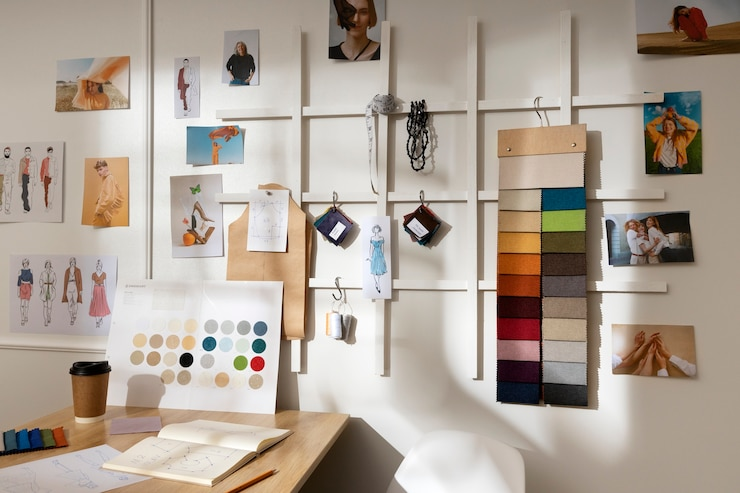
The foundation of any successful clothing brand lies in a clear niche and a well-understood target audience. You can’t market to everyone—so don’t try. Instead, identify what makes your style or message unique.
Start by asking yourself:
l What kind of clothing do I want to create? (e.g., sustainable basics, streetwear, plus-size fashion, kidswear, cultural designs)
l Who is my ideal customer? Age, values, lifestyle, and spending habits?
l What problem does my clothing solve?
Research fashion trends on Pinterest, Instagram, and TikTok. Use tools like Google Trends or AnswerThePublic to see what people are searching for. Validate your ideas with friends, forums, or small test sales on platforms like Etsy.
2. Choose the Right Business Model
Once your niche is defined, select a business model that aligns with your skills, budget, and growth goals:
l Print-on-Demand (POD)
Ideal for graphic tees, hoodies, or athleisure. You upload designs to a platform (like Printful or Printify), and products are printed and shipped only when ordered. No inventory, low startup cost.l Handmade
Perfect for artisans or sewing hobbyists. You create each item by hand, offering exclusivity and craftsmanship—but production time is limited by your personal capacity.l Private Label
This involves working with manufacturers to produce custom designs under your own brand. Higher control over quality, but requires investment in inventory and product development.l Dropshipping
You handle the branding and marketing, while a supplier ships directly to your customer. Low risk, but less control over quality and delivery times.Each option has trade-offs between cost, control, and scalability. Choose a model you can realistically manage and grow into.
3. Develop a Business Plan
Your business plan is your roadmap—and a critical tool if you ever seek funding or partnerships. Even if you're starting solo, a clear plan keeps you focused.
Key components include:
l Brand Vision & Mission: Define what your brand stands for and how it will make a difference.
l Market Analysis: Understand your competition and your customer’s unmet needs.
l Product Line: Detail what items you’ll offer and how they support your niche.
l Marketing Strategy: Describe your customer acquisition plan through channels like social media, content, email, and collaborations.
l Financials: Estimate startup costs (equipment, website, marketing), profit margins, and
pricing structure.
Even a simple spreadsheet and 3-page PDF can serve as a functional starter plan.
4. Set Up Your Home Workspace
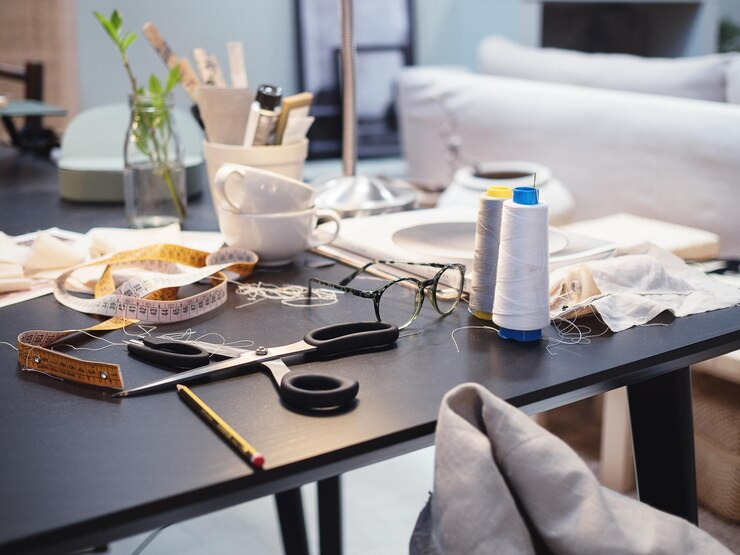
A well-organized, dedicated workspace is key to productivity—especially when your home is also your headquarters.
Essentials for a clothing business might include:
l Designated area: Whether it’s a spare bedroom or sectioned-off corner, having a "business-only" zone keeps you focused.
l Tools & Equipment: Sewing machines, cutting tables, printers, labelers, mannequins, lighting kits (for product photography).
l Storage: Use clear bins, garment racks, drawer organizers, and label makers to keep your materials and products in order.
Invest in ergonomic seating and adequate lighting. Clutter can kill creativity and slow down your workflow.
5. Build Your Brand Identity
People buy brands, not just clothes. Your brand identity is how you communicate your values, vibe, and style.
Consider:
l Name: It should be unique, easy to spell, and evoke your aesthetic.
l Logo & Colors: A clean, scalable logo and a consistent color palette make your brand recognizable across platforms.
l Voice: Think about how your brand "talks" in captions, emails, and product descriptions—is it casual, polished, cheeky, or inspiring?
Tip: Create a brand style guide, even if it's just one page. It helps you stay consistent.
6. Source or Create Your Products
Now it’s time to bring your designs to life.
l Design Tools: Use Adobe Illustrator, Canva, or Procreate to sketch concepts. If you're less tech-savvy, even paper drawings are a good start.
l Fabric & Materials: Search online platforms (like Alibaba, Fabric.com) or local textile markets. Look for certifications like GOTS (for organic fabrics) if you're marketing sustainability.
l Sampling & Testing: Always order product samples. Test for comfort, durability, and shrinkage. Ask friends or local communities for honest feedback before launching.
If you’re outsourcing production, an easier route is to look for made-to-measure (MTM) manufacturers. Partnering with experienced, well-established custom apparel suppliers can help reduce costs and simplify the process. Use platforms like Maker’s Row or reach out directly to garment manufacturers such as Kutetailor.
7. Build Your Online Store
Your website is your digital storefront—make it count.
l Choose a platform:
n Shopify: Powerful, user-friendly, and built for e-commerce.
n Etsy: Excellent for handmade or niche items with built-in traffic.
n WooCommerce: Great if you already use WordPress and want full control.
l Design your site for conversion:
n Use clean layouts with strong product images and easy navigation.
n Include important trust signals—SSL certificate, return policy, and customer reviews.
n Optimize for mobile, as over 60% of shoppers browse on phones.
l Must-have pages:
Home / About Us / Shop / Size Guide / FAQ / Shipping & Returns / Contact
Integrate Google Analytics and basic SEO to track performance and improve search visibility.
For Custom Clothing Brands: Try Kutetailor
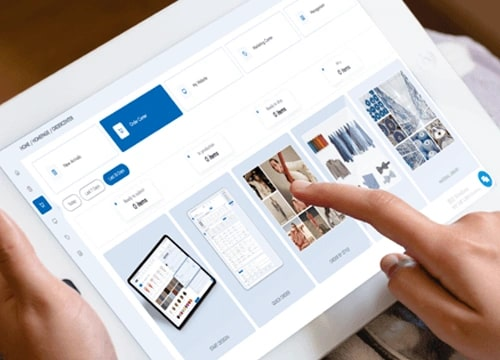
If your focus is on made-to-measure online or personalized apparel, platforms like Kutetailor offer tailored solutions that go beyond traditional e-commerce.
Kutetailor provides:
l A visual product configuration system for MTM suits and garments
l Customizable storefront templates or seamless integration with your existing site
l Real-time inventory and order tracking
l Built-in marketing and analytics tools to grow your brand faster
It’s a powerful option for entrepreneurs building fashion businesses around fit, personalization, or small-batch customization.
8. Implement Marketing and Sales Strategies
You may have amazing designs and a well-organized home-based store—but without smart marketing, your products might never reach your audience. Here’s how to promote your small clothing business with practical, low-cost, and beginner-friendly strategies:
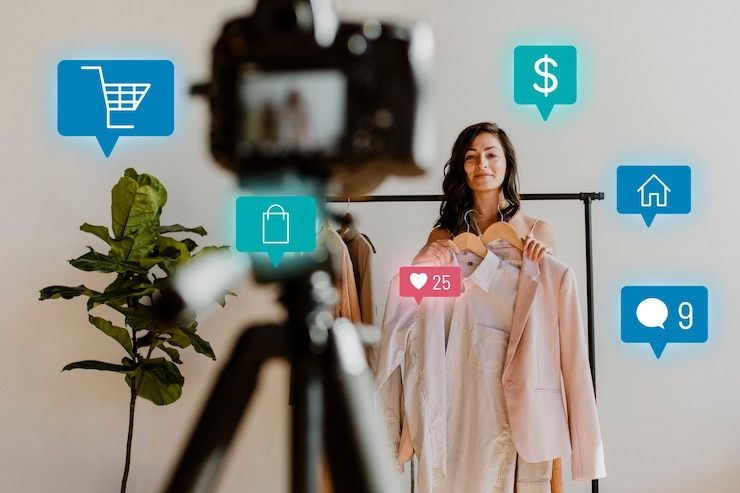
Social Media Marketing: Pick Your Platforms & Plan Your Content
(1) Choose 1–2 Core Platforms:
l Instagram is perfect for visual storytelling—use it to showcase new drops, behind-the-scenes looks, and customer photos.
l TikTok is ideal for viral short-form content—post styling tips, “how it’s made” clips, and trend challenges.
(2) Post Consistently:
l Use free tools like Later or Planoly to schedule posts in advance. Aim for 3–5 posts per week.
l Include a mix of content: product showcases, founder stories, tips, user-generated content, and lifestyle imagery.
(3) Engage with Your Audience:
l Reply to comments, thank customers in DMs, and reshare tagged content to build a loyal community.
(4) Use Hashtags Strategically:
l Combine niche hashtags (#ethicalfashionbrand, #madeinUSAstyle) with trending ones (#ootd, #fashionreels) for wider reach.
Email Marketing: Build Relationships From Day One
(1) Start Collecting Emails Early:
Use free pop-ups on your website to invite visitors to join your list with an incentive—such as “Get 10% off your first order.”(2) Send Regular Campaigns:
l Weekly or bi-weekly emails can include:
l Product restocks and new launches
l Styling inspiration
l Customer features or testimonials
l Limited-time offers or seasonal sales
(3) Create a Welcome Flow:
l Set up an automated welcome email for new subscribers, introducing your brand and encouraging a first purchase.
Content Marketing & SEO: Build Trust Through Value
(1) Launch a Blog on Your Website:
Writing just 1 article per week can dramatically boost your visibility on search engines over time.(2) Basic SEO Tips:
l Include keywords like “affordable women’s fashion,” “sustainable streetwear,” or “handmade dresses USA.”
l Use headings, meta descriptions, and alt text for images.
l Optimize the keywords of your entire website or store, and use correct and searchable keywords.
Influencer & Creator Collaborations: Build Credibility Through Others
l Start with Micro-Influencers (1K–20K followers):
These creators often have high engagement rates and are more accessible. DM or email with a clear pitch: introduce your brand, explain why you admire their content, and offer to send free products in exchange for a review or tag.l Track ROI with Custom Discount Codes or UTM Links
Consider Affiliate Marketing
Bonus: Low-Budget Paid Ads (Optional Step)
(1) Test Facebook/Instagram Ads:
n Start with a small budget ($5–10/day) targeting lookalike audiences or website visitors.
n Run ads promoting your bestsellers, email sign-up offer, or seasonal discounts.
(2) Use Pinterest Ads for Evergreen Traffic:
Fashion performs well on Pinterest. Boost pins featuring outfit inspiration or seasonal guides.
9. Manage Operations and Finances
Behind every stylish storefront is a solid operational system.
l Order Fulfillment: Decide whether you’ll ship daily, batch orders weekly, or use a third-party fulfillment service. Pack orders with care—branded packaging elevates customer experience.
l Inventory: Track your stock in Excel, Airtable, or inventory software like Zoho Inventory or Craftybase.
l Finances: Open a separate business bank account. Use tools like Wave or QuickBooks for invoicing and expense tracking.
Ensure you understand local tax laws and register your business if required.
10. Plan for Growth and Scaling
Once you gain traction, you’ll need to plan for what’s next.
l Add new SKUs: Based on customer feedback, seasonal needs, or trending categories.
l Sell in new places: Think Amazon, local boutiques, or weekend pop-up markets.
l Automate: Use tools to auto-send emails, track abandoned carts, and schedule content.
l Hire: Eventually, you may need help with customer service, order packing, or marketing.
Stay flexible—fashion evolves fast, and so should your brand.
Final Thoughts
Launching a home-based clothing business is more than a side project—it’s a chance to build something uniquely yours. With smart planning, a strong brand identity, and consistent execution, you can turn your creativity into a profitable venture. Start small, learn fast, and don’t be afraid to experiment.
Remember: the best time to start was yesterday. The second-best time is today.
MORE 2025-06-01 -
 The Ultimate Guide to Fashion Supply Chain for Your Online Business in 2025
In 2025, launching a fashion e-commerce brand means navigating a complex global supply chain where a single misstep can cost you customers and profits. From sourcing eco-friendly fabrics to delivering orders in days, the fashion supply chain is the backbone of any successful online apparel business. With consumers demanding transparency and sustainability, mastering your supply chain is more critical than ever. This guide explores how online fashion entrepreneurs can optimize their supply chains for efficiency, sustainability, and customer satisfaction in a rapidly evolving $1.5 trillion industry.
What is the Fashion Supply Chain?
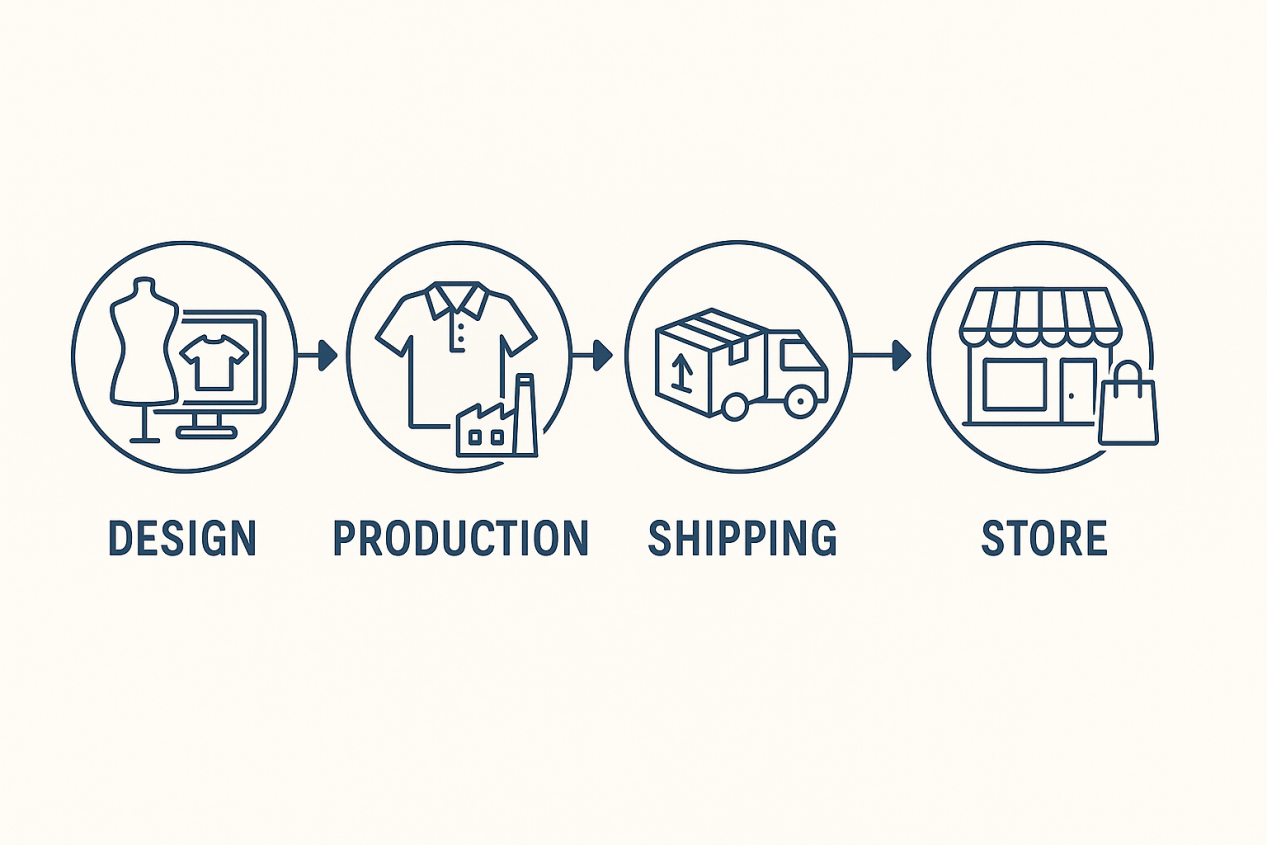
The fashion supply chain refers to the entire journey of a garment—from design and raw materials to production, shipping, and delivery. It’s a complex web of people, processes, and technologies that must work in sync to deliver your product to the end customer. For online businesses, it involves sourcing materials, manufacturing garments, managing logistics, warehousing, and fulfilling orders, all while meeting tight delivery windows and high return rates. Unlike traditional retail, e-commerce faces unique pressures: customers expect fast shipping, high return rates, and global competition.
The globalized nature of the apparel supply chain adds complexity. Raw materials might come from India, manufacturing from China, and sales from the U.S. or Europe. This sprawling network makes efficiency and transparency critical. A well-managed supply chain doesn’t just cut costs—it builds customer loyalty and strengthens your brand in a crowded market.
Key Components of Fashion Supply Chain Management
To thrive in e-commerce, you need to master each stage of the supply chain:
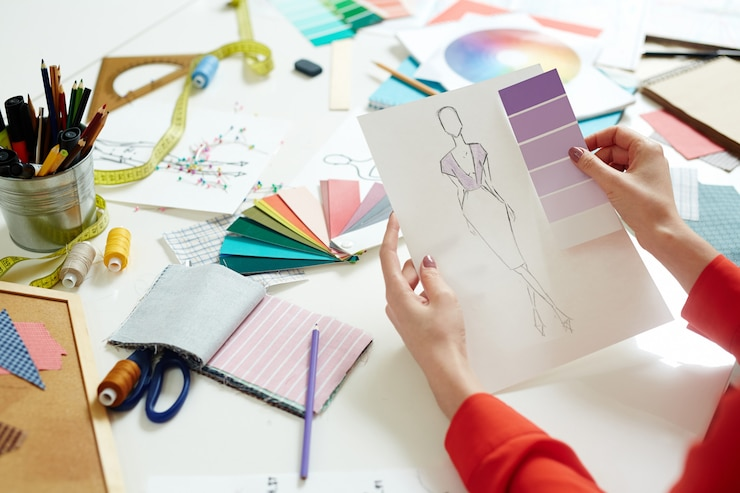
1. Design and Product Development
This is where it all begins. The design phase isn’t just about aesthetics—it’s also about functionality, material selection, production feasibility, and time-to-market. Product development involves:
l Trend research and mood boarding
l Sketching and technical design (CAD or tech packs)
l Prototype and sample creation
l Fit testing and revisions
A well-executed design and development process ensures your product is not only on-trend but also manufacturable and scalable.
2. Sourcing and Procurement
Once your designs are finalized, you need to source materials and find the right manufacturing partners. This step involves:
l Selecting fabrics, trims, buttons, and labels
l Choosing suppliers based on cost, quality, and lead time is critical—especially when working with custom apparel suppliers who can meet your brand’s unique material and design needs.
l Negotiating contracts and MOQs (Minimum Order Quantities)
l Ensuring ethical and sustainable sourcing practices
For online fashion businesses aiming to appeal to conscious consumers, transparency and supplier reliability are critical.
3. Manufacturing and Production
This is the heart of the supply chain, where your garments are physically made. Whether you work with local workshops or overseas factories, key steps include:
l Fabric cutting and assembly
l Quality assurance at multiple checkpoints
l Compliance with safety and labor standards
l Batch testing and packaging
Efficient communication with your production partners and having a clear production calendar will help you avoid delays and unexpected costs.
4. Logistics and Distribution
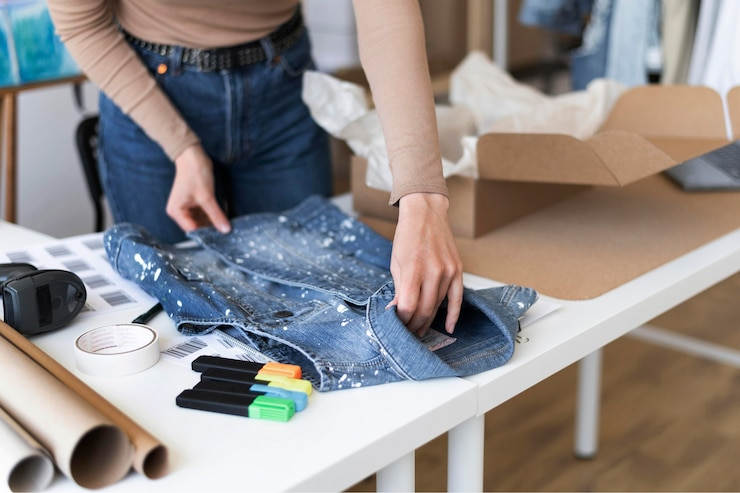
Once your products are made, they need to reach your warehouse—or go directly to your customers. This stage includes:
l Freight forwarding (by air, sea, or land)
l Customs clearance and import/export documentation
l Warehousing and inventory management
l Order fulfillment and last-mile delivery
For e-commerce brands, fast and accurate fulfillment is crucial. Integrating your online store with your logistics system helps streamline operations and reduce fulfillment errors.
5. Retail and Customer Engagement
The final stage is where the product meets the customer—but your job isn’t done yet. This stage involves:
l Presenting products on your e-commerce site with high-quality images, descriptions, and size guides
l Managing customer service, inquiries, and returns
l Collecting feedback and using data to improve future designs
l Handling reverse logistics for returns and exchanges
Customer experience at this stage can make or break brand loyalty. A smooth delivery, easy returns, and excellent communication will turn first-time buyers into repeat customers.
Navigating Logistics in the Fashion Industry
Logistics is the backbone of your supply chain. In fashion, where trends change quickly, delays can cost you both money and credibility.
Common Logistics Challenges:
l Seasonal surges and unpredictable demand.
l Managing returns in a cost-effective way.
l International shipping complexities.
Best Practices to Improve Logistics:
l Automated Warehousing: For faster, error-free order fulfillment.
l Smart Inventory Management: Avoid stockouts and overstock using demand forecasting tools.
l Reliable Fulfillment Partners: Work with 3PL providers that specialize in fashion logistics.
Tip: Offer multiple shipping options and clear return policies to enhance customer trust and satisfaction.
Building a Resilient and Agile Supply Chain
Unpredictable events—like pandemics, strikes, or raw material shortages—can severely disrupt your operations. An agile supply chain can adapt quickly to these changes.
Steps to Increase Resilience:
l Diversify Suppliers: Don’t rely on one region or manufacturer.
l Develop Contingency Plans: Prepare backup logistics routes and stock reserves.
l Stay Informed: Use supply chain monitoring tools to detect potential disruptions early.
Agility also means being able to scale operations based on demand. This is where flexibility in production and fulfillment becomes vital for online retailers.
Leveraging Technology for Supply Chain Excellence
Digital tools are revolutionizing supply chain management in fashion. For online businesses, they enable speed, accuracy, and real-time decision-making.
Essential Technologies to Consider:
l ERP (Enterprise Resource Planning): Unifies data across departments—inventory, sales, finance.
l Blockchain: Offers end-to-end transparency on sourcing and labor practices.
l AI & Analytics: Predict customer behavior, automate restocking, and personalize marketing.
l E-commerce Integrations: Connect platforms like Shopify or WooCommerce with inventory and fulfillment systems for seamless operations.
Bonus Tip: Choose fashion-specific tools like PLM (Product Lifecycle Management) software to streamline design-to-production workflows.
Challenges and Risks in 2025
Running an online fashion business in 2025 comes with hurdles:
l Economic Pressures: Rising tariffs and inflation are squeezing margins, with 39% of fashion executives expecting tougher conditions this year.
l Supply Chain Disruptions: Geopolitical tensions, port strikes, and material shortages threaten delivery timelines.
l Consumer Expectations: Shoppers demand affordability, speed, and ethics—a tricky balance for small brands.
l Scalability: As your business grows, managing multi-channel sales (e.g., your website, Amazon, social platforms) requires robust systems.
Actionable Strategies for Online Fashion Businesses
To build a thriving online fashion brand, focus on these strategies:
1. Build Strong Supplier Relationships: Use supplier scorecards to evaluate performance on quality, ethics, and sustainability. Strong partnerships ensure reliability.
2. Invest in Technology: Adopt AI, RFID, or software like Inventory Planner to boost efficiency, even on a small budget.
3. Prioritize Transparency: Share sourcing details via tools like Digital Product Passports to build customer trust.
4. Optimize Logistics: Work with logistics providers for optimized routes and consolidated warehousing to save time and money.
5. Embrace Agility: Shorten lead times by emulating fast-fashion models, enabling quick responses to trends.
How Kutetailor Simplifies the Supply Chain for Online Fashion Brands
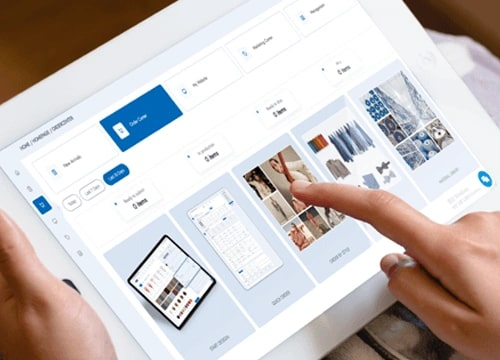
As you’ve seen throughout this guide, managing a fashion supply chain—from design and sourcing to fulfillment—requires agility, transparency, and reliable partners. If you're looking for a real-world tool to tie all these elements together, Kutetailor offers an integrated platform that simplifies the process for online clothing businesses.
Whether you’re building a brand that offers made to measure clothes online or managing small-batch production, Kutetailor supports you with:
l End-to-end production management with real-time tracking
l Visual customization tools for suits, shirts, and personalized apparel
l Flexible order processing and low minimums ideal for new or growing brands
l White-label store setup or API integrations for seamless online experiences
l Centralized dashboards for pricing, styles, and logistics
By integrating design, production, inventory, and fulfillment into a single system, Kutetailor helps modern fashion brands stay lean, agile, and customer-focused—especially in today’s volatile global market.
Conclusion
The fashion supply chain may seem complex, but for your online business, mastering it is essential. From ethical sourcing and streamlined logistics to smart use of technology, every step you optimize brings you closer to better margins, happier customers, and a more resilient brand.
Whether you're just launching your store or scaling your operations globally, building a supply chain that’s agile, transparent, and tech-enabled isn’t just smart—it’s the foundation of long-term success in fashion e-commerce.
Take the time to choose the right tools, partners, and strategies. And remember: fashion moves fast—but with the right supply chain in place, so can you.
FAQs
1. What are the key stages of a fashion supply chain for e-commerce?
It includes sourcing materials, manufacturing, logistics, inventory management, and order fulfillment. Online businesses must optimize for fast delivery and high return rates.
2. How do I manage high return rates?
Use prepaid return labels, recycle items, and apply AI quality control to reduce defects. Analyze return data to improve products.
3. How do I sync production with online sales data?
Use analytics to align production with real-time sales trends, creating feedback loops to adjust inventory dynamically and avoid overstock.
MORE 2025-05-31