-
 The Ultimate Equestrian Attire Guide: For Men and Women
Are you searching for custom equestrian apparel? You may also want to learn more about equestrian apparel to assist you in making the correct choices for your riding wardrobe. Equestrian apparel is more than just clothes; it is a perfect combination of tradition, safety, and functionality, representing the richness of history and the dynamic nature of horseback riding. Whether you're a seasoned rider or a total beginner, knowing the basics about equestrian apparel will help you show your style in comfort and safety.
This guide gives comprehensive insights into choosing the right equestrian wear based on riding disciplines and levels of experience. From safety gear to stylish accessories, we have got you covered for every riding activity. Let's dive in!
Essential Equestrian Attire for Men and Women
First, let's discuss the essential equipment needed for professional and complete equestrian showing attire:
Headgear
Wearing an ASTM/SEI certified helmet is a must in equestrian sports, providing essential protection. Traditional equestrian helmets come in various designs, allowing riders to choose styles that match their attire while ensuring safety.
Tops and Shirts
· Show Shirts: Typically all white or light-colored, featuring white collars and cuffs. They are tailored to prevent snagging on equipment.
· Casual and Training Shirts: Includes polo shirts, T-shirts, short sleeves, and tank tops made from moisture-wicking fabrics to ensure comfort during training sessions.
Jackets and Outerwear
· Show Jackets: Required for formal competitions, generally in dark colors and of a stretch material to accommodate free movements.
· Casual Jackets: Light in weight, warm, and suitable for everyday riding; melding traditional style with functionality of modern times.
Pants and Breeches
· English Breeches: White, light gray, or beige color, usually with grip panels on the inner knees for better grip in the saddle while making jumps and sharp turns.
· Western Riding Pants: Jeans or special riding pants made of hard-wearing and comfortable material for flexibility and protection.
Boots and Footwear
· English Riding Boots: Taller boots for formal competitions and ankle-length boots for casual riding. They have a heel from 1 to 1.5 inches and ankle support to prevent the foot from slipping through the stirrup.
· Western Riding Boots: Extremely stylish, yet highly practical, cowboy boots manufactured tough enough to provide years of trusty service in most traditional Western riding disciplines.
Gloves and Accessories
· Riding Gloves: Protect hands from abrasions and improve reins grip; usually made from leather or synthetic materials in neutral colors.
· Accessories: Belts, spurs, cufflinks, and minimalist jewelry add personal touches to equestrian attire without sacrificing performance.
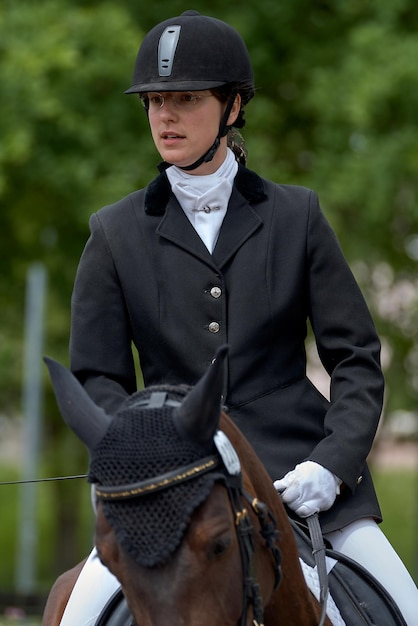
Equestrian Attire by Discipline
Selecting the appropriate equestrian attire for various riding disciplines and occasions is crucial:
Jumping Competition Attire
Includes beige-colored breeches, all white or light-colored shirts, dark show jackets, and shiny tall boots. Jumping competitions are dangerous and thus require certified and correctly worn helmets for the safety of riders. Additionally, investing in custom formal wear can enhance both style and functionality during competitions.
Dressage Attire
Aesthetically designed, usually consisting of white breeches, white shirts with bow ties, dark show jackets, stiff high-gloss boots, and gloves of neutral colors. Newer designs include fancy patterns along with unusual cuts to give an elegant look.
Hunter and Fox Hunting Attire
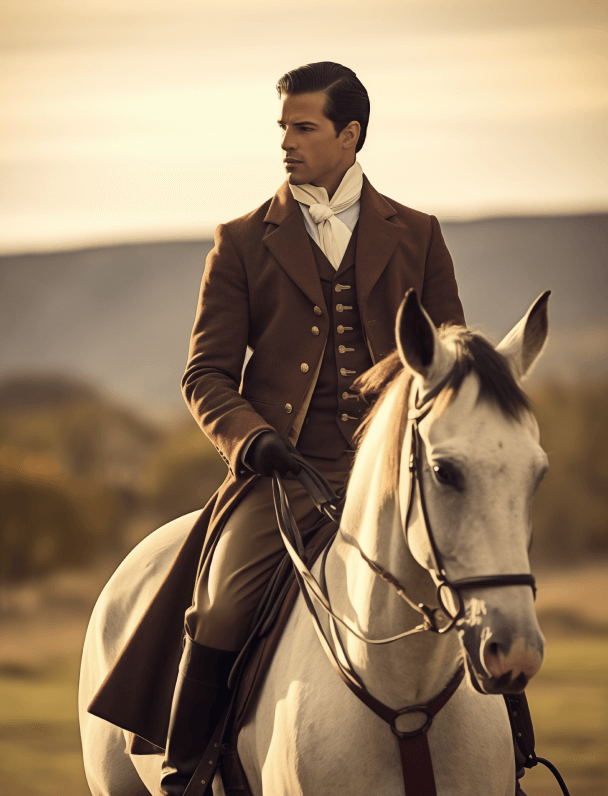
Traditional in conservative and simplified outlook, typically retains light-colored breeches and special vests that feature a Melton wool hunting jackets to meet hunter attire qualifications.
Eventing and Endurance Attire
Is characterized by functionality, protection such as lightweight wicking apparel combined with tough boots and protection with helmets to allow comfort during long-distance rides.
Casual Riding Attire
Comfort and practicality are key, usually with flexible breeches or special jeans, custom Smart Casual, comfortable jackets, and hardy boots. Besides, accessories such as sunglasses and gloves can be added to adapt to different weather conditions.
Western Riding Attire
The attire includes Western shirts, jeans, cowboy boots, and wide-brimmed hats, further accessorized with protective leg gear and spurs to complete the classic cowboy look.
Equestrian Attire by Experience Level
Picking the right equestrian wear, depending on your riding skill level, can make all the difference in your performance and comfort:
Beginner Equestrian Attire
Emphasizes safety, selecting certified helmets, comfortable breeches or riding pants, and tough boots with a 1 to 1.5-inch heel. Beginners should invest in moderately priced, well-fitting gear to ensure safety and comfort without excessive spending.
Intermediate Equestrian Attire
With experience, it is time to introduce technical fabrics and more specialist equipment. At this point, balancing practicality with breathable fabrics and more interesting cuts creates a better combination of performance and look.
Professional Equestrian Attire
Highly professional riders would require advanced materials to achieve maximum performance and durability.
Professional equestrian outfits will combine high-end fashion features with the strict standards of competitions to meet the highest demands of elite riding. To further customize your professional gear, consider made to measure suits online for the perfect fit.
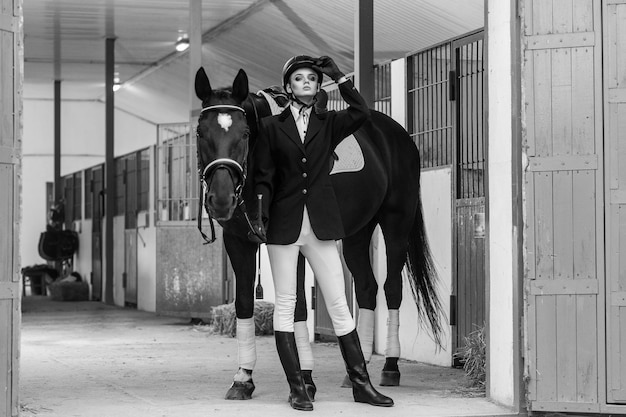
Choosing the Right Equestrian Attire
Functionality and Comfort
Wear clothes that allow for freedom of movement. Breathable, elastic, and durable materials can do this for you. This keeps you comfortable and free in your ride.
Safety Standards and Certification
Follow safety rules such as using certified helmets and appropriate boots. Take care of the equipment to ensure the working efficiency.
Style and Tradition
Blend modern trends into traditional styles. Wear style of riding discipline.
Coordination with Horse
Keep horse and rider color, style coordinated for good-looking presentation and good team working.
Recommended Equestrian Attire Brands
Top Brands
Brands like Ariat, Pikeur, and Horze have the market advantage of quality and fashion in equestrian apparel across a number of riding disciplines for various experience levels.
Professional Brands
Different disciplines may require specialized brands. For example, Breezer is excellent for dressage and eventing, Driza-Bone offers reliable outerwear for various riding conditions, Pikeur and Animo are perfect for dressage, and Justin Boots and Wrangler excel in Western riding.
Budget-Friendly and High-End Options
These come with fabulous options for all budgets, starting from affordable ones like Dover Saddlery to very high-end brands like Pikeur.
Maintenance and Care Tips for Equestrian Attire
Proper Washing and Storage
Follow the manufacturer's directions related to washing and drying any garment. Store the outfits in a cool, dry area, away from direct sunlight to avoid deterioration.
Regular Inspection
Regularly inspect safety equipment for wear and tear and replace immediately when damaged.
Extending Gear Longevity
The ways to make gear last longer include fixing minor damages quickly and avoiding extreme use conditions. Invest in good clothes and follow the care routines to keep them functional and good looking. Fix minor damages in time and avoid harsh condition use to make gear last.
Final Thoughts
With this ultimate equestrian fashion guide, we hope we could empower you in selecting your riding gear in a lot more confident way. It is very obvious that correct attire will enhance riding experiences of both the professionals and freshers, be it keeping you safe or elevating style.
For those looking to elevate their riding wardrobe with personalized touches, Kutetailor offers bespoke equestrian attire tailored to your unique style and needs. Our expert tailors work with you to create custom-fit garments that meet both your aesthetic preferences and functional requirements. Visit Kutetailor today to design your perfect riding gear and experience the difference of customized excellence.
Wishing you enjoyable and stylish rides on your equestrian journey!
Frequently Asked Questions
1. What is the best equestrian attire for beginners?
Beginners should prioritize safety and comfort, including a certified helmet, comfortable breeches or riding pants, sturdy boots with a 1 to 1.5-inch heel, and breathable shirts.2. How to Choose the Correct Equestrian Helmet?
Wear an ASTM/SEI certified helmet that fits tightly but is not too tight, covers all the right parts of the head, and is comfortable to wear. Replace the helmet immediately after a fall or accident.3. What are the differences between jumping competition and dressage attire?
Jumping competition attire: light-colored breeches, all white or light-colored shirts, dark show jackets, and shiny tall boots. Dressage is a bit more formal: white breeches, white shirts with bow ties, dark show jackets, rigid high-gloss boots, and gloves.4. Can I wear regular jeans for casual riding?
It's best to wear flexible, moisture-wicking riding pants or specially designed jeans to keep you comfortable and prevent chafing.5. What are the essential accessories for equestrian attire?
The must-haves are a certified helmet, gloves, belt, spurs, cufflinks, casual riding sunglasses, and reflective gear for visibility.MORE 2024-12-31 -
 Wool vs Polyester Suits: A Comprehensive Guide to Choosing the Right Fabric
The kind of fabric your suit will be made of is actually a decision you should make in your suit. Settling for wool or polyester, with both having their special benefits relating to style, comfort, and price, might just be tough to decide on. This guide tries to help make some sense of the differences that concern style, comfort, durability, and price for wool and polyester suits to select the best one for your needs.
Understanding the Basics: Wool vs Polyester Suits
What is Wool?
Wool is a natural fiber obtained from sheep and some other animals. It is one of the most popular fabrics, used in high-end, luxurious suits because of its breathability, softness, and durability. The natural fibers permit great moisture-wicking, thus enabling the wearer to be at their ease in a host of climates. Wool suits have long been synonymous with high quality, offering classic style that just never goes out of fashion. Many custom apparel manufacturers utilize wool for their high-end offerings, ensuring a perfect fit with custom made to measure suits online options for their clients.
What is Polyester?
Polyester is an artificial fiber that is cheap, resistant to wrinkles, and low maintenance. The quality of polyester has immensely improved with advances in the technology of textiles, making it a near rival to wool in performance. Newer blends of polyester, like TechWool, breathe better and have more stretch, which has made polyester suits a very viable option for the budget-conscious buyer who wants a durable and low-maintenance garment.
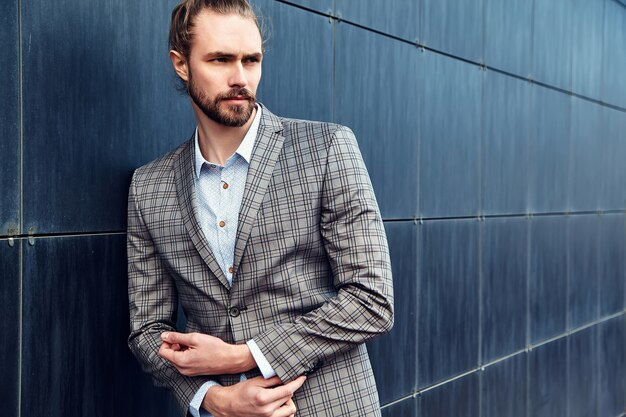
Key Factors to Consider When Choosing Between Wool and Polyester Suits
Comfort and Breathability
Wool: In wool, you'll have very breathable and moisture-wicking advantages in a suit for your comfort in extreme warm or cold weather conditions. Natural fibers allow the flow of air to keep you cool or warm, without overheating and/or moisture build-up.
Polyester: Traditionally, polyester has been less breathable; however, modern blends have come a long way forward. Suits made from polyester-wool blends are far more breathable and can be worn day in and day out. However, in extreme temperatures, they may still be less comfortable than pure wool.
Durability and Maintenance
Wool: While wool is extremely long-lasting when well taken care of, it needs periodical dry cleaning and must be protected from moths. If well cared for with the right maintenance, the lifespan is unmatched. Wool suits offer great durability with a luxurious feel that only improves with age. They are known to be breathable and moisture-wicking, making them perfect for both custom woman's wear collections and tailored men’s apparel.
Polyester: Polyester suits will also last quite a while concerning wear and tear issues. It is low-maintenance, does not easily wrinkle or fade, and doesn't require that much cleaning.
Price and Value
Wool: By nature and due to the complicated production process, wool suits tend to be more expensive. They are usually regarded as an investment in quality and style.
Polyester: Suits made of polyester are incomparably cheaper, which makes them very appealing for people on a tight budget or for those who have to purchase several suits.

The Look and Fit: How Wool vs Polyester Affects Your Suit's Appearance
The Drape and Feel
Wool: Wool fabrics are known for their luxurious drape and soft, natural feel against the skin. They conform to the body, creating a smooth and elegant silhouette that enhances your overall appearance.
Polyester: Polyester tends to be stiffer and hangs less well than wool. This can often make a suit look stiff or boxy. However, advances in polyester blends and weaving have done much to improve the structure and hang of polyester suits.
Shine and Gloss
Wool: The finish on wool is generally matte and hence very classic and subdued in its look for many formal occasions.
Polyester: Polyester fabrics have a slight sheen or gloss sometimes that can sometimes make them look cheaper, especially in really bright light. This has been subdued with modern polyester blends, which now feel and look more natural and suitable for more occasions.
Polyester vs Wool Suits: Ideal Occasions for Each Fabric
When to Wear Wool Suits
Wool suits are very suited for custom formal wear, business meetings, and cooler weather. They are often chosen for weddings, important conferences, and high-end professional settings due to their sophisticated appearance and superior breathability. The classic look of wool makes it a go-to choice for occasions that demand elegance and comfort.
When to Wear Polyester Suits
Polyester suits are ideal for custom smart Casual, traveling, and hot weather since comfort and ease of care are essential. Since polyester suits are durable and simple to pack without wrinkling, they are suitable for day-to-day wear. The durability and low maintenance of the suit make it ideal for individuals with active lifestyles and frequent travelers.
The Future of Polyester and Wool Suits: Advancements and Trends
Technological Improvements in Polyester
Advances in textile technology are making polyester suits much better in performance with the inclusion of polyester-wool blends. Blends such as TechWool combine the best features of both fibers for superior breathability, elasticity, and toughness. These improved features give the consumer the added options of comfort and style with longevity without taking a hit in the pricing.
Sustainable Wool and Polyester Options
Sustainability is increasingly an important determinant in the selection of fabrics. Eco-friendly wool farming practices and recycled polyester are also on the rise. These options will continue to appeal to the increasing numbers of consumers who look for high-quality suits without damaging the environment.
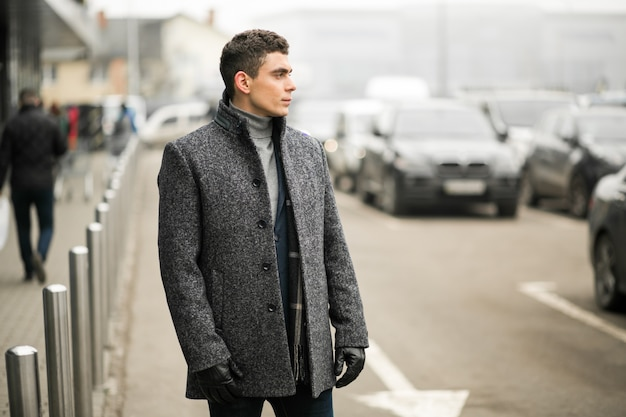
Wool or Polyester Suits: Which is Best for You?
Lifestyle and Budget Considerations
Your lifestyle and budget can help you choose whether your suit should be made from wool or polyester. If high-class, traditional fabrics are something worth investing in for you, then wool is the ultimate choice. For those who want affordable rates, low maintenance, and travel frequently, polyester and its blends are quite a reasonable and practical choice.
Key Advice: Assess your personal lifestyle, budget, and specific needs to determine which fabric aligns best with your preferences and requirements.
Why Choose Our Tailored Wool and Polyester Suits?
Our bespoke suits are carved out of the finest wool combined with advanced polyester blends to ensure that one gets the best of both worlds. Be it the all-time class of wool or the practical resilience of polyester, our suits assure elevation in style, comfort, and confidence. We believe in quality, reasonable pricing, and customer satisfaction based on custom-fit solutions to fit your needs.
Frequently Asked Questions
1. What is the main difference between wool and polyester suits?
Wool suits breathe and are more comfortable; thus, they are highly recommended for formal events or cool weather. Polyester suits are cheaper, resistant, and easy to take care of.
2. Are polyester suits cheaper than wool suits?
Yes, polyester suits happen to be much more budget-friendly due to the synthetic nature of the material and the easier production process involved.
3. Are polyester suits bad?
Polyester suits aren't bad; they're affordable, durable, and low-maintenance, but less breathable than wool, which can affect comfort in hot weather. They're a great budget option but may not offer the same luxury feel as wool.
4. Can polyester suits be worn for formal events?
Yes, polyester can be stylish for modern suits and semi-formal/business events, especially in a hot climate or casual atmosphere.
5. Which fabric is better for travel: wool or polyester suits?
Polyester suits are good for travel because they are more wrinkle-resistant and low maintenance, thus being easier to pack and wear over a longer period of time.
MORE 2024-12-26 -
 How Long Should Dress Pants Be? Types of Pant Break
When it comes to dressing sharp, every single detail counts, and that includes the length of your dress pants. A well-fitted pair of pants can really tie your look together, but knowing how long dress pants should be and the right type of pant break for your body shape and occasion is key to a polished look. The following guide will walk you through the various types of pant breaks, how to measure dress pants, and what kind of break works with which body types and setting.
What is Pant Break and Why Does It Matter?
Pant Break refers to how your pants sit on your shoes and the fold or crease that occurs at the bottom of the pant leg. The break affects the whole look of your pants, hence it is an important aspect of tailoring. The right pant break ensures that your trousers complement your shoes, body shape, and the formality of the occasion.
Knowing your options for pant breaks will help you select the perfect fit for your body and ensure that your dress pants aren't too short or too long. If you are looking for a custom apparel manufacturer to craft perfectly fitted dress pants or suits, it's essential to understand the various pant break styles.
Types of Pant Break: Which One is Right for You?
Pant breaks come in different styles, each of which complements various body types and occasions. Whether you prefer a more casual style or a formal look, your choice of pant break can make a significant impact on your overall appearance.
If you are preparing for a formal event, consider opting for a custom formal wear solution that takes into account your body shape and preferred style. Custom tailoring will help you achieve the perfect pant break and overall fit for your outfit.
Full Break
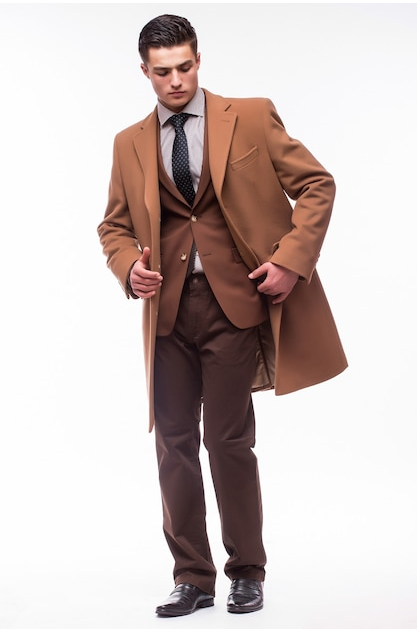
Full break is the most traditional and formal look. It happens when the bottom of the pant leg sits on the top of your shoe and creates a more noticeable fold or crease. This kind of break works with classic or relaxed fits, offering a more conservative look. Full breaks are typically seen in formal business attire or older styles.
Half Break
A half break falls midway between a full and a quarter break. When a half break is on, the pant barely touches the top of the shoe and can almost form a crease. It's popular because it provides more modern styling, while it still does not abandon that sense of full-break formality. Versatile, the half break works in either business applications or in a semi-formal context.
Quarter Break
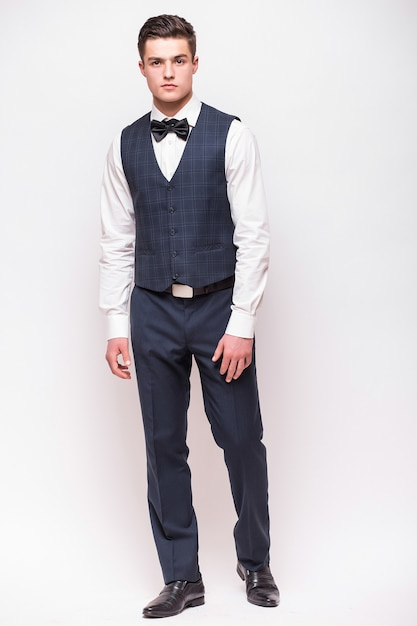
The quarter break is shorter in length, where the pant leg rests a little above the shoe. It forms a small crease just above the shoe, giving a sharper and more modern look. This break is perfect for slim or tapered fit trousers and is quite common in casual and smart-casual settings.
No Break
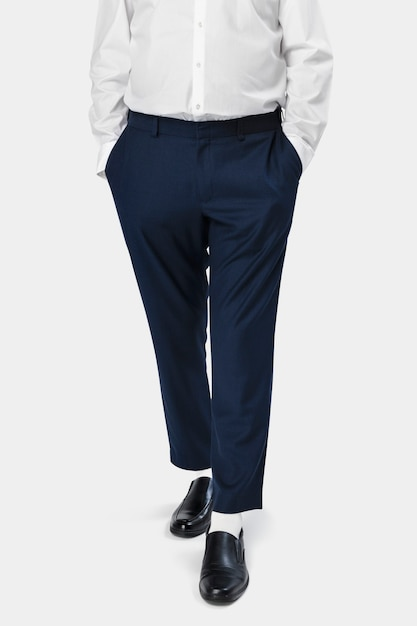
A no break simply means the pant leg barely touches the shoe or doesn't touch the shoe at all. This is sleek, modern, and minimalist. It's usually seen with slim-fit trousers and is a favorite among people who like their pants sharp and fitted. No-break styles are also great for shorter guys because it elongates the leg line.
How Long Should Dress Pants Be? Learn to Measure
Now that you know the different types of pant breaks, let's discuss how long your dress pants should be and how to measure for the perfect fit.
Wherein determining just how long your pants are to be, this is, in fact, the measurement to go by-the inseam. It forms the critical length from crotch up until the bottom of the pant hem, while being paramount for the achievement of good break. Getting the most accurate inseam involves just basically standing straight with a normal stride and have someone then measure from crotch out to the place desired upon the ankle.
As it goes, while the inseam is the length of inside of the leg, outseam defines a line from the waistband, going down to the very bottom hem outside the leg. As much as both are usually taken into consideration for general fit, it's mostly the inseam that actually changes how long the pants are going to be.
How to Adjust Pants for Different Breaks
If the pants do not fall just the way you want them to, it's pretty easy to adjust the length for the desired break. You will need to lengthen the pants a bit for a full break, and shortening them will do the trick for a quarter or no break to get that sharp, modern look. A tailor can help you make precise adjustments for the perfect fit.
Choosing the Right Pant Break for Different Body Types
Selecting the right pant break is not just about style; it’s also about how it complements your body shape. Here's how to match pant breaks to various body types.
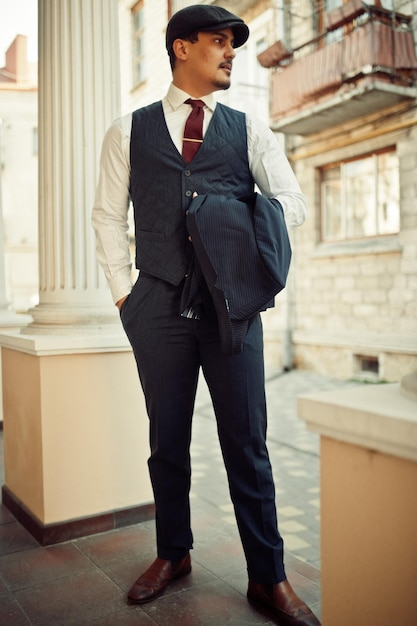
Slim and Tapered Fits
For slim or tapered body types, a quarter or no break works best. These breaks will keep the line of the leg sharp and streamlined. No break or a slight quarter break prevents excess fabric at the ankle, which provides a more modern, tailored look.
Classic or Relaxed Fits
Full or half break gives balance to the proportions in case of more classic or casual body types. These breaks add volume at the bottom and can visually elongate the legs. Extra fabric provides extra comfort, which is highly welcome in case of looser-fitting trousers.
Pant Break for Different Occasions
The occasion plays a crucial role in determining the correct pant break. Here’s how to choose the right break for various settings.
Business Formal vs. Casual Settings
Full or half break is generally preferred in business formal settings because it gives a professional look. For casual or semi-formal occasions, a quarter or no break creates a more relaxed, modern vibe. Suit pants length should be chosen according to the formality of the event since these breaks directly affect the overall impression.
Seasonal Considerations
Seasonal changes can also have an effect on the selection of your pant break. You may prefer a shorter break, like a quarter or no break in warm weather, as that can enable you to wear lighter and airier clothes. During cold months, a full break will help retain heat because of the additional layer of fabric around the ankles.
Define Your Style
There are various breaks-from full to no breaks-patterns around which one chooses a length for dress pant. The selection must be based on what suits the body shape and the occasion and style of the person. After making a choice, his or her appearance and confidence will surely boost up. Properly meant suit pant length is not tails measurement only, but rather it attained in a way which creates comfort and style. Whether you're shopping for made-to-measure suits online or finding a reliable custom apparel manufacturer, make the choice that suits you!
FAQs
1. What is the best pant break for slim men?
A quarter break or no break works best for slim men, as it creates a sharp and tailored appearance.
2. How long should trousers be?
Trousers should ideally fall with a slight break at the shoe. The exact length will depend on the desired break style, but it should complement your body type.
3. How can I tell if my dress pants are too long?
If your pants form a deep crease or gather excessively at the shoe, they may be too long. Ideally, there should be just a subtle break.
4. What’s the difference between inseam and outseam measurements for dress pants?
The inseam measures the length from the crotch to the ankle, while the outseam measures the length from the waistband to the bottom hem on the outside.
5. Should I go for a full break or no break for a business suit?
For a business suit, a full or half break is typically preferred, as these provide a more formal, professional look.
MORE 2024-12-25 -
 Shirt Cuff Styles 101: Types of Shirt Cuffs
Whether the clothes are exquisite or not, the details play a crucial role when it comes to determining whether a person is well-dressed, and exquisite clothing cannot be avoided exquisite cuffs. People who pursue the quality of tailored clothing should pay attention to various details. Whether you are wearing a suit or casual clothes, the style of the shirt cuffs you wear can add sophistication, personality and comfort to your outfit. This guide will take you through the different types of shirt cuffs, their history and how to wear them in different occasions.
What Are Shirt Cuffs?
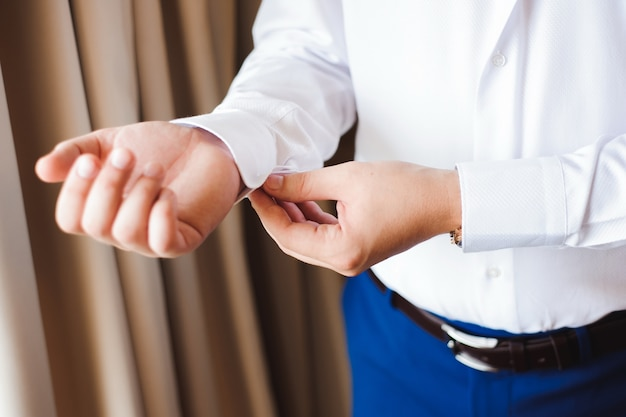
Shirt cuffs are the fastened end of the sleeves on a shirt, usually equipped with buttons, cufflinks, or studs. They come in various styles and designs, each offering a different aesthetic and functional benefit. Shirt cuffs are an essential feature of dress shirts since they not only complete the look but also add to the fit and comfort of the garment, evolving in both design and function over time.
The history of shirt cuffs dates back centuries. In the 17th century, detachable cuffs were popular among men and women in Europe. These were often fancy, with lace or embroidery, and could be changed according to the occasion. As time went on, shirt cuffs became simpler and more functional, especially for men. By the early 20th century, the cuff had become a defining feature of formal shirts, with innovations such as cufflinks and French cuffs emerging as hallmarks of elegance and sophistication.
Nowadays, shirt cuffs are a staple in both men's and women's wardrobes, offering a range of options depending on the formality and style preferences of the wearer.
Types of Shirt Cuffs: The Ultimate Breakdown
There are several types of shirt cuffs, each offering different levels of formality, comfort, and style. Let’s take a closer look at the most popular types.
Barrel Cuffs(Single Cuffs)
The barrel cuff is the most common and versatile of all shirt cuffs. Also known as single cuffs, these usually fasten with one or two buttons and can be adjusted to fit the wrist for better comfort. Barrel cuffs are conventionally used on both casual and formal shirts and are quite practical.
If you're considering custom formal wear, barrel cuffs can be made to match your unique preferences, providing a polished and tailored look. They are a staple for many people who opt for made-to-measure suits online, offering a perfect fit with a refined touch.
Key Features:
· Easy to adjust with one or two buttons
· Suitable for both business and casual settings
· Are often made of the same material as the rest of the shirt to give a uniform look
Barrel cuffs are suitable for everyday wear, as they are comfortable and simple. They are appropriate for any type of sleeve length, whether short or long.
French Cuffs (Double Cuffs)
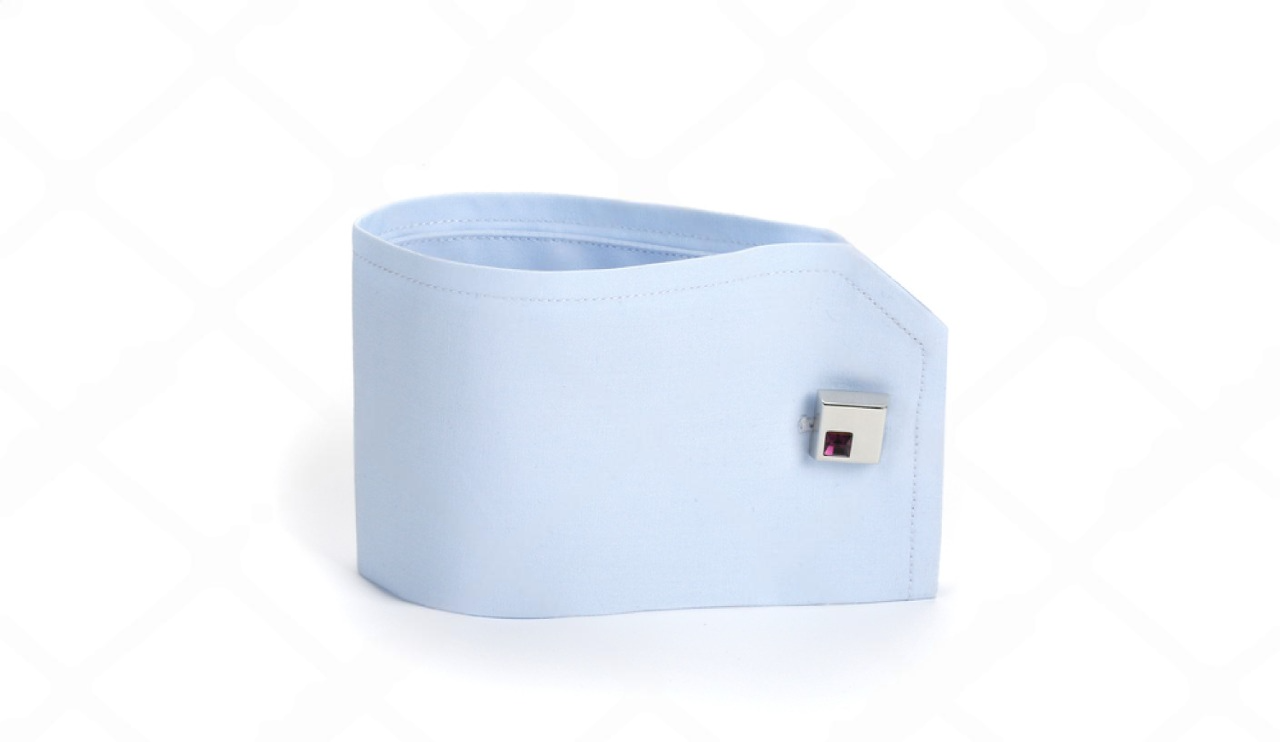
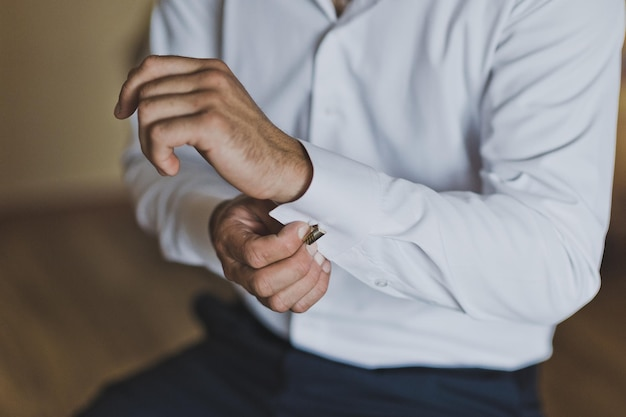
French cuffs, or double cuffs, are a little more formal and require cufflinks to secure them. They are usually longer than barrel cuffs and fold back over the wrist, offering a sleek, polished look. French cuffs evoke sophistication and are usually sported with tuxedos and formal suits.
Key Features:
· Require cufflinks or studs to secure
· Provide an elegant, polished look
· Best suited for formal or semi-formal events
French cuff shirts are the first choice for any formal event, whether it be a wedding, gala, or business meeting of high stature. They add an element of class to any attire.
Convertible Cuffs
Convertible cuffs are designed to be versatile. These cuffs can be secured either with buttons or cufflinks, depending upon the preference of the wearer. They are ideal for those who want to look casual and switch over to formal wear with ease.
Key Features:
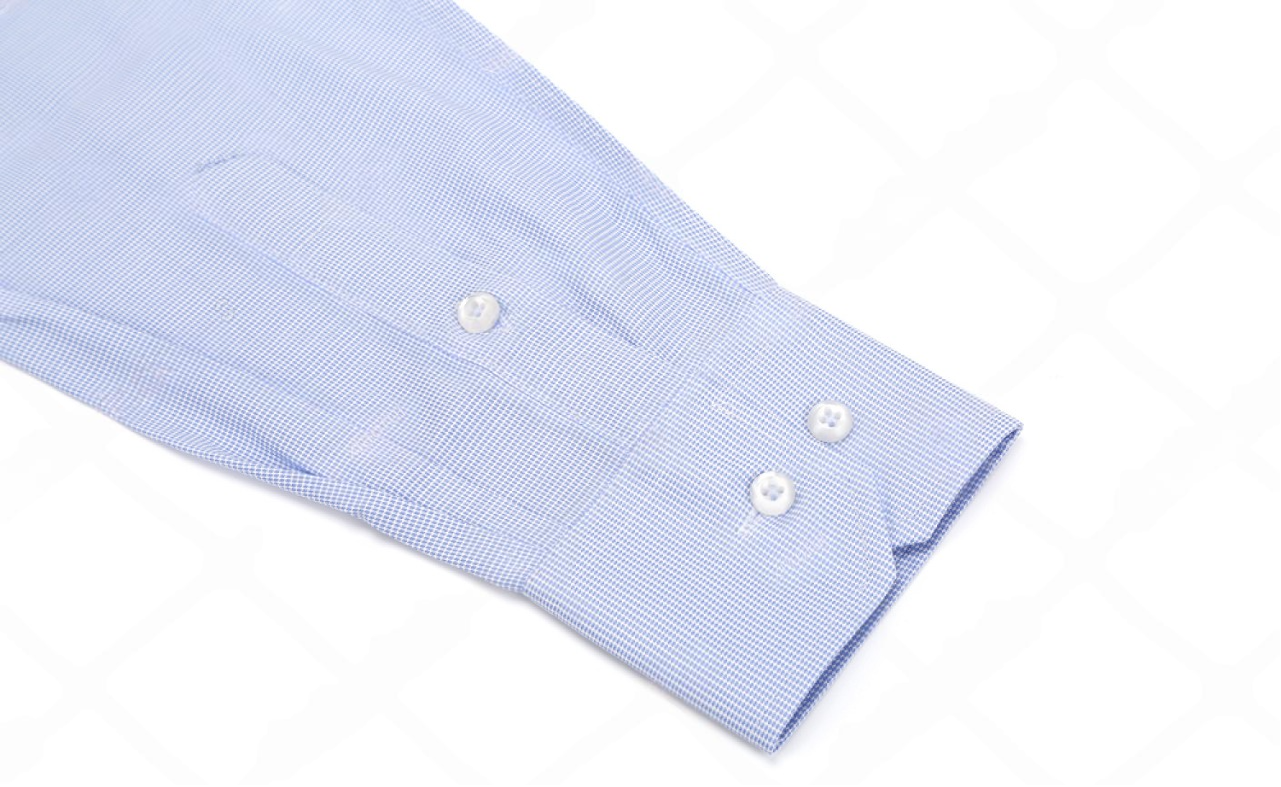
· Can be fastened with either buttons or cufflinks
· Versatile and flexible style
· Ideal for those who want both comfort and elegance
Convertible cuffs are great for individuals who prefer to have a more adaptable wardrobe. Whether you’re heading to a casual day at the office or attending a formal event later on, convertible cuffs provide an easy solution for both.
Cocktail Cuffs
Cocktail cuffs are an uncommonly fashionable option, with a wide, rounded cuff and a distinctive flair. This is usually seen in more modern or avant-garde fashion, where cocktail cuffs are designed to stand out and make a statement. They are less common but can be a bold addition to a creative or trendy wardrobe.
Key Features:
· Wide, rounded shape
· Statement-making and fashionable
· Best for casual or creative settings
If you’re looking for a cuff style that is both fashionable and eye-catching, cocktail cuffs can be an excellent choice for social gatherings or informal events.
How Much Shirt Cuff to Show?
One of the most common questions when wearing a shirt with cuffs is how much of the cuff should show under the sleeve of your jacket. A good rule of thumb is to have about half an inch of the cuff beyond your jacket sleeve. These little things really help to lift your look and add refinement.
Wear a suit or blazer, and the cuffs of your shirt ought to be visible-the perfect subtlety. Casually, you can adjust the amount showing for how you are fashioning yourself, which usually works well in business attire or custom men's casual wear, for that matter.
Choose the Right Shirt Cuff for Your Look
The type of shirt cuff worn can make a big difference in the overall feel of an outfit. Different cuffs are better suited to different occasions, so you'll want to choose one that fits the formality and style of what you'll be attending.
Formal Events
For formal events, such as black-tie dinners, weddings, or galas, French cuffs are the perfect fit. They are synonymous with sophistication and pair perfectly with cufflinks. Opt for crisp, white French cuff shirts for a refined and polished look.
Business and Smart Casual Events
For business or smart-casual occasions, barrel cuffs or single cuffs are the best bet. The former strike a balance between comfort and professionalism. For those who would want to look smarter, you could opt for convertible cuffs which will enable you to easily change over from casual to formal style.
Casual and Weekend Wear
For more casual or weekend outfits, convertible cuffs or even cocktail cuffs can add a fun twist to your shirt. These styles provide a laid-back yet fashionable vibe, ideal for casual outings or informal gatherings.
Customizing Shirt Cuffs
Make it special and take your shirt cuff game to the next level: customize your cuffs. Yes, many of the high-brow makers are now offering bespoke cuffs: pick out the style of the cuff you want, choose your fabrics, and yes, personalize with those monograms or embroidering. Custom shirts made with uniquely designed cuffs are fitting well and look refined according to the exact specifications.
FAQs
1. What are the different types of shirt cuffs?
The major types of shirt cuffs include the barrel cuff, French cuffs or double cuffs, single cuffs, convertible cuffs, and cocktail cuffs.2. When should I wear French cuffs?
French cuffs are meant for formal occasions such as weddings, black-tie affairs, or any event where a refined and polished look may be in order.3. How best can I take care of my shirt cuffs?
To keep your shirt cuffs, make sure they are well laundered and pressed. If you wear cufflinks, be careful not to snag the fabric, and store them carefully to prevent bending or creasing.
4. Are cocktail cuffs a good choice for professional settings?
Cocktail cuffs are best suited to casual or creative environments. They are generally not recommended for formal or professional settings, where a more traditional style of cuff is preferred.5. Is it possible to wear convertible cuffs as casual wear?
Yes, convertible cuffs can be worn casually, as they offer flexibility for both casual and formal occasions, making them ideal for versatile wardrobe choices.
MORE 2024-12-24 -
 What is a Vent on a Suit?
A vent on a suit is basically a slit or opening on the back of the jacket. It allows more room for movement and makes the suit fit better and more comfortable. There is more than one kind of vent; vents are available in several different styles, each having its very own benefits. If you are having your custom formal wear by custom clothing manufacturers, the specific choice will also depend on body shape, the design of the suit, and personal preference.
Below, we are going to consider the types of vents, their influence on the suit's fit, and their relations with tailoring. Knowing the suit vents will thereby grant you the ability to make a choice in favor of what is best for you.
Single Vent
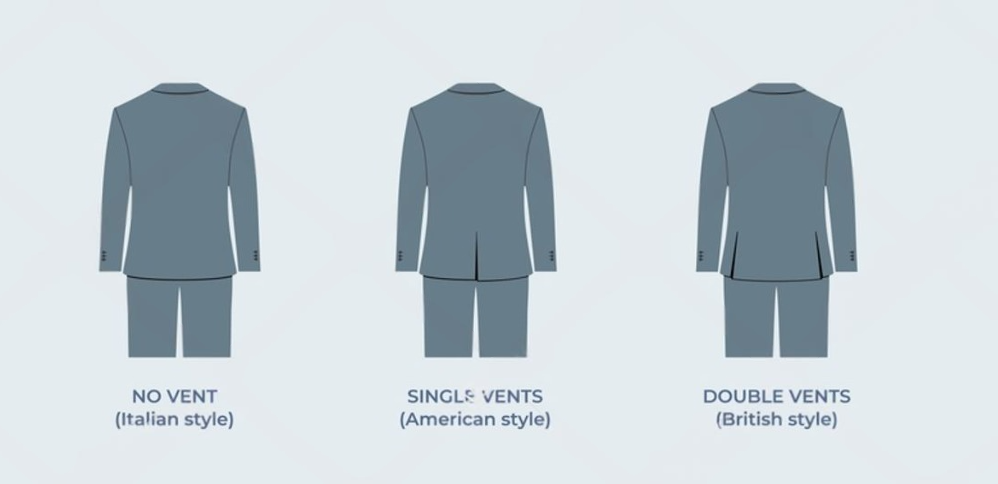
The single vent is the most common style of vent found in suit jackets, especially in traditional designs. Located in the center of the jacket's back, it provides a clean and streamlined look. The single vent is a classic choice and is often preferred for custom Smart Casual attire because of its simplicity and modern appeal.
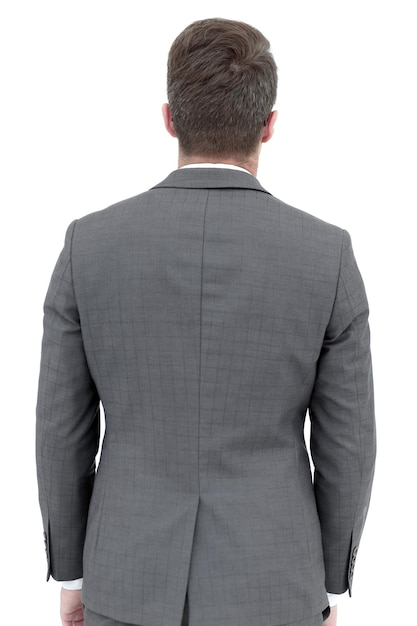
Benefits of a Single Vent Suit:
· Sleek Appearance: The single vent gives a clean-cut silhouette and hence is the favorite of formal and professional attire.
· Mobility: It does not provide as much room, but still, one feels good with this style while moving.
· Versatility: This style suits many body types and is versatile regarding occasions.
However, the single vent might not provide as much freedom of movement as the double vent, which is something to consider if comfort is a priority.
Double Vents
The double vent suit is characterized by two openings at the back of the jacket, one on each side. This style of vent is more common in modern suits and provides a more contemporary look compared to the single vent.
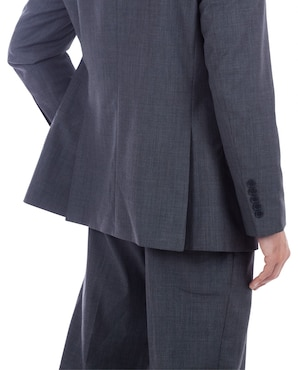
Benefits of a Double Vent Suit:
· Better Movement and Comfort: Double vents allow for more freedom of movement. This is particularly beneficial for people who need more flexibility in their suits.
· Enhanced Shape: Double vents create a more flattering, tailored shape. The vents make it easier for the jacket to follow the natural contours of your body, improving both the fit and the overall look.
· Versatile for Different Body Types: Double vents work especially well for larger body types, since they help prevent the "bunching" that may occur with a single vent.
On the whole, double vents are often considered more modern and stylish; above all, for people who want a more dynamic and comfortable fit.
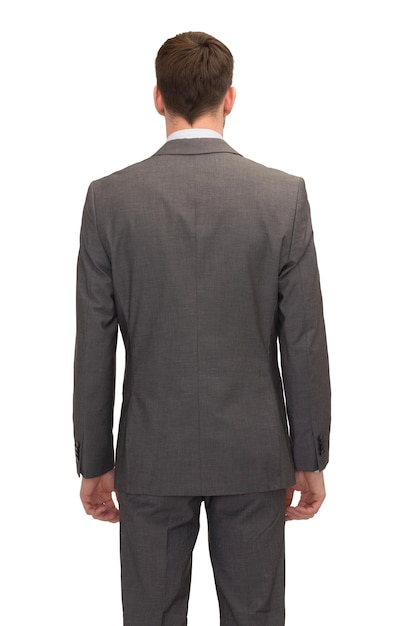
No Vent
Some come with no vent at all. This would normally be applied to conservative or formal suits wherein the single cut of the jacket includes no openings at the rear.
Benefits of a Ventless Suit:
· Streamlined Design: A suit that has no vent can provide quite a clean, flowy outline that is better suited to highly formal events.
· Tailored Look: On leaner individuals, a ventless can give a sleek, close-to-the-body look that's really flattering to the general shape.
However, this will reduce mobility and comfort when compared to other suit styles, especially on people who have to wear the suit for extended periods of time or over an active period. This style is best suited for specific events rather than daily wear.
How Suit Vents Impact the Fit and Comfort of Your Suit
The vent design on your suit has a significant impact on its fit and comfort. The vents allow the jacket to move with your body, especially when sitting or walking. Suit vents also help improve airflow, making the suit more breathable.
Impact on Body Type
Suit vents are another method of affecting how the suit fits on your body. Large body types, for example, are usually much better off in a suit with double vents because there is extra room and no feeling of restraint in the suit. A thinner man would instead opt for a single- or no-vented suit for a trimmer, sleeker appearance.
Suit Mobility and Comfort
Mobility in a suit is critical if one intends to wear a suit for more than the usual periods. In comfort, the double vents should be ideal for any flexibility. You could sit or stand freely in such conditions, as when wearing for a long event or any business meeting with double-vented suits.
Suit Vents and Their Role in Tailoring
The design of suit vents plays a great role in the tailoring process. The vent style can be changed by your custom tailor according to your needs. For instance, if you need more room in the back of the jacket, or if you want the jacket to taper closer to your body, he will be able to choose an appropriate vent type for it.
A well-vent-suited tailoring ensures the jacket fits not only to your body but also to your style. Be it single vent, double vent, or no vent, whatever you choose, the final product will speak of your taste and comfort.
When to Choose a Single Vent, Double Vent, or No Vent
The type of vent to be chosen for your suit depends on a number of factors, including body type, occasion, and personal comfort preferences.
Single Vent Suit
· Best for: Individuals with a slim to average build.
· Ideal for: Traditional and formal settings, where a sleek, professional look is desired.
· Not recommended for: Those who prioritize comfort or need more room for movement.
Double Vent Suit
· Best for: Larger body types or anyone needing more room and flexibility.
· Ideal for: Modern, stylish suits; offers a fitted silhouette with comfort.
· Not recommended for: Very formal occasions when a more traditional look is needed.
No Vent Suit
· Best for: Slim individuals or those needing a completely streamlined look.
· Ideal for: Formal events where a clean silhouette is desired.
· Not recommended for: Long periods of wear or active movement.
Conclusion
Suit vents are a design feature that can make all the difference in fit, comfort, and general appearance. Knowing the difference between single vents, double vents, and ventless suits will give you an edge when buying or tailoring your suit. Whether you go for a single vent to provide that classic look, a double vent for ease of mobility and comfort, or a ventless design to create a sleek, streamlined fit, the right choice depends on your body type, comfort preference, and occasion at hand. If you're purchasing made-to-measure suits online, your tailor will be able to adjust the vent style to ensure that it complements the overall fit and design of your suit.
FAQs
1. What is a vent on a suit?
A vent refers to an opening at the back of the suit jacket, allowing extra room for movement and comfort.
2. What is the purpose of the vents on a suit?
The Vents further enhance mobility and breathability for both fit and comfort of the suit.
3. What is the difference between single and double vent suits?
A single vent is a single slit in the center of the back, while a double vent has two slits, one on each side of the jacket's back. Double vents offer more freedom of movement and a more tailored look.
4. Which type of suit vent is best for a larger body type?
Generally speaking, double vents work best for larger body types since they allow more room and prevent the jacket from bunching.
5. Are ventless suits less comfortable than vented suits?
Yes, ventless suits can be less comfortable since they restrict movement and can feel tight, especially when sitting.
MORE 2024-12-23 -
 Italian Suit Fabrics: A Guide to the Best Italian Fabric Brands
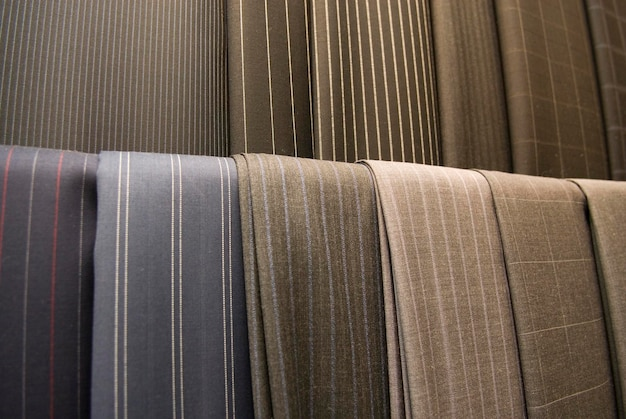
When it comes to high-end tailoring, there's little that rivals the quality and luxury of Italian suit fabrics. Italian fabric brands have made a name for themselves with their excellent craftsmanship, sumptuous textures, and attention to detail across the globe. Be it dressing up for a formal business occasion or in great style for a casual event, the right fabric can really make all the difference with your suit. In this guide, we will explore what core materials are used in Italian fabrics, highlight some of the best Italian fabric brands, and help you choose the best fabric for your needs.
Why Choose Italian Suit Fabrics?
Italian suit fabrics are synonymous with sophistication, quality, and timeless style. Italy boasts a rich history of textile production, and their suit fabrics are among the best in the world. Some reasons why Italian fabrics are in great demand include:
· Quality Craftsmanship: Italian mills have mastered the art of weaving and dyeing fabrics to perfection, with every bolt of cloth nothing but of the best quality.
· Luxurious Textures: Italian fabrics are known for their smooth feel and a soft, rich texture that assures comfort with good breathability.
· Tailoring Tradition: Italian suit fabrics are designed for tailored-fitting, therefore assuring a seamless and structured look enhancing the wearer's appearance.
· Variety: Italian fabric brands range from wool to linen, cashmere, and silk to suit all kinds of tastes and preferences.
Core Materials in Italian Suit Fabrics
Italian suit fabrics are made from an assortment of high-quality materials. Each of these fabrics contributes uniquely to the suit, thereby making it appropriate for various seasons, occasions, and personal preferences. Here is a general overview of core materials in Italian fabrics:
Wool
The basis of Italian suit fabrics is wool. Wool is versatile and light, yet warm; it breathes and it's durable. Of all types of wool, Merino is the most valued for its fine texture and smooth finish. Because wool suits can be worn in most weather conditions, they're always popular, from the business professional to the fashion-forward. For businesses seeking to create a custom formal wear line, wool can offer the ideal material.
Cashmere
For ultimate luxury, there is cashmere. It is finer and lighter than wool, thus offering an exceptional comfort and warmth. Because of its beautiful sheen and feel, Italian cashmere suits are often used on very high formal occasions.
Silk
Silk is another signature of Italian luxury. Less common for suits, as opposed to wool or cashmere, silk is often blended with other materials to add that touch of refinement and shine. It's especially popular for evening wear or special events, as it lends a subtle luster and sophistication. Many custom apparel manufacturers may use silk in evening collections for added elegance.
Linen & Cotton
For a warmer climate or summer season, linen and cotton are a good option. Linen suits breathe well and are lightweight, therefore comfortable in hot weather conditions. Cotton is heavier compared to linen, yet more structured and comfortable to wear while remaining breathable. These fabrics are commonly used for casual or semi-formal suits, ideal for custom Smart Casual designs.
Italian Fabric Brands Understanding
Italy is home to some of the best fabric mills in the world. Following are a few of the best known Italian brands that have set a benchmark in suit fabrics.
Loro Piana
Loro Piana belongs to the most prestigious names in Italian fabrics. From luxurious wool to cashmere and silk blends, fabrics by Loro Piana are used by the best designers all over the world. The name is associated with sophistication, and often one sees it being used for high-end bespoke suits.
Ermenegildo Zegna

Ermenegildo Zegna is an Italian leading fabric manufacturer of premium wool fabrics. For over 100 years, Zegna has been producing some of the finest textiles, and their fabrics are highly regarded for durability, comfort, and luxurious finish. The company is known for pioneering innovative fabric technologies, such as their breathable wool that helps regulate body temperature. Zegna fabrics are a top choice for made-to measure-suits online due to their superior quality and precision.
Vitale Barberis Canonico
Vitale Barberis Canonico was founded in 1663 and is considered to be one of the oldest fabric mills in Italy. This brand is highly regarded for manufacturing fine wool and wool-blend fabrics that have traditionally been used to create the finest classic and modern suits. Their textiles are utilized by a large number of the world's best tailors and are particularly prized for timeless style and quality.
Reda and Marzotto

The other two long-standing Italian fabric brands are Reda and Marzotto. Both these brands provide fabrics of wool and wool blend, while the former is renowned for merino wool and the latter is a lightweight and breathable linen or cotton. They offer numerous choices of various weights to fit all occasions in each season.
How to Choose the Best Italian Suit Fabric for Your Needs
Choosing the right Italian suit fabric depends on several factors, such as climate, occasion, and personal preference. Here’s a guide to help you make the best decision:
Fit and Climate Considerations
If you live in a warm climate, consider lightweight fabrics like linen or cotton for summer months, or a breathable wool blend for year-round wear. In cooler climates, heavier wool fabrics or cashmere blends are perfect since they can be warm yet comfortable.
Fabric Weight and Texture
The weight of the fabric is really important, especially when picking out a suit. The lighter materials like lightweight wool or linen will suit warmer climates, while heavy wool or cashmere allows better insulation when it gets colder. Different textures within these fabrics further influence their external appearance, too: merino wool, a really smooth yarn, conveys a rather sleek, smooth look; tweed or flannel are coarser yarns, which makes them appear far more rugged in style, traditional even.
Durability vs. Luxury
Consider whether you’re looking for a fabric that prioritizes durability or luxury. Luxury fabrics, like cashmere or silk blends, are softer and more comfortable but may require more careful maintenance. Durable fabrics, like high-quality wool, are resilient and long-lasting, making them ideal for everyday wear.
Price Ranges for Italian Suit Fabrics
The prices of Italian suit fabrics can be very varied, depending on the material, brand, and quality. Here's a general idea of what one can expect from the different price ranges of Italian suit fabrics:
Entry-Level Fabrics
Entry-level Italian fabrics, including basic wool blends or mid-weight cotton, generally range between $100 and $300 per meter. These fabrics offer a good balance of quality and affordability, making them suitable for those who want a high-quality suit at a more accessible price.
Mid-Tier Fabrics
Mid-range fabrics include fine merino wool and wool-silk blends. These usually cost between $300 and $600 a meter. They are great for durability, comfort, and style, which makes them popular among professionals and fashion-conscious people.
Luxury Fabrics
The more expensive luxury Italian fabrics-such as cashmere, silk blends, and high-quality wool-could be as much as $600 to $1,500 per meter or even more. Such fabrics are usually made into bespoke suits or high-end designer clothes that will grant the ultimate in comfort, refinement, and exclusivity.
How to Care for and Maintain Your Italian Suit Fabrics
Proper care will ensure your Italian suit fabrics remain in good condition and last longer:
Proper Storage
Store your suits in a cool, dry place away from direct sunlight. Use a padded hanger to maintain the shape of the shoulders and avoid wrinkles. For wool suits, invest in garment bags to protect them from dust and dirt.
Cleaning and Maintenance
It’s best to dry clean your Italian suits occasionally, but avoid frequent cleaning to preserve the fabric’s integrity. Wool and cashmere fabrics can be gently brushed to remove dust, while linen and cotton may require more frequent washing. Always follow the care instructions provided by the fabric manufacturer to keep your suit looking pristine.
FAQs
1. What is the best fabric for an Italian suit?
Wool generally comes highly recommended as one of the best fabrics to consider for an Italian suit since it's versatile, comfortable, and durable.
2. How much does Italian suit fabric cost?
Prices for Italian suit fabrics go from $100 to $1,500 per meter, again depending on the type and brand.
3. Is wool the best material for Italian suits?
Yes, wool is the most popular and widely used material for Italian suits, offering a perfect blend of comfort and luxury.
4. What are the most popular Italian fabric brands for suits?
Some of the best Italian fabric brands for suits include Loro Piana, Ermenegildo Zegna, Vitale Barberis Canonico, Reda, and Marzotto.
5. What are the differences between Italian and English suit fabrics?
Italian fabrics are usually softer and lighter, while the accent is on luxurious finishes; English fabrics are sturdy, heavier, and used for more structured classic suits.
MORE 2024-12-18