-
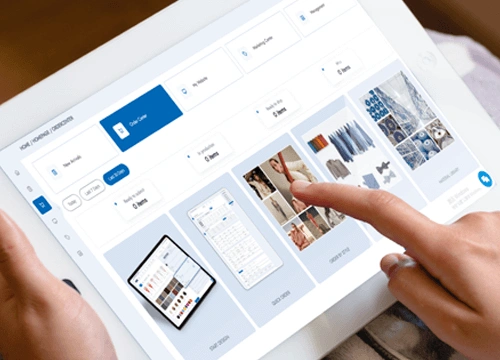 Buy Custom Suit Online: A Step-by-Step Guide
Buying a tailored suit online-a blend of convenience, style, and personalization. From choosing the perfect fabric to customizing the smallest details, the online experience has revolutionized how suits are made to fit your exact needs. This guide will walk you through each step of the process so you can get a suit tailored just to your preferences without leaving your home.
Why Buy Custom Suits Online
Advantages of Buying Custom Suits Online
One of the primary reasons to buy a custom suit online is the unparalleled level of customization. When you purchase a ready-to-wear suit, it can often involve multiple alterations to fit properly, which can be very time-consuming and costly. You don't have that problem when you buy made-to-measure suits online because they will be made exactly to your measurements and style preferences from the beginning. More importantly, online custom suit services give you a wider range of fabrics, styles, and options to personalize your suit than what is normally made available through a physical store.
Personalized Fit and Style with Online Customization
By using the online platform for your custom suit, you are able to tailor everything about the suit to suit your style fabrics and colors to lapel style, and even lining details. The ease of selection of these elements online is simply unbeatable. Additionally, many online custom-suit providers offer advanced tools such as virtual try-ons, making the process both fun and interactive.
Step 1: Selecting the Right Style When You Buy Custom Suit Online
Choose Your Ideal Suit Fit
The first part of the process of buying a custom suit online is to choose the overall style of your suit. First, you have to choose the type of fit that works for you. Would you prefer a slim, modern cut that fits closer to the body, or are you more comfortable in a classic, slightly roomier cut? Fit will make the biggest difference in how the suit looks and feels; hence, choosing a style cut to fit you and what appeals to your sense of style.
Single-Breasted vs. Double-Breasted Options
The other crucial stylistic choice is between a single-breasted and a double-breasted suit. The single-breasted has one row of buttons and is more comfortable to wear, from simple business meetings to formal ones. In turn, the double-breasted provides two rows of buttons and is more formal and refined, thus reserved for major events or very fashion-forward settings. Consider the occasion and your style.
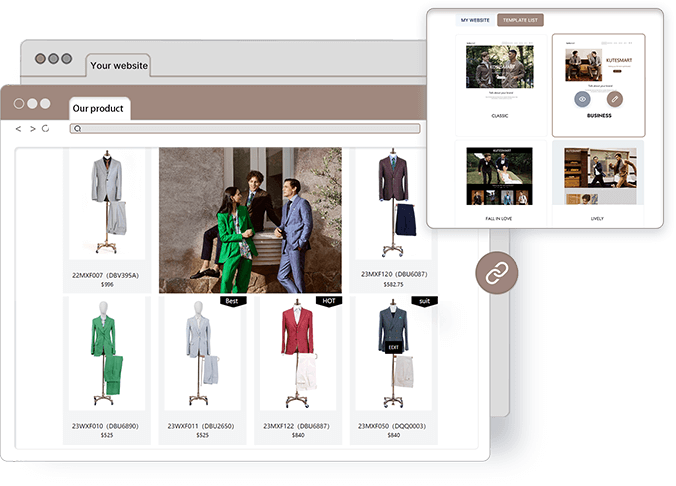
Step 2: Select Your Custom Suit Fabric
Selection of Premium Fabrics
Fabric is probably the most important thing about any bespoke suit. Online custom apparel manufacturers have a variety of high-quality fabrics: from classic wools to lighter linen to luxurious velvet. When you choose your fabric, keep in mind not only how it looks but also how it feels and functions. High-quality wool is a favorite for its durability and ability to maintain its shape, while linen suits are popular for summer due to their breathability.
Choosing Fabrics Based on Season and Occasion
Your choice of fabric should also depict the season and occasion it is going to be worn. Warmer and heavier fabrics, such as wool or tweed, are best for colder months, while lighter ones, such as cotton or linen, would serve well during spring and summer. For formal events, like weddings or black-tie occasions, try to put on luxurious fabrics such as velvet or silk blends, since they add some classiness.
Step 3: Customize Suit Details for a Personal Touch
Customize Lapels, Pockets, and Buttons
One of the huge advantages of buying a suit online, tailor-made, is that you get to tailor everything. First, there is the lapel style: sharp peak lapel for a bold look or rounded shawl lapel for more formal occasions. Second, choose your pocket style: flap, jetted, or patch pockets. And lastly, you can opt for personalized buttons, which can range from simple and unobtrusive to bold and quirky, adding to the overall effect.
Personalize with Linings and Monograms
To make your suit even more personal, pick an interesting lining fabric or have a custom monogram stitched inside the jacket. Most custom suit platforms offer a number of linings in color and pattern that will let your personality pop through even in minor details. You may add a monogram on the inside of the suit jacket, perhaps with your initials, adding personality to your suit and differentiating it from any bought off the rack.
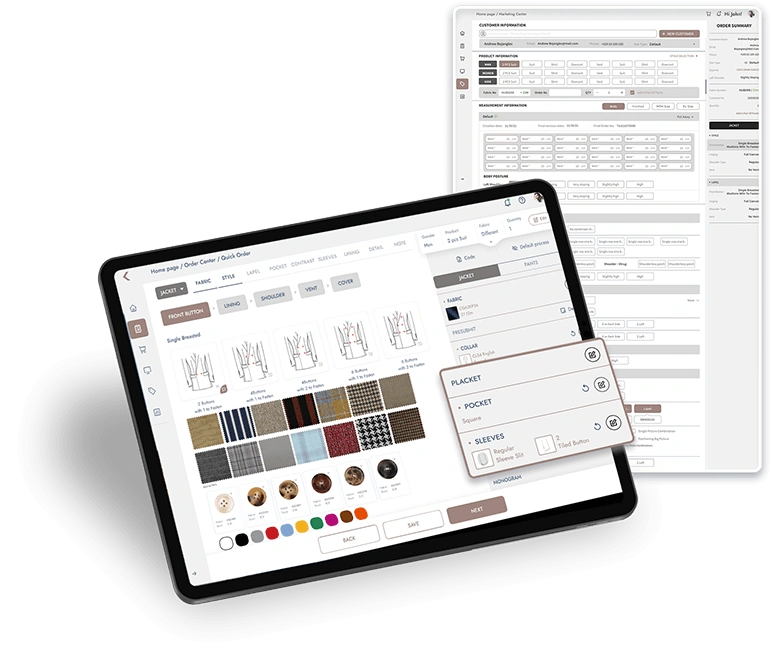
Step 4: Ensuring the Right Fit for Your Custom Suit Online
Using Kutetailor’s Online Measurement Guide
The right fit makes the difference between a tailor-made suit and an off-the-rack one. Online tailoring services, like Kutetailor, usually have an easy measurement guide that is easy to follow. It guides you on what exactly needs to be measured from your body. The minute attention paid to this ensures that the fitting of the suit will be flawless. Some services provide professional measuring on-site for maximum accuracy.
Virtual Try-Ons and 3D Suit Previews
In addition to offering precise measurements, some online platforms allow customers to use virtual try-on features or 3D previews. These tools support visualizing just how the suit is going to look on one's body so that one feels satisfied with their style, fit, and fabric choice before closing a deal.
Step 5: Previewing and Confirming Your Custom Suit Design Order
Final Design Check Before Buy Custom Suits Online
Always confirm the final design for an order confirmation before confirming your purchase. This final check ensures that you’ve selected the right style, fabric, and customization options. Double-check measurements, review customizations like lapels, linings, and buttons, and ensure that you are satisfied with the overall look of the Made to Measure Men's Suits.
Payment, Confirmation, and Delivery Options
Once you’ve confirmed the design, the next step is finalizing your order. After completing payment, most online platforms provide a confirmation email with a detailed summary of your purchase. Delivery options are different with respect to your location and the platform you use, but many offer expedited shipping for urgent orders.
Tips for a Successful Custom Suit Purchase Online
Consulting Style Experts and Customer Support
Even though everything is on the website for getting the right fit, very often you may need professional advice. Kutetailor will provide customer support and consultations with style experts. Our professionals can guide you in the selection of fabric, fitting, and design so that your decision is a confident one.
Reading Reviews for Insight on Quality and Fit
Another helpful tip when buying a suit online is to read customer reviews. See reviews regarding fabric quality, proper fitting, and good customer service. Reviews will help one get important information concerning experiences gained by other buyers and therefore make appropriate choices about the right provider to place an order for your custom suit.
Hope the above guide is helpful to you.
FAQ
1. How long does it take to receive a custom suit ordered online?
Most of the online custom suit platforms deliver in 4-6 weeks. This timeline is related to the complexity of your order and your location.
2. Can I order custom suits online for large groups or corporate events?
Yes, most custom-suit providers can definitely offer bulk ordering options for businesses and corporate events. You can reach out to their customer support regarding special pricing and timelines for bulk orders.
3. what if the suit doesn’t fit perfectly when it arrives?
Most websites will either offer adjustments or alterations. Also, make sure to check the return and alteration policies for each store before buying.
MORE 2024-10-28 -
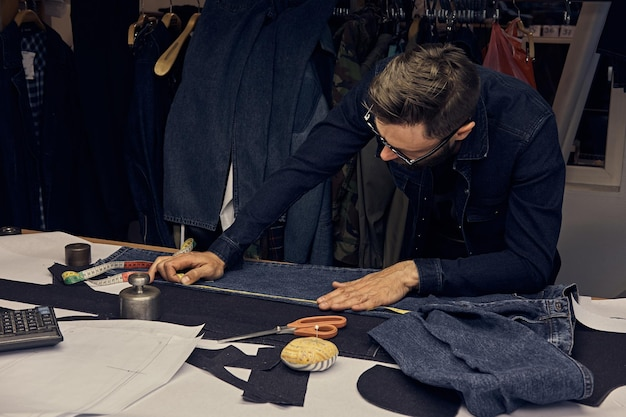 Business Guide: How Long Does It Take to Tailor a Suit?
When businesses are after finding tailored suits for employees, executives, or corporate events, among the very first things to consider is the timeline. How long does it take to tailor a suit, especially in the instance of bigger orders or very bespoke designs? This guide details some of the key factors that usually influence the timeframe for customized business suits, common delays to look out for, and gives some tips that will ensure suits are delivered on time without sacrificing quality.
Key Factors That Influence the Timeline for Custom Business Suits
Several variables impact how long it takes to tailor a custom suit, especially for corporate or business purposes. From the size of the order to the fabric chosen, understanding these factors can help you better plan your timeline and avoid delays.
Order Size and Customization Complexity
The total number of suits ordered automatically affects the turn-around time. A few orders for a handful of executives will be quicker in time compared to ordering wholesale for an entire department or staff. Also, the more customization that is ordered-like custom measurements, special lining, custom embroidery, or alterations-automatically extends the production process.
Bulk corporate orders are often tailored to each individual. This heightens the time that is taken during initial measurement and fitting. Companies that require detailed specifications, like color linings, personalized monograms, or a certain pattern of fabric, would take more time since all such factors take more time to avail and prepare.
Fabric Selection and Availability
Not all fabrics are in stock, and many high-end or rare materials are specially ordered, delaying production. Production time is significantly shortened with in-stock fabrics, while custom or specialty fabrics will extend this time due to ordering and processing. If your fabric is rare or foreign, it may take a bit more time to acquire it, especially if it is in demand or out of season.
Fabric selection also affects production speed. For instance, heavier fabrics such as wool might take longer to work with due to the more detailed craftsmanship required, whereas lightweight fabrics like cotton or linen may speed up the production process. Consulting with your custom suit provider can help you select fabrics that balance your company’s style goals and delivery deadlines.
Production Capacity and Seasonality
The production capacity of the tailoring shop influences turnaround time a great deal: during peak seasons, such as wedding months, holidays, or major business events, more orders will be processed in the production lines, which can result in delays. Tailoring shops usually work on big, high-stakes orders first, slowing down the production process for those little businesses or those who wait until the last minute to place their order.
This makes it essential to consider the time of year when placing your order, as busy periods can increase wait times. Working with a manufacturer like Kutetailor, which has the production infrastructure to manage bulk orders even during peak times, can help reduce the risk of delays.

Typical Turnaround Time for Custom Suits in Corporate Orders
The typical timeline for custom business suits can vary depending on the processes involved. Here's a general breakdown of what to expect at each phase:
Initial Consultation and Measurements
Consultation and measurement come first. This phase usually takes 1-2 weeks. It involves discussing design preferences, fabric options, and taking precise body measurements for each individual. This might take a little longer if there are bulk orders, depending on the number of people to be fitted.
At this stage, clients can specify their requirements concerning branding, corporate colors, or other aspects of suit design representing company image. They are also allowed to choose the style they want between a bespoke formal suit and a custom Smart Casual suit. Accuracy in measurement is an important factor at this stage of the process in order to avoid delays in the latter stages of the process, as a mismeasurement in the first stage may require repeated adjustments in the second or final stage.
Design Confirmation and Fabric Selection
Confirming design and selecting fabrics usually takes an extra week after the measurements are taken. Confirmation of final suit designs and fabrics is made in this period, with the order passed to the tailoring team.
This is where everything should fall in place, from pocket designs to styles of lapels and even embroidery, if the customer requires it. Any last-minute changes in this phase may extend the turnarounds, so it's better to iron out all decisions early.
Production and Quality Control Phases
The production follows the confirmation. For custom-made business suits, production can take anywhere from 3-6 weeks, depending on the complexity and the number of suits in the order. Once the suits are produced, they undergo a strict quality control process to ensure they meet the desired standards. This process ensures consistency in stitching, fit, and design across all suits in bulk orders.
Businesses that order a large number of suits for events or employees should also allow more time in this stage, considering that the bespoke might have complex hand stitching or detailed construction.
Final Fittings and Delivery
After production, final fittings are scheduled to ensure the suits fit perfectly. Minor adjustments may be needed, which could take an additional week. When the final fittings are done, the suits are made ready for delivery.
For corporate clients, it’s important to schedule this fitting phase early enough to ensure that final adjustments don’t interfere with your company’s timelines. If multiple employees require fittings, coordinating these schedules in advance is essential.
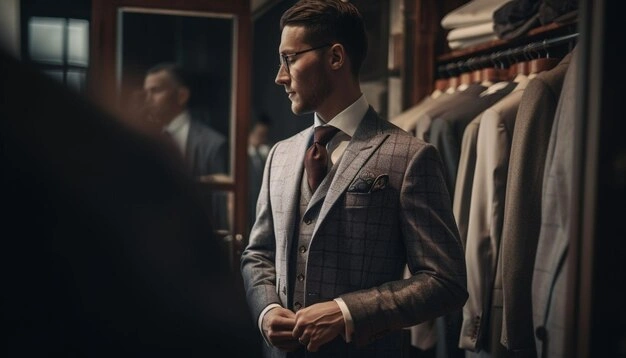
Comparing Timeframes for Made-to-Measure vs. Bespoke Suits
The type of customization you choose will impact the turnaround time. Below is a comparison between the timeframe for Made-to-Measure men's suits and bespoke men's suits:
Differences Between Made-to-Measure and Bespoke
• Made-to-Measure (MTM):
MTM suits are based on pre-existing templates that are adjusted to fit individual measurements. At this option, one can make it custom; it would take less time since the general pattern has already been made.
• Bespoke:
Bespoke suits are completely made from scratch; thus, these are the most personalized. Everything about the suit, from the pattern to the fabric, is individually drafted for the customer. Because of this, bespoke suits take much longer to make.
Estimated Turnaround for Each Customization Type
• Made-to-Measure: A typical turn-around is 4-6 weeks.
• Bespoke: Due to the detailed craftsmanship involved, bespoke suits can take 8-12 weeks or longer, especially for large or complex orders.
Bulk Order Timeline for Custom Business Suits
Custom suits ordered in bulk will take a different timeline from that of an individual order. Here's what businesses should expect:
Average Turnaround for Bulk Corporate Orders
For bulk corporate orders, the average turnaround time ranges from 6-10 weeks, depending on the size of the order and the complexity of the designs. Bulk orders need extra time for coordination, taking measurements, and production.
Rush Options to Shorten Turnaround Time
Most tailor-made suit houses will offer a rush option for those businesses that require suits more quickly. This does cost extra, though. Businesses can also help expedite the design process by choosing in-stock fabrics and simplifying design options.

Tips for Reducing Custom Suit Turnaround Time for Businesses
To ensure your custom business suits are delivered on time, here are some tips to streamline the process:
Planning Ahead for Large Orders and Events
The best way to avoid delays is to plan ahead, especially for large orders or events like corporate retreats, conferences, or year-end functions. Allow ample time for the completion of an order by well-in-advance consulting and measurement.
Choosing In-Stock Fabrics for Faster Delivery
In-stock fabrics can save quite a bit regarding turnaround time. With easily accessible materials, your business will not have to go through downtime because of a lack of inventory in fabric or shipping times required for special materials.
Effective Communication with the Tailoring Team
Clear and consistent communication with your tailoring team is essential for staying on schedule. Quickly respond to confirm your design specifications. Ensure timely approval of your fabric choices and that all your measurements are sent in promptly.
Common Delays in Tailoring Business Suits and How to Avoid Them
Even with the best of efforts, delays could still happen, and here are some common causes of delays and how businesses can avoid them:
Fabric and Material Shortages
Some fabrics or materials might not be in stock temporarily. This could delay production. Choosing other types of materials or selecting only in-stock fabrics can help avoid this problem.
Design Modifications During Production
Changing the design in the middle of production will highly hinder the process. All details of the design should be nailed during the consultation phase to avoid changes in the middle of production.
Peak Season Impacts
Tailoring shops usually have a long waiting time during holidays or wedding seasons. To avoid this, try to place orders in the off-peak period or give extra time for production if you order in peak season.
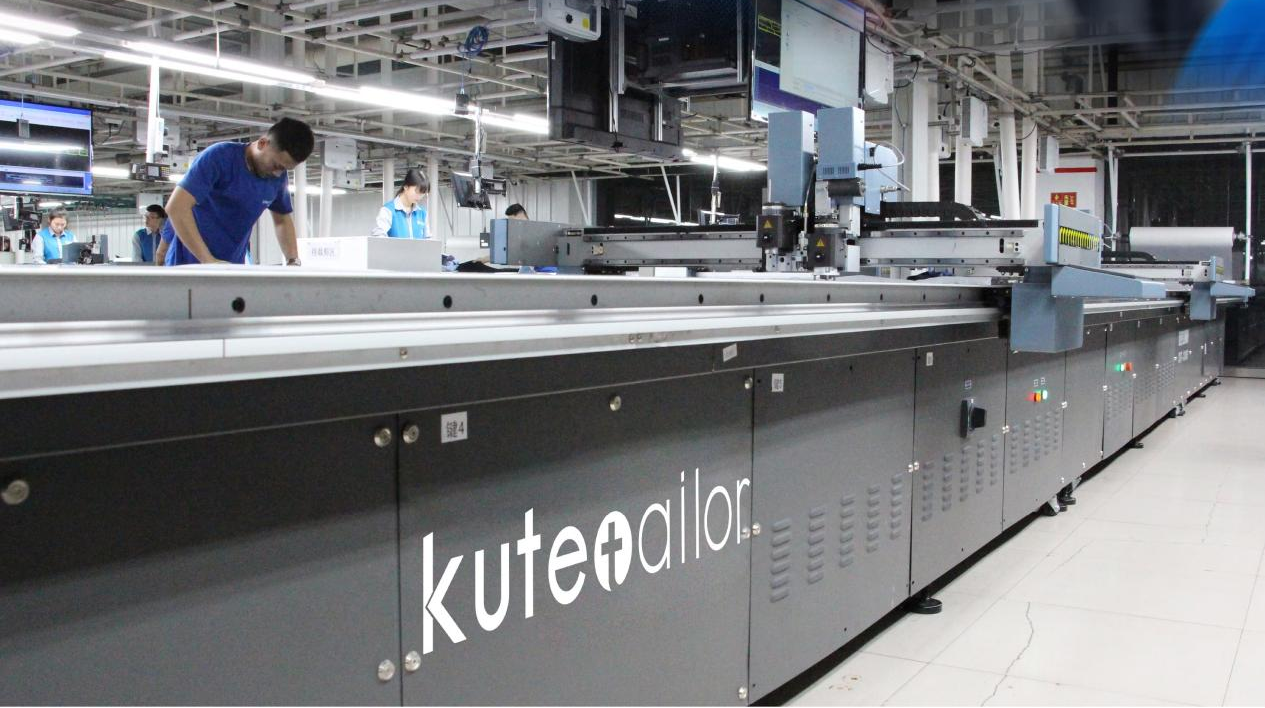
Conclusion: Partnering with Reliable Custom Suit Manufacturers Like Kutetailor
When it comes to large corporate orders for custom suits, choosing a reliable manufacturer like Kutetailor can make all the difference. With streamlined production processes and years of expertise, Kutetailor ensures that your custom business suits are delivered on time without compromising on quality. For businesses, planning ahead and maintaining open communication are essential to meeting deadlines. Contact Kutetailor today and let us discuss how we can meet your corporate custom suit needs precisely, professionally, and effectively.
MORE 2024-10-25 -
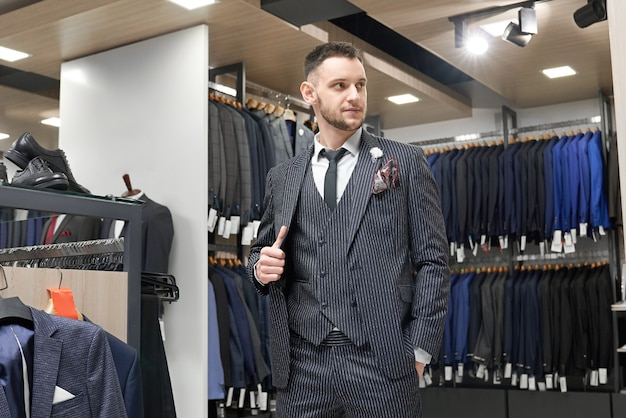 Custom Suit Color Guide: Choosing the Right Shade for Every Occasion
Choosing the right suit color goes beyond completing a look; it’s key to representing your business’s image or creating the perfect tone for any event. Whether you're outfitting employees for corporate events, providing tailored suits for weddings, or designing more casual looks for special occasions, selecting the right colors ensures a consistent, polished, and professional appearance. This guide will help you choose the best shades for various business settings and social events, making sure they reflect your company’s identity or the occasion’s style effortlessly.
Why Choosing the Right Color Matters in Custom Suits
Setting the Tone with Suit Colors
The color of your suit will go a long way in setting the tone for how one is perceived. Dark colors like black, navy, and charcoal gray show an air of command, professionalism, and formality. Lighter shades, such as beige or light gray, provide less of an air of formality and may allow others to perceive you as more casual or approachable.
The Power of First Impressions with Custom Suit Colors
When you're meeting someone for the first time, whether it's a client or attending an event, your suit color can make a strong first impression. Dark colors represent seriousness and competence, while brighter or lighter colors are looser and even show creativity and confidence. That is why choosing the right color for a custom suit is crucial when making the impression you intend.
Classic Custom Suit Colors and Their Meanings
Some suit colors are timeless and universally accepted for various occasions. Let’s break down the meanings of these classic colors:
Black
Black is a staple in custom formal wear. It's classy and commanding, so the color is suitable for black-tie events, weddings, and formal business meetings. However, black can sometimes feel too serious for casual or business-casual settings.
Navy
Navy is one of the most versatile colors available in suits. It conveys professionalism without the severity of black, thus making it perfect for business settings, interviews, and formal events. Navy works well with many accessories and shirt color combinations, further adding to its versatility.
Gray
Gray suits can balance formal and casual. Charcoal gray would be for business and formal ones, while lighter shades of gray could be worn in more relaxed environments or even in casual business meetings.
Brown
Brown suits go in any event at daytime and casual settings. Brown is less formal than black or navy, but creates a warm, approachable appearance that makes it popular for outdoor events or social gatherings.
Blue
Smaller shades of blue, such as royal or cobalt, easily adapt to more casual settings and to spring or summer events. These colors bring in a little more character and are ideal for daytime weddings or social gatherings.
Choosing the Right Suit Color for Different Occasions
Formal Events and Weddings
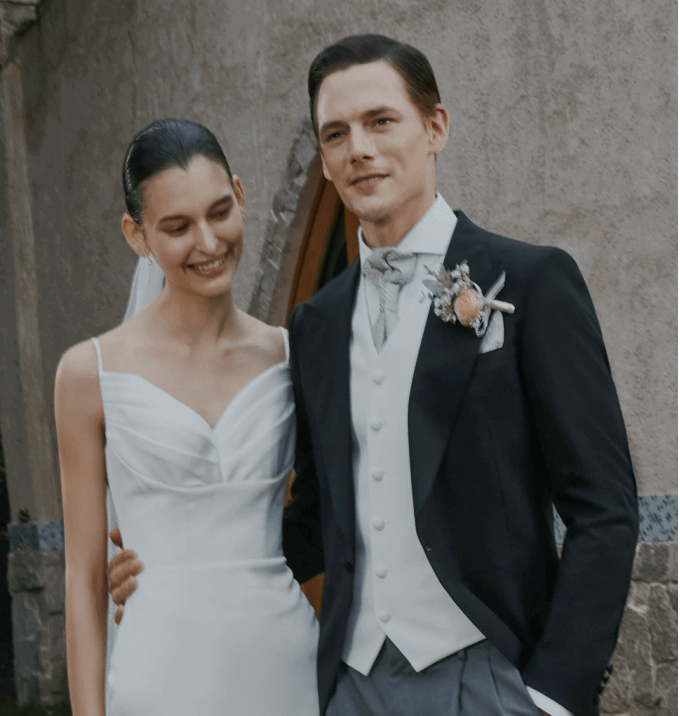
Black, navy, and charcoal gray are dark colors highly suitable for formal occasions such as weddings and black-tie events. These colors denote elegance and sophistication, which perfectly complement the formality of the occasion. Custom men's suits in these shades, along with custom women's wear, can ensure both parties achieve a cohesive and stylish look, reflecting personal style while maintaining the elegance required for such prestigious events. Together, these custom outfits offer a harmonious balance of individuality and refinement.
Business and Professional Settings
Traditional colors like navy, charcoal, and light gray would be perfect for business meetings, interviews, and any corporate setting. These colors reflect a professional commanding look without showing extreme formality.
Casual and Social Gatherings
Less formal events and social gatherings can afford the experimentation with lighter or even brighter colors, like blue, beige, and even a bold burgundy. These colors help bring out their persona while maintaining the overall lightness and casual feel of the attire.
Seasonal Suit Color Guide for Custom Suits
As the weather changes, so does your wardrobe. Here's a breakdown of the best suit colors by season:
Spring and Summer Colors
For hotter months, colors should be light. Think light blue pastels, soft grays, or beige shades. Not only do these colors reflect heat and, therefore, keep you cool, but they actually feel like spring and summer-fresh and vibrant.
Fall and Winter Colors
Navy, charcoal gray, and dark brown are great for the colder months. Each of these darker, richer hues offers warmth and sophistication and complements the darker tones of winter, yet still maintains a formal edge.
Year-Round Colors for Versatile Style
Colors like navy and medium gray are versatile enough to wear all year long. These shades adapt well to any season, making them a safe, go-to choice for anyone looking to invest in a custom suit with year-round wearability.
Not only that, but seasonal suit color needs articulation through the right fabric to fully express both comfort and style. For example, lighter fabrics-conditions such as linen or cotton-are perfectly fit for spring and summer and complement soft shades like beige or pastel blue. On the other hand, fall and winter require wool or flannel for that matter excellent fabrics for the time of year, providing warmth and giving structure to a suit when paired with darker colors such as navy or charcoal. By picking both the right fabric and color, you can assure yourself that your suit will look the part and not be uncomfortable for the majority of the year.
Matching Suit Colors to Personal Style and Skin Tone
Based on Skin Tone
One of the most important factors in selecting a suit color is how it complements your skin tone.
· Light Skin Tones: Darker colors like navy and charcoal work best as they provide contrast.
· Medium Skin Tones: Pick general shades of medium gray, blue, or beige because those would complement your natural color best.
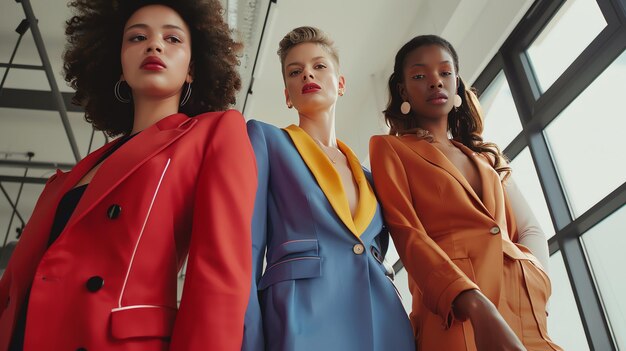
· Dark Skin Tones: Lighter and bolder colors, such as royal blue or light gray, enhance your features and provide an attractive contrast.
Tailoring Suit Colors to Match Individual and Business Identity
Your suit color is an extension of your personal style. Whether you're conservative and prefer traditional colors like black and navy, or more adventurous and lean toward vibrant hues, your suit should reflect your personality. Custom suits allow you to tailor every detail, including fabric and color, to match your unique style.
You ensure your suit becomes part of your signature look by using colors that resonate with your personal style. For businesses, color can be used to denote corporate branding by steering the looks of their custom suits toward what the company is generally about. Using shades of blue or gray in custom business suits can subtly reinforce professionalism and reliability, messages most brands want to relay. It's in making sure those colors are personalized down to accessories, like ties and pocket squares, that this becomes even further magnified and helps your outfit deliver a cohesive, polished statement.
Accessorizing to Enhance Suit Colors
Accessories like ties, pocket squares, and shoes can significantly impact the overall look of your suit. For example, pairing a navy suit with a bold red tie creates a strong statement, while a gray suit with a pastel pocket square can soften the look for a more casual event.
Common Mistakes to Avoid in Choosing Custom Suit Colors
Selecting Colors That Are Too Bold for Formal Events
While it may be tempting to go for bold or trendy colors, they might not always be appropriate for formal events. Stick to classic, time-tested shades for formal settings to avoid standing out for the wrong reasons.
Ignoring Season and Fabric Compatibility
The color should also be seasonal: a light color is out of place in a heavy fabric during summer, just as it would be wrong to wear wool in anything that is too bright during winter.
Following Trends Without Considering Suitability
Trendy colors come and go, while classic colors remain forever. Avoid choosing colors simply because they are in trend, for they may not suit your occasion or your long-term wardrobe needs.
Expert Tips for Choosing the Perfect Suit Color
Experiment with Swatches
Before making a final color decision, test fabric swatches in a number of different lights with various colors. Swatches can also help you get a sense of how the fabric will drape and feel.
Consult with Custom Suit Experts
At Kutetailor, we understand the unique needs of businesses when it comes to corporate attire. Our experienced team is here to assist you in selecting the best fabrics and colors to align with your company’s branding and professional image. With years of expertise in tailoring and fabric selection, we’ll guide you through every step of the process, ensuring that your custom suits reflect your business’s values and meet your specific requirements for any corporate event or occasion.
Balancing Professional Style, Comfort, and Functionality
When picking out the color of business suits, there needs to be a balance between professional style, comfort, and workplace suitability. A suit of well-chosen color complements the corporate brand and will actually help relay the correct message for that particular service, whether it is a client meeting or an industrial event. A thoughtfully chosen color needs to align with the professional image your business wants to project, yet remain practical and comfortable for your team.
Conclusion: Selecting the Perfect Color for Your Custom Suit
Choosing the color of your business's tailored suits is all about achieving a balance among style, occasion, and functionality. Consider classic corporate suit colors, the time of year for your events, and how the contrasting colors reflect your brand's identity. Let Kutetailor guide you in crafting custom suits from high-quality fabrics, professionally styled, and with perfect fittings to have your business step out in confidence and sophistication on any occasion.
MORE 2024-10-24 -
 How to Choose Custom Suits for Different Occasions
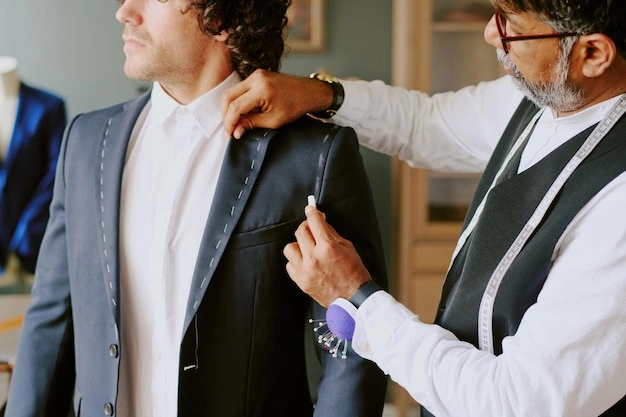
When it comes to dressing for important occasions, nothing quite matches the sophistication and confidence of a well-tailored custom suit. Whether an office meeting, a wedding function, or a casual get-together, a good suit can undoubtedly make a head-turning difference in your overall appearance. However, with so many choices of styles, fabrics, and details, the task of selecting the right custom suit is overwhelming. This guide will help you to choose the ideal custom suit for different occasions so you can walk into any event feeling sharp, polished, and ready to impress.
Why Custom Suits Matter
A custom suit is not just about looking good; in fact, it reflects your style and is a crucial element in your wardrobe that makes you feel confident and comfortable in every detail. Unlike off-the-rack options, custom suits are crafted according to the precise body measurements of the wearer, ensuring a perfect fit that enhances your body shape.
The construction quality, accessories, style customization, and attention to detail make a custom suit a long-term investment in your wardrobe. Whether you’re attending a formal event, business meeting, or special occasion, a well-made custom suit reflects your individuality and leaves a lasting impression. In addition to this, you can pick the fabrics, colors, and certain design features, so you have the flexibility to match your unique style according to the specific event you're dressing for.
Business Formal Attire
Business formal attire is the most polished and professional dress code. It is usually required in
1、Executive-level meetings
2、Corporate conferences
3、Job interviews for high-ranking positions
4、Formal client presentations
5、Boardroom meetings
6、Business galas or dinners
Business attire is all about projecting a sense of authority, competence, and refinement. This style usually consists of a well-tailored suit, dress shirt, tie, and formal shoes, all in conservative tones and high-quality materials.
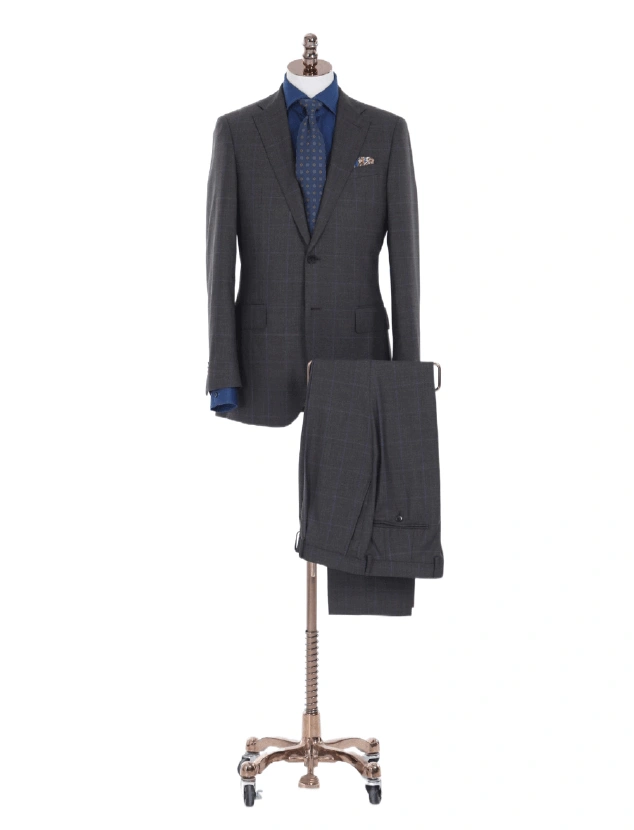
Styling Tips for Business Formal Attire
Fabric Choices
The most common fabric choice for a business suit is wool, which gives it a clean, luxurious finish. Tweed or flannel suits are suitable for colder months as they offer warmth along with a professional look. Linen or cotton custom suits in darker tones for warmer months maintain formality.
Color and Pattern
The most versatile and professional colors for business suits are:
1、Charcoals
2、Dark greys
3、Navy blues
4、Black
For patterns, a subtle pinstripe adds personality to your suit while maintaining a business-appropriate look. However, avoid bold patterns or flashy colors, as they can distract from the professional tone.
Accessories
To make your business look more refined, you can add:
1、Tie - Stick to classic patterns like stripes or solids in silk
2、Pocket square - A simple folded pocket square in a mute tone
3、Belt - A leather belt matching the color of the shoes
4、Shoes - Brown leather Oxford or Derbies shoes
5、Cufflinks
Business Casual Attire
Business casual attire strikes a balance between professionalism and comfort, offering a more relaxed alternative to traditional business formal wear. It’s less rigid but still polished enough for professional settings. This style is often adopted in workplaces with a more creative or collaborative environment, allowing for a bit more personal expression while maintaining a neat and put-together appearance. It is suitable for:
1、Daily office wear in non-corporate settings
2、Casual client meetings
3、Networking events
4、Business lunches
5、Casual presentations
6、Creative or tech industry work environments
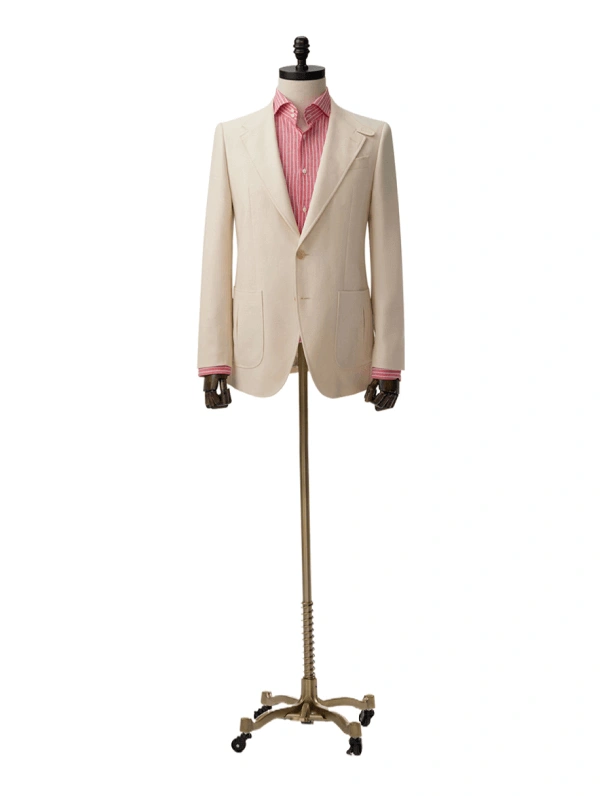
Styling Tips
Blazer and Shirt
A well-fitted blazer or sports coat instantly elevates a business casual look. Choose lightweight fabrics like cotton or linen for warmer weather and wool or tweed for cooler months. Opt for dress shirts or Oxford cloth button-down shirts (OCBD) in solid colors, checks, or subtle patterns. Avoid overly bold prints or casual styles like Hawaiian shirts. A high-quality polo shirt can work in less formal settings but should be well-fitted and in neutral tones.
Pants
Chinos are a staple of business casual. They are comfortable and professional. Choose classic colors like khaki, navy, or grey. Tailored trousers in wool or cotton are always a safe choice, providing a refined appearance without the formality of a full suit.
Accessories
To make the casual look more professional, you can add
1、Belt - A leather belt in a neutral tone (black, brown, or tan)
2、Watch - A simple, elegant watch
3、Shoes - Loafers in leather or suede, Brogues or Derbies, or sneakers in a more relaxed setting
4、Tie - A tie is optional, but if you wear one, choose a simple pattern.
Evening Wear
Evening wear calls for a suit representing elegance and sophistication, like a tuxedo or a dark custom suit. Evening wear is a more formal dress code reserved for events that typically take place after 6 p.m., such as
1、Gala dinners
2、Black-tie events
3、Formal weddings
4、Upscale parties
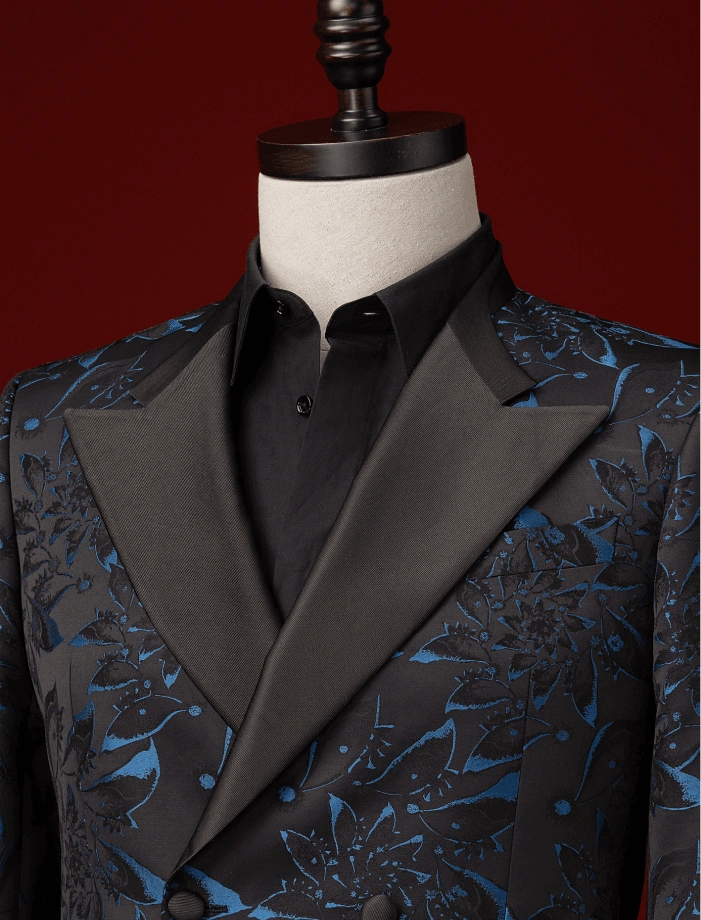
Styling Tips
A tuxedo is essential for black-tie events. Choose a classic black or midnight blue tux with a pleated or pique bib-front shirt. If the event is formal but doesn’t require a tuxedo, opt for a dark custom suit in black, charcoal, or navy paired with a simple dress shirt in white or light blue.
Accessories
Bow Tie - A black silk or satin bow tie is essential
• Pocket Square - A white silk or cotton pocket square for formal settings.
• Watch - A slim, elegant dress watch in metal or leather.
• Shoes - Oxford shoes are perfect for a Tuxedo and a suit.
• Waistcoat or Cummerbund - A black waistcoat adds an extra layer of formality.
Smart Casual Outings
Casual occasions call for creativity. A custom smart casual that combines comfort with a polished appearance is suitable for smart casual outings. It is a perfect opportunity to express your personal style while maintaining a stylish look.
1、Dinner Parties
2、Art Gallery Openings
3、Networking Events
4、Casual Business Meetings
5、Outdoor Weddings or Receptions
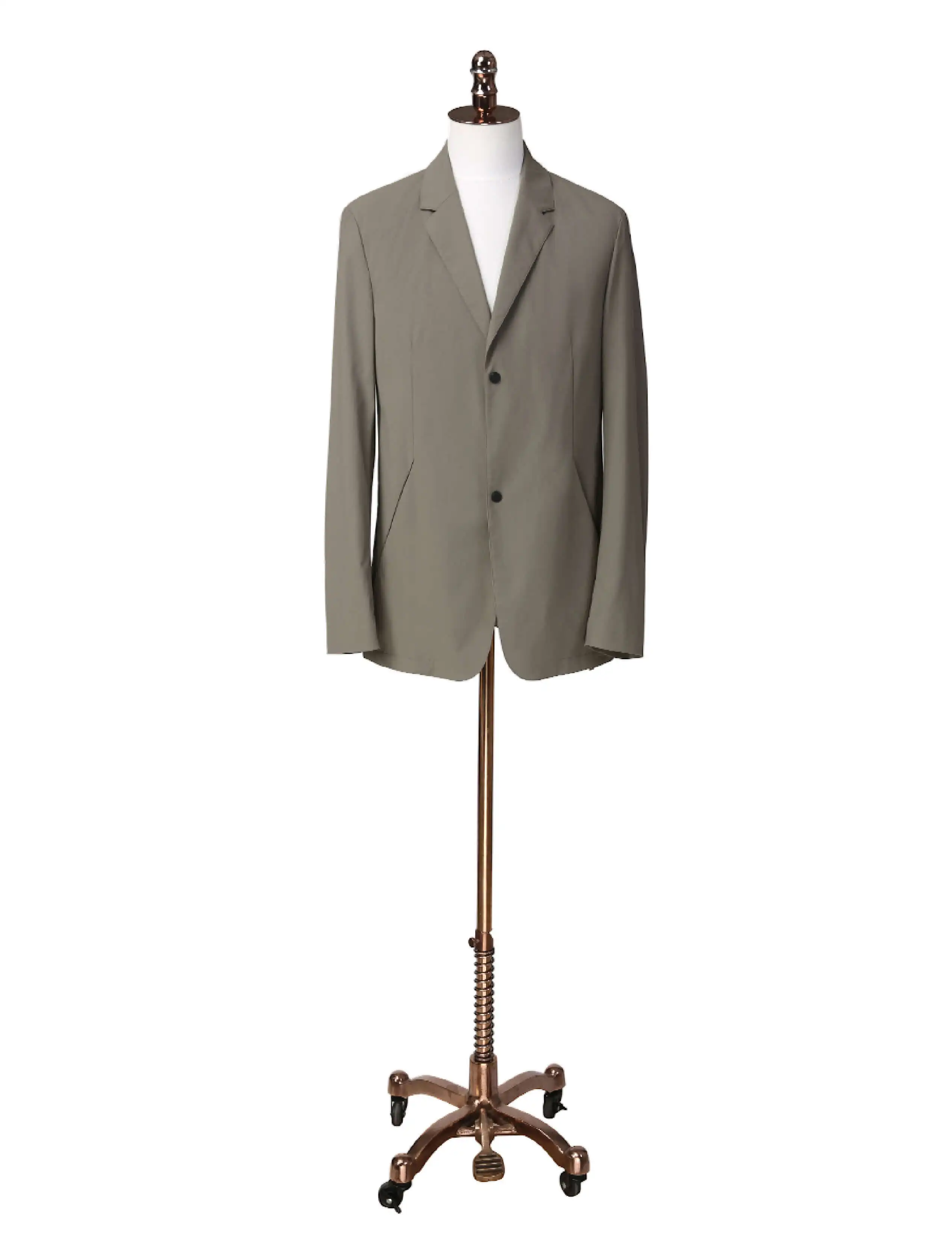
Styling Tips
Fabric and Style
Lighter fabrics like cotton, linen, or wool keep the look relaxed and comfortable for casual events. You can also go for a blazer with less padding or a more relaxed look. Soft neutral colors, light grey, beige, or navy, are perfect for a more casual vibe.
For casual events, you can skip the custom formal wear and opt for a casual button-down in lighter fabrics. An open-collar shirt or a polo also offers a laid-back yet sophisticated vibe.
Accessories
1、Pocket Square - A simple, understated pocket square
2、Watch - A minimalist watch without being flashy.
3、Belt - A leather belt that matches the tone of your shoes
4、Shoes - Loafers, Derbies, or Borgues pair well with a custom suit.
Consider the Season
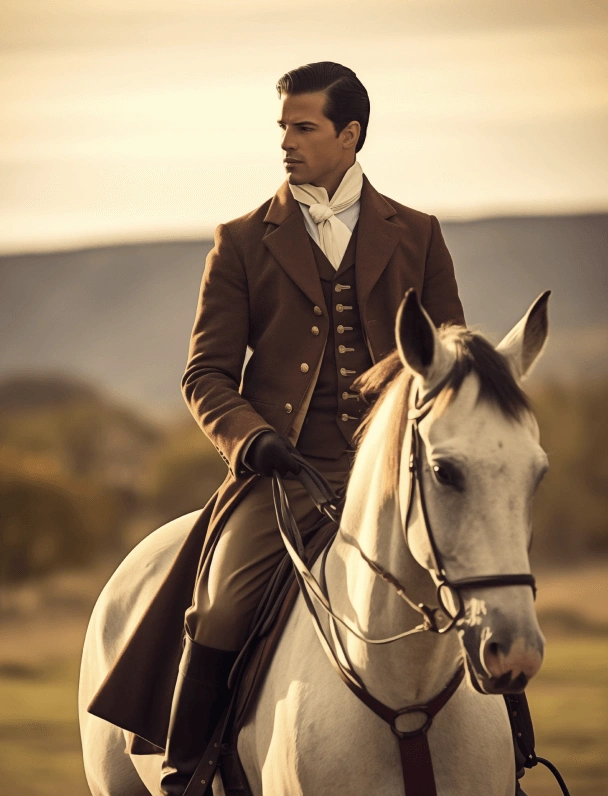
When choosing a custom suit, the season plays a crucial role in determining the appropriate fabrics, colors, and patterns. The goal is to ensure that you remain comfortable while still looking sharp and stylish.
Spring/Summer Suits
Spring/summer suits are designed to be lighter and more breathable to offer comfort and a relaxed fit.
Fabrics
Linen is lightweight and breathable, hence, it is ideal for warmer weather. Another excellent fabric for summer is cotton. Cotton suits are more structured than linen but still breathable and comfortable for hot days. Moreover, seersucker is a textured fabric that is lightweight and perfect for a casual look in summer.
Colors
In spring and summer, colors like light grey, beige, tan, and soft blues keep you cool by reflecting heat. Light shades of pink, lavender, or mint green are a bold yet seasonally appropriate choice for more casual or creative settings. Navy custom suits are versatile chocie for any weather.
Patterns
Light, understated patterns such as windowpane checks or thin pinstripes add a touch of personality without overwhelming the look. For more casual settings, small, playful patterns like gingham or plaid can add energy to your spring/summer wardrobe.
Fall/Winter Suits
Fall/winter suits provide warmth and structure, providing you comfort and keeping the appearance stylish.
Fabrics
Heavier wool fabrics like flannel or tweed are perfect for cold weather, offering warmth and structure. They also hold their shape well, making them ideal for more formal settings. Cashmere, velvet, and Corduroy custom suits also make a statement look while keeping you warm.
Colors
Colors like deep brown, forest green, burgundy, and charcoal are perfect for fall and winter, reflecting the seasonal tones and adding richness to your wardrobe. Navy and Charcoal grey are a sophisticated year-round choice for colder months.
Patterns
Bold patterns like plaid or herringbone in darker shades are common in fall/winter, providing depth and visual interest. For formal business settings, a pinstripe suit in wool is timeless and authoritative.
Choose the Best Bespoke Suit Manufacturer
The choice of a custom suit manufacturer is important for getting the right fit of the suit and ensuring that your style requirements are taken care of. A skilled manufacturer ensures high-quality fabrics, expert craftsmanship, and precise customization, creating a unique, long-lasting garment.
Kutetailor is one of the best companies that create made-to-order clothing for men and women who need versatile and stylish suits for formal and informal occasions. With their range of fabrics, you can have a stylish, tailored fit. Moreover, for business owners launching a bespoke tailoring venture, Kutetailor provides comprehensive MTM and bespoke services, making them an ideal partner for high-quality, personalized apparel.
Final Thoughts
Choosing the right custom suit for different occasions involves understanding the dress code, season, and your personal style. Ensure a perfect fit through tailoring, as comfort and confidence are key. Always opt for versatile styles that can transition between events, allowing for easy mix-and-match. Most importantly, design a custom suit that reflects your individuality and personality.
MORE 2024-10-23 -
 Custom Suits Online: How to Choose the Right Fabric for Your Style
For businesses, choosing custom suits online opens a world of options tailored to their clients’ needs. Choosing the right fabric is very important so that every suit looks great, feels great, lasts long, and goes with the occasion it is being prepared for. It is for this reason that we have elaborated on each aspect of selecting the fabric, which will walk you through the process by making your business take a prudent decision when ordering suits online.
Why Fabric Selection Matters in Custom Suits Online?
Apart from the aesthetic point of view, the choice of fabric in bespoke suits is very important, as comfort and durability depend on it; many other factors might be determinants in regard to the occasion. High-quality fabrics mean that the suit will keep its shape over time and it will look polished and professional. Fabrics like wool, linen, cotton, and blends differ in benefits: wrinkle-resistant, breathable, and so on. The business customer must be educated that choosing the right fabric helps project the desired image; it also means the comfort of the end wearer. A suitable fabric brings a suit to life, reflecting quality and sophistication representative of the business itself.
Key Fabric Types to Choose from for Custom Suits Online
When it comes to custom suits, several main fabric types are worth considering, each offering unique benefits.
Wool
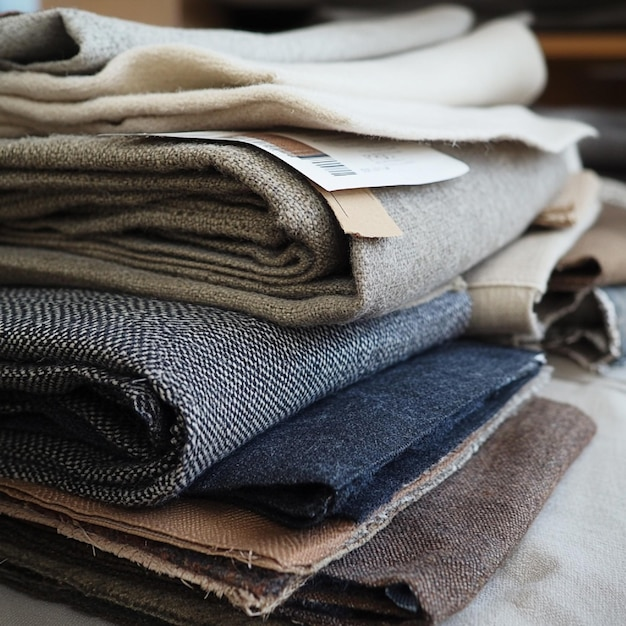
Of all fabrics, wool is one of the more popular and versatile choices for bespoke suits. It is durable, breathable, and has a natural stretch to it that enhances comfort. It is highly resistant to wrinkles and generally holds an excellent shape-a reason it is well used in custom formal wear. It is available in various weights, which enables a business to choose wool suits for wear throughout the year or during certain seasons.
Cotton
Cotton is a very breathable and comfortable fabric, besides being less formal than wool. For this reason, cotton suits are perfect to wear during the months of summer and are just ideal for business casual wear. Though not as resistant to wrinkles as wool, cotton looks clean and polished whenever it is well tailored. Cotton can be good for businesses serving clients who like a less formal yet refined manner of style.
Linen
Linen suits are light and airy, hence very well suited for hot climates or summer events. Linen suits offer great airflow and truly feel easy to wear in warm weather; however, linen has a tendency to wrinkle easier than other fabrics. This can add a casual, relaxed charm but businesses may want to keep this characteristic in mind as not all clients desire such an appearance. Linen works for casual settings, outdoor events, and business-casual environments.
Silk and Velvet
Silk and velvet are high-end options that give a truly sophisticated and different feel to a bespoke suit. A silk suit is light and airy, with a natural luster, while the fabric makes it ideal for formal occasions and evening wear. On the other hand, velvet is heavier; it gives a rich texture, best suited for cooler climates and special occasions. Companies offering a high-end, bespoke service may find silk and velvet attractive materials for clientele that want an exclusive, sumptuous look.
Choosing Fabric Weight for Custom Suits Online
Fabric weight is a significant factor in custom suits, affecting comfort, appearance, and seasonality.
Select Fabric Weight for Different Seasons
Fabric weights can also be changed to fit the seasonal needs of the customer. For instance, lightweight fabrics such as linen and cotton would be best for spring-summer, while heavy wool and velvet are fitted for autumn-winter. The apt weight ensures comfort for the wearer while retaining its shape.
How Fabric Weight Affects Suit Comfort and Drape
The weight of the fabric can determine a fabric's drape and how it hangs on the body. Generally speaking, heavier fabrics are more structured and formal, while lighter fabrics hang more loosely and are easier to wear and move around in; thus, they are better suited for more casual occasions. For instance, wool and velvet both drape very well and give a sense of refinement, which is appropriate for formal business attire, while cotton and linen offer lighter drapes, suitable for business casual.
Exploring Fabric Patterns and Textures in Custom Suits Online
Depending on the intended impression, great consideration will need to be taken with the pattern and texture, as these are two large factors that will determine what the custom suit is going to look and feel like.
Solid Colors
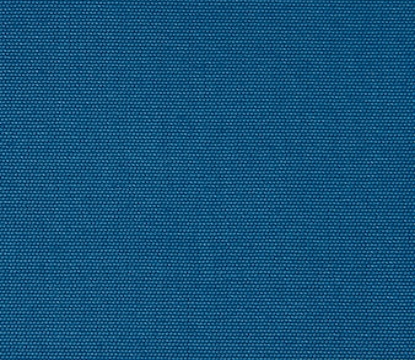
No matter the year or season, solid-colored suits always stay in, blending into any environment-from ultra-formal business meetings to semi-casual gatherings. In contrast to patterns, solid colors keep the outfit neat and smooth, so finding a match for an accessory is not that difficult. A solid black, navy, or gray-colored suit is versatile and serves as a reliable choice for most business environments.
Pinstripes and Checks
Pinstripes
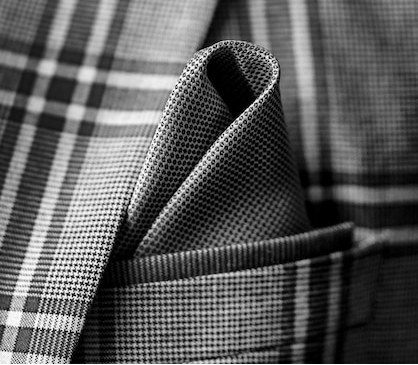
Checks
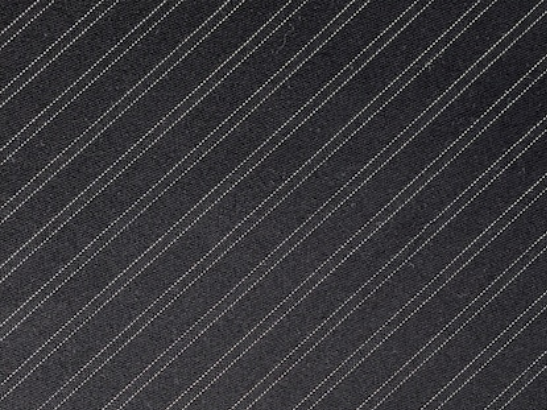
Pinstripes and checks are the gold standard for adding character to a suit. Pinstripe suits have a very professional, businesslike feel that's appropriate in the most formal settings. Checkered patterns-windowpane and plaid included in this group are a bit more casual yet still professional and could be considered for semi-business or special event type environments.
Textures like Herringbone and Houndstooth
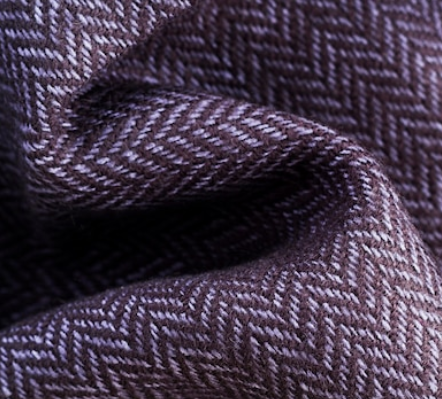
Herringbone
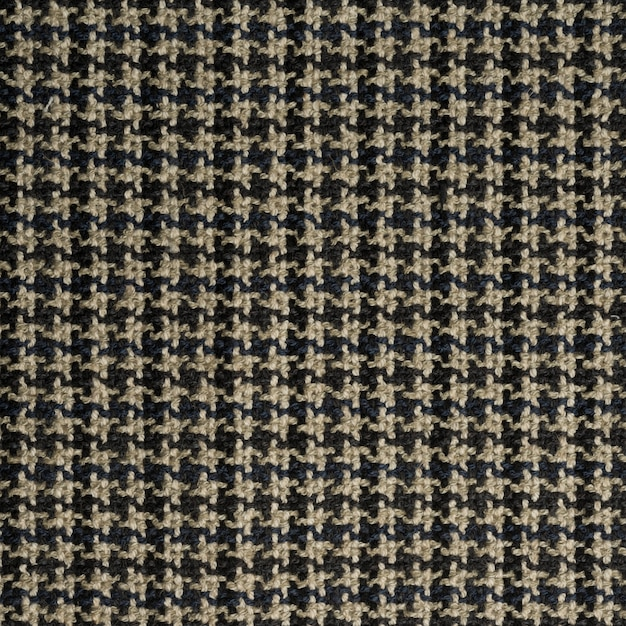
Houndstooth
Such textures as herringbone and houndstooth provide the special visual interest that can be added to custom suits. These patterns are slightly subtle and refined in appearance and, for the most part, geared to fall and winter seasons due to the thickness of the weaves. They are notably in a great deal of wool suits and excellent for that client looking to add a classical yet stylish option to their wardrobe.
Selecting Fabrics for Different Occasions and Purposes
The fabric choice can also depend on the occasion, as certain fabrics lend themselves better to specific events.
Formal vs. Casual Suit Fabric Choices
Wool and silk are good for formal events because they are fairly polished and refined. For less formal events, some latitude may be allowed. Cotton and linen work for business casual or outdoor events because of their comfort and somewhat relaxed look.
Best Fabrics for Business, Weddings, and Special Events
Because it is versatile and resists wear, wool remains the first choice for business suits. For weddings or other occasions calling for something more sumptuous, velvet or silk can create a seemingly impressive display of elegance.
Durability and Maintenance Considerations
Fabrics can vary a great deal in durability and in the amount and type of maintenance necessary. For example, wool is usually easy to care for and very durable and is, therefore, a good choice when one intends to wear the garment frequently. Cotton and linen may require cleaning and pressing oftener to look their best. Velvet and silk are more fragile and require care in handling; they are better bought for occasional wear rather than everyday business wear.
Using Online Tools to Choose Fabric for Custom Suits
Made-to-measure suits online may seem challenging, but modern tools make the experience both engaging and informative. At Kutetailor, our customization platform offers a range of digital tools to help clients make the best fabric selections.
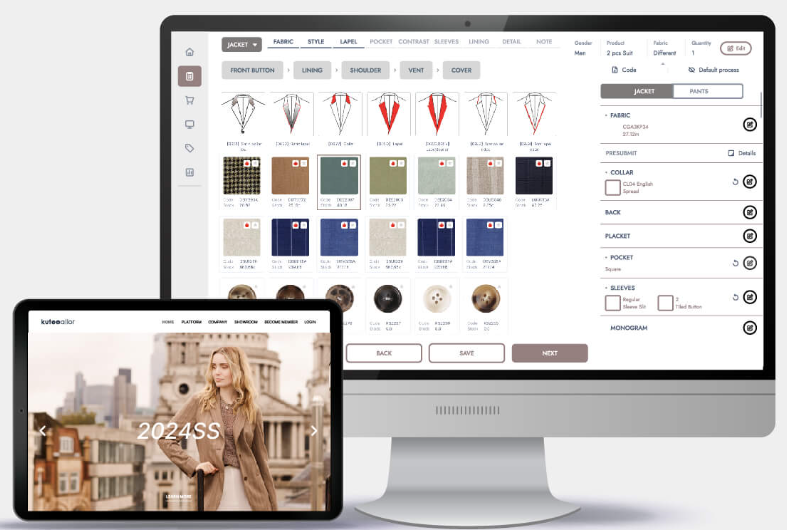
High-Resolution Images and Videos for Fabric Details
High-resolution images and videos allow clients to zoom into the fabrics in great detail for texture, color, and finish. In this way, business clients may make informed choices even without physically touching or feeling the fabric.
Virtual Swatches and 3D Visualization
These virtual swatches give one a very realistic feeling in terms of fabric choices, while the 3D visualization tool gives an idea to the client about how that fabric would look on a suit that is finished. Such features help business clients to visualize the final product and make informed decisions with much more confidence.
Color Matching and Fabric Simulation
With our color-matching tools and fabric simulation options, clients can play around with colors and patterns to ensure that the kind of fabric they choose is exactly what they have in mind. We have made choosing fabrics for tailored suits a little easier and more accurate with a variety of color choices and visual aids.
Final Tips for Choosing the Right Fabric for Custom Suits
As you make your final decision on your fabrics, consider the following:
Understanding Business Needs and Suit Purpose
First, understand the basic setting and purpose of whether executive wear, client-facing, or event-specific uniforms. Choosing a fabric appropriate for the intended usage will help ensure that the suits will meet both aesthetic and functional expectations.
Balancing Comfort, Style, and Professional Versatility
Comfort will be really important, as some team members may need to wear such suits throughout the day. Choose fabrics that do not hinder movement and reflect the type of professional style your business projects. Versatile choices, such as wool or quality blends, can adapt to a number of settings and seasonal needs, so no suit goes out of place in diverse settings.
Consult with Experts for the Informed Fabric Choices
The fabric specialists at Kutetailor can assist in the selection of materials that cater to your industry standards and the particular needs of each position. With our comprehensive array of fabrics and deep experience in bespoke tailoring, we can assure you that your bespoke suits will definitely meet quality, comfort, and branding. Please feel free to contact us and see just how much Kutetailor can make a difference in your bespoke suit experience with precision and professionalism.
MORE 2024-10-22 -
 The Ultimate Suit Fitting Guide
Are you getting a custom suit? It's the right decision to elevate your style. A fine-tailored bespoke suit provides the perfect fit to stand out in a crowd. However, if you're unfamiliar with bespoke tailoring intricacies, the custom suit may not make much difference. You must understand how a suit should fit to attain an elegant look.
This ultimate guide is the answer to all your queries. Know the bespoke process and customizable options for more effective decision-making. Select what complements your style, and understand the right cuts, fabrics, and alterations. Be confident in your choice and make a style statement.
Why Fit Matters in a Suit
A well-fitted suit enhances your appearance. Beyond style, fit ensures comfortability and professionalism. Wearing loose or too-tight suits causes discomfort. It kills confidence and makes you appear clumsy. The perfect fit in a suit gives you a well-defined and sleek look. You walk with confidence and make an impression.
People buying off-the-rack suits often deal with loose fitting. The suit doesn't belong to their body. However, a well-fitted suit aligns with your body shape. You can move in your natural style, unlike unfitted suits that affect your posture and natural movement. Bespoke suits are tailored to perfection. They adapt to your body shape and help you stand out.
Guidelines for a Well-Fitted Suit
How should a suit fit? It's not a debate, but rather strict guidelines you must follow. Whether you have a made-for-you or a ready-made suit, a good fit is crucial. A perfect suit can transform the way you look. Here are some expert guidelines for a well-fitted suit.
1. Flat Shoulders
The overall appearance of a suit depends on the shoulders. Unfit shoulders can make the jacket appear tight or loose. The shoulder length must equal the length of the shoulder bone for the perfect fit. The padding in the shoulder part should hug the body curve.
2. Precise Trouser Length
Excess length in trousers affects the suit’s charm. The trousers don’t need to drape over the shoes. Ideally, the edges should slightly brush the shoes.
3. Shirt Cuff Balance
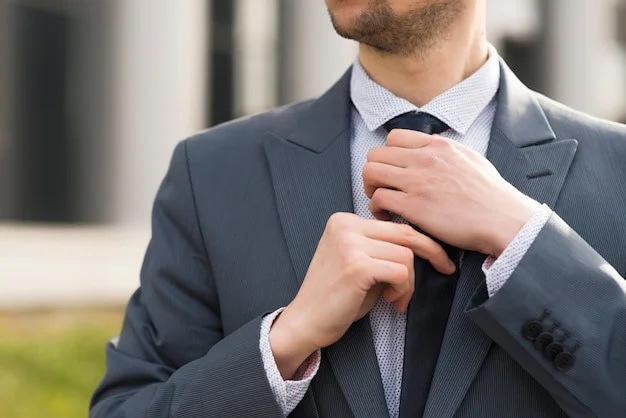
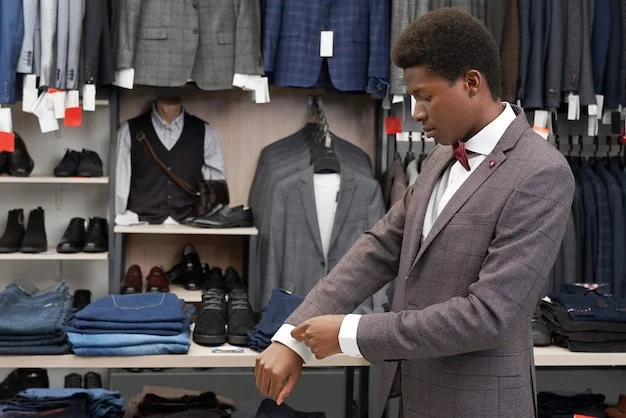
The suit sleeve length should not cover the shirt cuff. It should be right in the middle, not too short, not too long. A slight dimple above the cuffs adds to the elegance. Since everyone has different arm lengths, only bespoke tailoring can provide the ideal balance.
4. Right Collar Gap
The collar should always hug the neck. The jacket collar should wrap around the shirt collar and settle perfectly. Any visible gap shows ill-fitting. When trying out your suit, pay heed to the collar gap.
5. Good Fit in the Seat
The adequate waist length and slightly loose drape over the thighs ensure a good fit in the seat. The comfortability of the trousers depends on a good seat fitting. Unfit trousers make your movements difficult.
Signs of an Ill-Fitting Suit
Is it hard to spot an ill-fitted suit? Maybe not, because imperfect suits visibly don't feel right. Let’s discover common ill-fitting signs to understand how a suit should fit.
Shoulder Bulge
Shoulder bulge is a clear sign of an unfit suit. Even a little compression at the shoulders makes the suit appear small. What's worse? The sag in the shoulders destroys the style.
Lengthy Trousers
Your look is compromised when trousers bunch around the ankles. It may go unnoticed but when you walk or approach someone, the appearance is unremarkable.
Uneven Sleeve Length
The jacket sleeve should not hide the shirt cuff or expose it overly. The sleeve should settle in the middle of the cuff for a delicate look.
Gap in the lapel
Most people don’t realize the gap between the shirt collar and lapel. It looks awkward and feels like the jacket is unfit.
Baggy Seat
Any sag or wrinkles forming around the thighs indicate poor fitting. Baggy seats make the suit feel uncomfortable. You may look like a cartoon character from the 80s.
How Suit Alterations Can Improve Fit
Suit alterations can provide a custom fit according to your body measurements. You can elevate the style and enhance the comfortability of standard suits. A tailor master can alter every part of the suit for a refined fit. However, upgrading or reducing the size is beyond control. Some alterations can also affect the natural appeal of the suit. Here's how suit alterations improve fit:
Alter Suit Jacket
How should a suit jacket fit when it's not bespoke? Some alterations can fine-tune jacket fit. Adjustment to sleeve length and width is an essential alteration. Fixing the shoulder bulge without changing the padding or width is doable with little effort. Other alterations like changing color or lapel may distort the suit's appearance.
Alter Pants
Hemming the cuffs and length on pants are easy and effective alterations that improve fit. Changing waist measurements to about 2-3″ is also possible. The width of the trousers is adjustable and rather easy to do. Conclusively, improving fit in trousers is a doodle for tailors. But adjustments to the seat are difficult.
How a Men's Suit Should Fit?
Tailored formal wear is to make a style statement. The charm is lost when the suit doesn’t fit right. So, what details ensure the perfect fit in a men’s suit? Let’s explore:
How Should a Suit Jacket Fit?
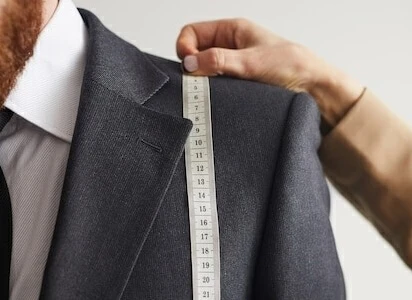
· Shoulders
Ensure the shoulders are equal to the bone length. Any bulging or drooping is a sign of ill-fitting. The shoulder pad should hug and settle smoothly.
· Chest
The chest must be comfortable and shouldn't feel any compression. A one-fist gap between the chest and jacket is the ideal fit.
· Sleeve Length
The jacket sleeve should stay in the middle of the shirt's cuffs. When your arms are at your sides, the sleeves should not cover your hands.
· Jacket Length
Jacket length should be balanced for a well-defined appearance. The seat must be covered but not extend too far.
How Should the Trousers Fit?
· Waist
The right approach to check waist fit is wearing pants without a belt. The waistband must not sag or pinch for a fine look.
· Length
The hem of your trousers should lightly touch the tops of your shoes. There can be variation in length because of flexible styles.
· Leg cut styles
Leg cut styles depend on your choice. Whether you go for a slim fit or a regular fit, it's your decision to make.
How a Women's Suit Should Fit?
Fitting in a women's suit can be different from the men's. A well-fitted suit makes for a striking fashion statement. Here's how to ensure fit in custom women's clothing:
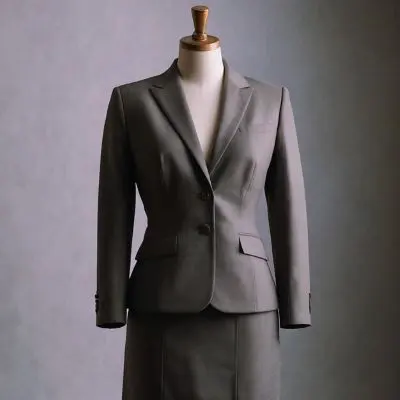
How a Jacket Should Fit
· Shoulders
The seam must align with the end of your shoulders. It provides a unique feminine silhouette and avoids boxiness.
· Waist
A cropped appearance is favorable for the jacket's waist. It should hug your waist without being too tight, allowing for comfortable movement.
· Sleeve length
The perfect sleeve length rests at the wrists and slightly above the shirt's cuff. However, avoid loose sleeves, a slightly tapered sleeve gives a modern, streamlined effect.
· Jacket length
The jacket should not necessarily cover the seat and appear boxy. Instead, it may end below the glutes for a trimmed style.
How the Trousers/Skirt Should Fit?
· Waist
Trousers or skirts should fit comfortably at the waist without sagging or pinching. You should be able to walk and move freely.
· Length
Your shoe type affects trouser hem length. For heels, hems should fall halfway down the heel; for flats, they should rest on top of your foot with a slight break in front.
· Fit styles
Choose a fit according to your body type. The fit should allow for natural movement while accentuating your shape.
Tips for Getting the Perfect Fit
We took aboard renowned couturiers to share the secrets of the perfect fit. The fitting in the suit is a work of art. Planning to get a suit? Here’s the recipe for perfect fitting.
1. Find a skilled tailor who can create a masterpiece for you.
2. Suit measurements must be precise and tailored to your body dimensions.
3. Match the suit style with your body type for the perfect fit.
4. Always test and prioritize comfortability, a comfortable suit enhances elegance.
5. Check fit; sleeves, shoulders, waist, and trouser length must be perfect.
Cooperate with the Best Custom Suit Supplier
Kutetailor is a leading custom clothier known for high-quality fabrics and hi-tech tailoring. Precision and perfection are the trademarks of Kutetailor men's and women's suits. Don't worry about how should a suit fit, get the perfect fit from Kutetailor. It provides a platform for made to measure suits online. The process is seamless and effortless!
Kutetailor offers bespoke tailoring, custom suits, and ready-to-wear options. In addition to the body measurements above, Kutetailor also offers multiple ordering options for sizing, including ready-to-wear sizes, net body sizes, and custom sizes for exclusive clients. It offers order tracking, store management, customer management, and a client portal for operational efficiency. Elevate your MTM business with Kutetailor!
FAQ
How do I know my suit size as a woman?
Measure your bust, waist, hips, shoulders, and sleeve length. Precise measurements ensure that the suit fits you well.
How to tell if a suit fits properly?
Check the shoulders and sleeve length to see if the suit fits properly. Any bulge or compression in the shoulders means the suit is ill-fitted. Similarly, sleeve length exceeding wrist means ill-fitting.
What are the benefits of custom suit fitting?
Custom suits are tailored to perfection according to your body measurements. They are fine quality and adapt to your body shape for comfortability.
MORE 2024-09-29